
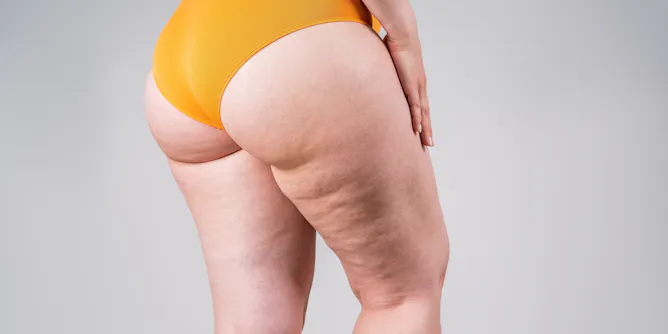
90% of women have cellulite. It’s not a condition that needs treatment or a flaw that should be corrected.
Articles on Supplements
Displaying 41 - 60 of 98 articles
Hint: the most common type actually works.
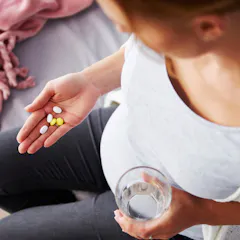
Apart from folic acid and iodine, other supplements may not be needed. For the most part, they’re a waste of money. At worse, they could harm.

Sleep habits can be improved by making shifts in both daytime and evening routines.

The benefits of consuming olive oil have been known for years – but the evidence about using it for skincare is fairly mixed.
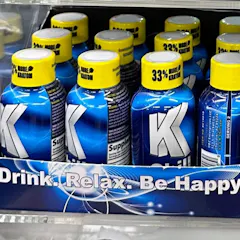
Long-term use of kratom may actually reduce pain tolerance and cause physical dependence and withdrawal symptoms.

Most people don’t know what these labels really mean − and advertisers take advantage of that fact.
There are no vitamin patches listed on the Australian Register of Therapeutic Goods and there’s not enough evidence to show they work better than tablets.
Dietary supplements claim to be able to ‘boost your immune system’ to combat disease. But attaining immune balance through a healthy lifestyle and vaccination is a safer bet to keep in good health.

Here’s when low vitamin D is a potential concern and when you might need to get your levels tested.

Liposomes have been used to enhance the effectiveness of medicines for decades – but it doesn’t necessarily mean they will work in food supplements too.
If you try supplements, you still need to eat a healthy diet, exercise, reduce your stress, quit smoking and get enough sleep. Even then, they may still not be enough.
Ketone drinks are all the rage among elite athletes, but can they help older adults age better?

The most popular supplements for hot flushes are phytoestrogens (or plant estrogens). This trend has been partly driven by companies that promote them as a safer alternative to hormone therapy.
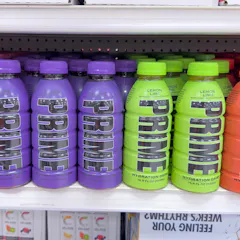
Prime has two offerings: one is marketed as a ‘hydration’ drink, the other as an ‘energy’ drink. But what’s actually in them?

There’s a common perception that supplements are harmless. But they can be dangerous at incorrect dosages.
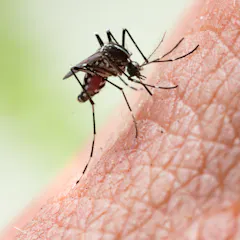
A medical myth persists that the B vitamin thiamine is a systemic insect repellent that wards off mosquitoes when taken orally. But scientists have disproven this mistaken belief again and again.

A major review found specific supplements or food components were unlikely to lead to significant improvements in stiffness, pain and function.

Could a new probiotic supplement really cure your hangover?
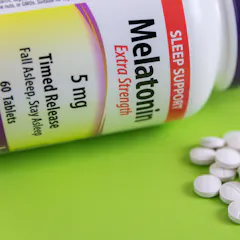
Melatonin can be useful as a sleep aid, but should be prescribed by a physician after a careful analysis of the causes of sleep loss.
Top contributors
-

Laureate Professor in Nutrition and Dietetics, University of Newcastle
-
Professor of Pharmaceutical Chemistry, Macquarie University
-
Program Director of Nutrition and Food Sciences, Accredited Practising Dietitian, Adelaide University
-
Associate Professor in Pharmacy Practice, Kingston University
-
Associate Professor of Medical Education, University of Nottingham; University of Lincoln
-
Professor, Kinesiology, Tier 1 Canada Research Chair in Skeletal Muscle Health, McMaster University
-
Professor of Genetic Epidemiology, King's College London
-
Professor of Nutritional Physiology, Anglia Ruskin University
-
Vice Chancellors Senior Research Fellow in Immunology, RMIT University
-
Senior Lecturer in Cancer Biology & Clinical Biochemistry, Kingston University
-
Professor of Nutritional and Genetic Epidemiology, Adelaide University
-
Distinguished Professor of Pharmacy Practice, University of Connecticut
-
Distinguished Professor, Professor of Immunology, RMIT University
-
Associate Professor in Biology and Biomedical Science, Aston University
-
Pharmacist and Lecturer, UNSW ; University of Sydney