
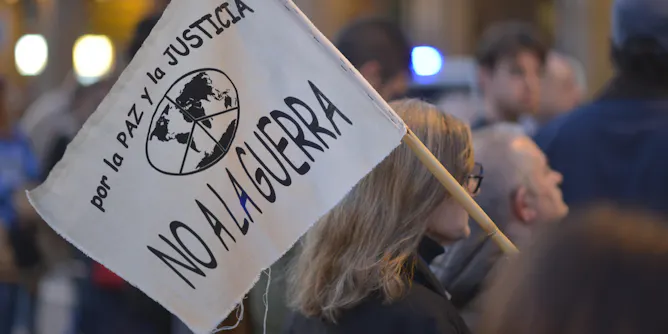
Spain’s anti-war stance dates back to the 2003 Iraq war. Recent local election results show it may be resonating with voters.
Articles on Diplomacy
Displaying 41 - 60 of 541 articles

The war that began Feb. 28 hews to a familiar, dangerous pattern, writes an Iran expert, from deep, historical mistrust and incompatible strategic interests to miscommunication and misperception.

A longtime diplomat explains how the State Department normally encourages and helps Americans to leave countries amid political instability and war – which didn’t happen over the last week.
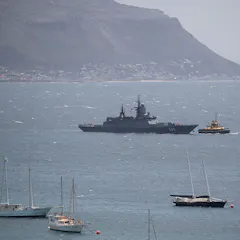
The presence of a warship can be the most tangible and visible sign of bilateral and multilateral friendships.
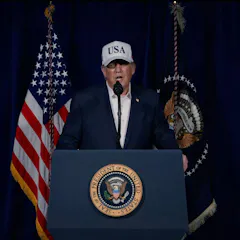
It appeared that diplomacy was working, but the strikes by the US and Israel now risk destroying any chance of a peaceful resolution of this crisis.
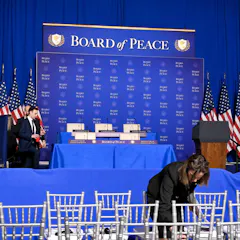
Donald Trump’s approach to peacemaking is deeply flawed.
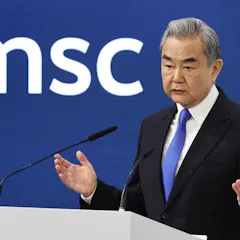
Anti-Japanese sentiment aside, China’s diplomatic strategy has moved past ‘wolf warrior’ diplomacy.
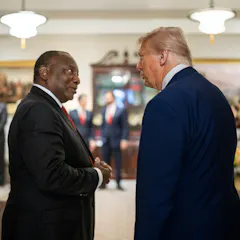
South Africa’s preference for dialogue has become harder to sustain in a polarised world.
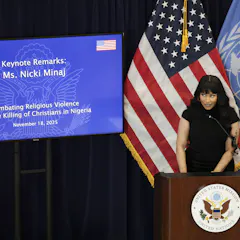
Airstrikes may disrupt militants, but Nigeria’s insecurity is rooted in a governance collapse that military force alone cannot fix.
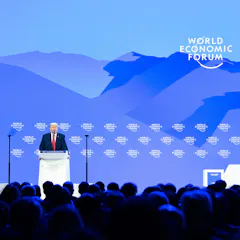
European publics and more government leaders are questioning the value of the alliance with the United States under Trump. But a different path remains elusive.
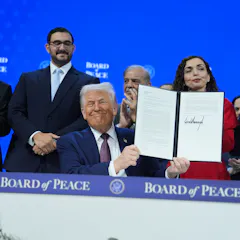
The US may be stepping back from some engagements on the world stage. That’s not necessarily bad news for the rest of the world, an analyst argues.
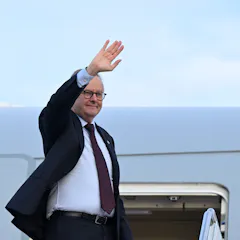
Despite a complicated history between Australia and Timor-Leste, there appears to be plenty of goodwill as Anthony Albanese visits the new democratic nation.
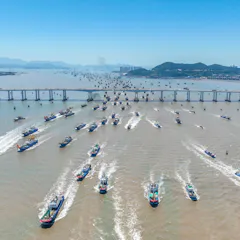
The expansion of Arctic shipping, scramble for seafloor mining and overfishing are all straining international relationships. But the powers of diplomacy go beyond ocean treaties.

With an average temperature of -50°C, Antarctica’s first-ever 100% natural sanctuary protects endangered ice cores from global warming.

So far the response across the continent to both the Greenland threats and the US’ actions in Venezuela, have been feeble and confused.

Our policy brief reveals that symbolic violence persists through formal and informal practices within institutions despite the growing number of women in diplomacy.
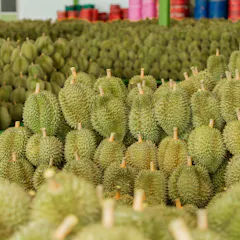
China’s growing appetite for durian is giving this famously divisive fruit political power.
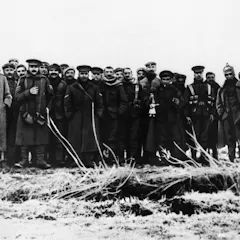
World leaders like to talk up peace at Christmastime. But alongside the tales of seasonal breaks in fighting are incidents of adversaries taking advantage of the season.
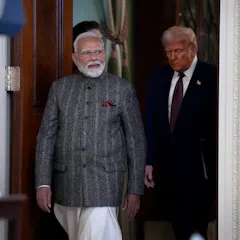
A summit between the leaders of the US, India, Japan and Australia was expected in November. But it never happened.

The men and women tasked with implementing policy are governed by the same incentives and constraints − whether in Beijing or Washington.
Top contributors
-

Professor of Political Science, Macalester College
-
Honorary Fellow, Asia Institute, The University of Melbourne
-
Professorial Fellow, University of Canberra
-
Professor of International Relations Department of Political Science and International Studies, University of Birmingham; BASIC
-
Professor of History and International Affairs, University of North Carolina at Chapel Hill
-
Fellow for the Middle East at the Baker Institute, Rice University
-
Professor of International Security, University of Birmingham
-
Associate Professor of History and Asian Studies, University of Maryland, Baltimore County
-
Lecturer in Middle East Studies, Deakin University
-
Honorary Professor of International Relations, University of the Witwatersrand
-
Senior Lecturer, School of Social Sciences, UNSW
-
Head of the Department of Politics and International Relations, Monash University
-
Professor, Griffith Law School, Griffith University
-
Outgoing Interim Director of the Frederick S. Pardee Center for the Study of the Longer-Range Future, Boston University
-
Professor of International and Diplomacy Studies, Thabo Mbeki African School of Public and International Affairs, University of South Africa