

A culture of solving political differences with conflict has led to persistent disagreements about the Ethiopian state.
Articles on Peace and Security
Displaying 1 - 20 of 1619 articles
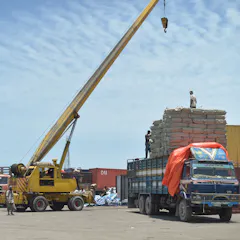
Somalia’s status quo profits the elite while bringing questionable benefits to the majority of the public.

For some people caught in conflict zones, remaining is the choice they feel they can live with.
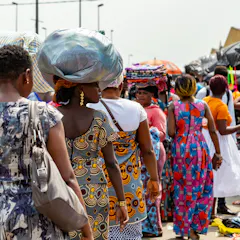
The power dynamics of labour migration to the Middle East are complex.

Gender-based violence responses must include energy access as a structural intervention, not an add-on.
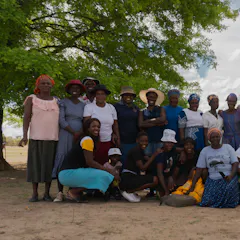
New research shows how women in rural Zimbabwe rebuilt their lives after Cyclone Dineo displaced hundreds of families and swept away their homes.
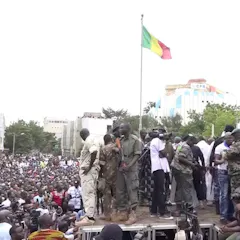
What do Mali’s military rulers and Burundi’s governing party have in common?
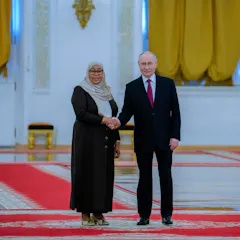
The Tanzanian case shows that foreign policy can also be a way of managing domestic coalitions.
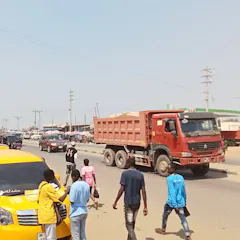
In South Sudan, war and peace are two settings of one extractive system rather than true opposites.

The Oromo place great emphasis on relationships, mutual care and responsibility towards others.
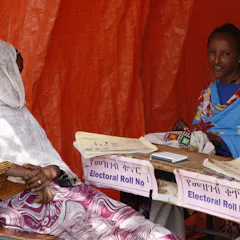
The upcoming elections are arguably among the least politically competitive Ethiopia has experienced since the introduction of multiparty elections in the 1990s.
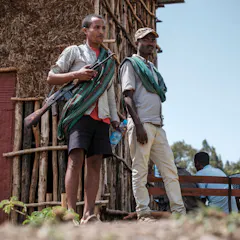
There is a risk of the upcoming election deepening existing regional and political fault lines instead of bridging them.
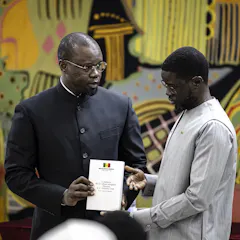
The idea of a ‘gentlemen’s agreement’ is a myth that best serves idealists.
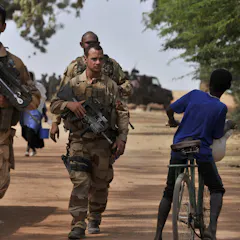
After more than a decade, external security intervention has left the Sahel region more fragmented, militarised and violent.
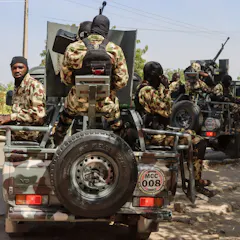
Located in the same Sahel region and threatened by similar jihadist insurgents, Nigeria has some lessons to learn from Mali.
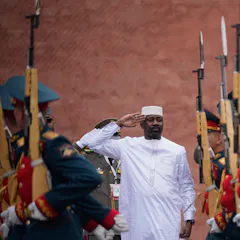
Military regimes have shifted from presenting themselves as temporary ‘corrective’ interventions to becoming personalised systems of rule.
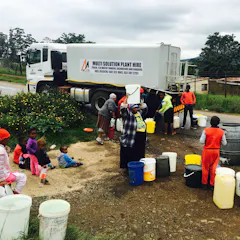
Water tankers are meant for emergencies but are fast becoming the norm for many communities.
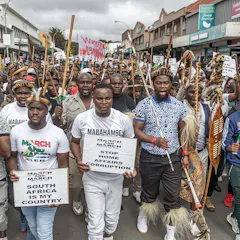
Data show that South Africans have become more hostile towards immigrants.

Economic conditions for ordinary Mozambicans are deteriorating. Poverty has risen, public services are unreliable and there are few decent job opportunities.
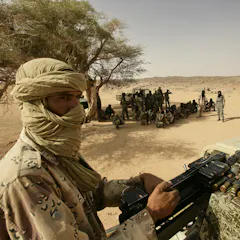
Mali’s security situation requires resolution of Tuareg grievances, restoration of trust in the state, and political inclusion.
Top contributors
-

Assistant Professor, School of Politics and International Relations, University College Dublin, University College Dublin
-
Senior Lecturer in Human Rights, Constitutional Law and Legal Theory, University of Wollongong
-
Extraordinary Professor, Department of Political Sciences, University of Pretoria
-
Associate professor in Politics and International Relations, Leeds Beckett University
-
Professor of Political Science, Department of Political Studies and Governance, University of the Free State
-
Honorary Professor of International Relations, University of the Witwatersrand
-
Professor of Democracy, University of Birmingham
-
Professor of Sociology, University of the Witwatersrand
-
Associate Professor of International Studies, University of Nottingham
-
Associate Professor International Law, Roskilde University
-
Associate Professor, Khalifa University
-
Professor, Weber State University
-
Professor of Sociology in the Department of Sociology and Social Anthropology., Stellenbosch University
-
Criminologist / Senior Lecturer, Stellenbosch University
-
Adjunct Associate Professor, Departnent of Social Sciences, Pwani University