
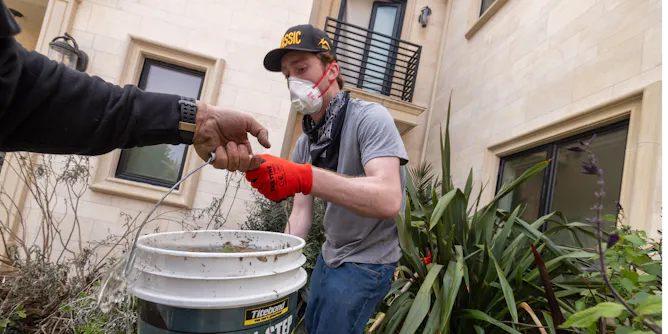
In emergencies, when every minute counts, research shows family, friends and neighbors are often saving lives. These local efforts go uncounted, yet they’re crucial.
Articles on Disaster response
Displaying 21 - 40 of 93 articles
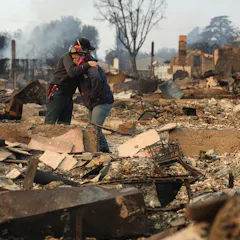
A scholar who researches how rents increase after disasters is fearful for his own community as he watches it burn and braces for the aftermath.

Former U.S. President Jimmy Carter passed away at the age of 100. He was experienced in nuclear emergency response, and responsible for the formation of FEMA.

Disaster recovery isn’t just about repairing bridges, roads and homes. Conservationists from the Smithsonian were on the ground in North Carolina helping families piece their lives back together.
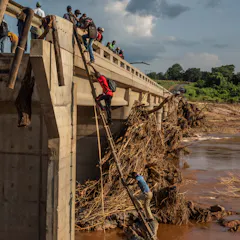
Getting aid to countries before the storm or drought hits is one response increasingly being used to limit the damage.
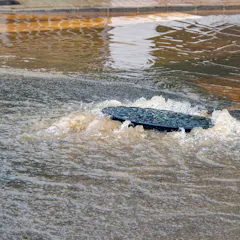
Floods destroy health, transport, water and energy infrastructure, with dire consequences for vulnerable people.
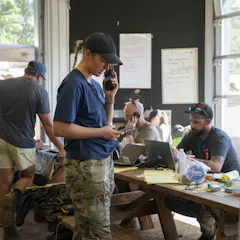
They aren’t just operating boats and helicopters. Others serve as dispatchers, handle logistics, and run social media operations.
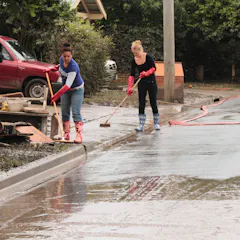
The recommendations of the senate inquiry into Australia’s disaster resilience mainly focus on volunteers involved in the immediate disaster response. This will not make Australians more resilient.

Despite improvements in disaster response management since the Abbotsford floods of 2021, long-term animal welfare remains woefully underappreciated in B.C.

One way to prevent the destruction wrought by a devastating earthquake – like the one that hit Morocco in September 2023 – is to construct resilient homes and buildings.

The combination of data and maps is useful for a lot more than just helping you get from point A to point B. Think natural disasters, global supply chains and climate change.
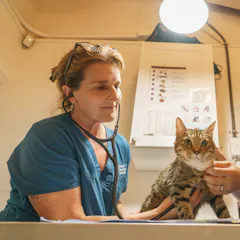
Animal shelters and other organizations that support pets and their owners after disasters will still need help months after the media has moved on.
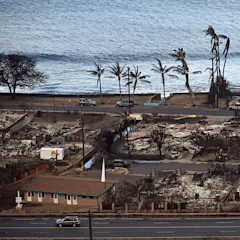
Wildfires on Maui are a crippling blow to the island’s tourism industry, which generates half of its jobs. But New Orleans and Kauai show that comebacks are possible.
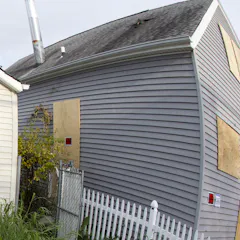
FEMA runs the largest managed retreat program in the country, Two disaster response experts looked at the demographics of who gets those buyouts and where they go.
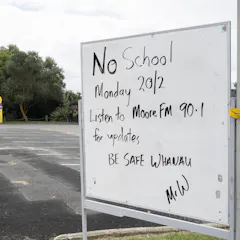
Too many New Zealanders were cut off without phone or internet access after Cyclone Gabrielle hit. Here are some of the back-up options we need before the next disaster strikes.
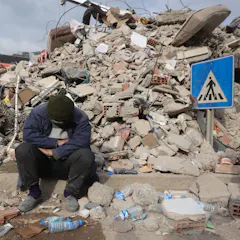
A cholera outbreak, a harsh winter, ten years of civil war and obstruction from the Syrian government are some of the difficulties faced by aid agencies.
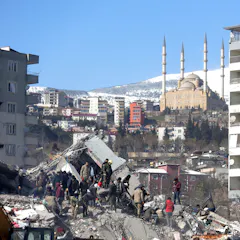
Rescuers are at risk from aftershocks and collapsing buildings, but scientists are working on systems that will minimise ths danger.

A university professor who researches emergency management suddenly found himself in the middle of one of Canada’s worst mass shootings.

If Twitter were to go dark, with it would go a valuable source of data as well as a means of sharing information relied on by activists, journalists, public health officials and scientists.
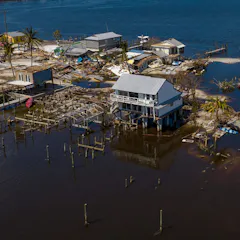
Artificial intelligence can spot differences in images from before and after a storm over wide areas in almost real time. It showed Hurricane Ian’s vast damage in Florida.
Top contributors
-

Associate Professor of Disaster and Emergency Management, York University, Canada
-
Senior Lecturer, School of Global, Urban and Social Studies, RMIT University
-
Professor of Sociology and Director, Disaster Research Center, University of Delaware
-
Director, Disaster Research Center and Professor, Public Policy & Administration, University of Delaware
-
Postdoctoral Research Associate, University of Sydney
-
Associate Professor, Head of School of Project Management, University of Sydney
-
Associate professor, Kean University
-
Professor Emeritus of Risk Management and Insurance, Georgia State University
-
Assistant Professor of Sociology, University of Houston
-
Associate Professor of Landscape Architecture and Urban Planning, Texas A&M University
-
Professor of Emergency Medicine, The Ohio State University
-
Senior Lecturer in Human Geography, Royal Holloway, University of London
-
Professor of Pyrogeography and Fire Science, University of Tasmania
-
PhD Candidate in Geography and Demography, Penn State
-
Associate Professor of Emergency Medicine, The Ohio State University