
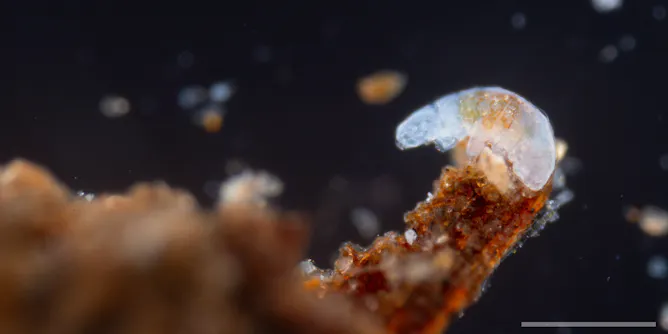
Tardigrades make a unique damage suppressor protein that researchers are working to harness for medicine, space, agriculture, data storage and more.
Articles on DNA damage
Displaying all articles
Researchers discovered a previously unknown function of RNA, potentially opening the door to new ways to treat cancer and neurodegenerative diseases.

Sun exposure can cause mutations that promote skin cancer. Getting them early in life means they have more time to overwhelm the body’s protective mechanisms.
Aging is a culmination of factors spanning from your cells to your environment. A number of interconnected processes determine how quickly your body is able to repair and recover from damage.
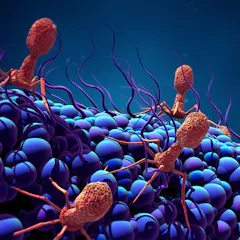
Phages, or viruses that infect bacteria, can lie dormant within chromosomes until they’re triggered to replicate and burst out of their hosts.
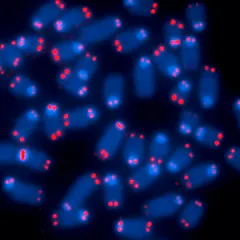
The protective caps at the ends of chromosomes naturally shorten over time. Researchers found that direct damage can prematurely trigger senescence and contribute to age-related diseases like cancer.

Circadian clocks regulate the timing of hundreds of processes in the cell, suggesting that matching medications with your biological clock could improve the outcome

Converting a DNA sequence into an audio could help us learn something useful about it, like where mutations occur.
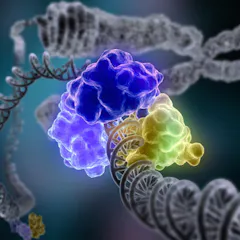
Cells must repair the thousands of bits of DNA damage they incur every day. These cellular mechanisms fend off cancerous tumors, and cancer researchers are working to harness their power.
Top contributors
-

Assistant Professor of Pharmacology and Medicine, Boston University
-
Senior Lecturer in Molecular Biology, Western Sydney University
-
Postdoctoral Researcher in Biochemistry and Biophysics, University of North Carolina at Chapel Hill
-
Professor of Biochemistry and Biophysics , University of North Carolina at Chapel Hill
-
Professor of Biological Sciences, University of Maryland, Baltimore County
-
Assistant Professor in Molecular, Cellular, and Developmental Biology, University of Michigan
-
Postdoctoral Researcher in Environmental and Occupational Health, University of Pittsburgh
-
Professor of Environmental and Occupational Health, University of Pittsburgh
-
Dermatologist and lecturer, Stellenbosch University
-
Professor of Biological Sciences, Georgia Institute of Technology
-
Graduate Research Assistant, University of Iowa