

From COVID-19 vaccines to Moderna’s mRNA flu vaccine, using mRNA as medicine has shown promise. But before mRNA drugs can go beyond vaccines, researchers need to identify the right diseases to treat.
Articles on Drug development
Displaying 1 - 20 of 121 articles
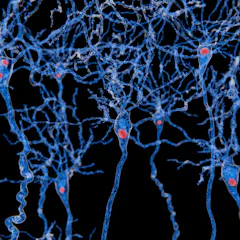
Researchers are finding ways to target the toxic proteins involved in neurodegenerative diseases such as Parkinson’s and Alzheimer’s that were once considered ‘undruggable.’
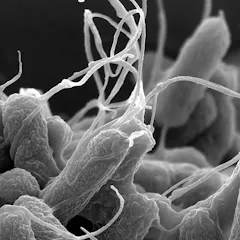
Scientists are using AI and physics-based simulations together to design new peptides that will kill previously drug-resistant bacteria.

Ozempic-style drugs have been flagged as possible treatments for cancer, dementia, endo, addiction and more. An expert explains what the evidence really says.

A nasal spray vaccine that puts your immune system on permanent high alert – and could one day protect against flu, COVID and future pandemics.

Recent progress in understanding drug safety during pregnancy is at risk due to cuts to medical research funding.
Since 1971, the US has led the world in funding cancer research and developing new treatments that have driven down death rates. This may soon no longer be the case.
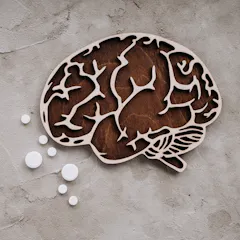
Rather than seeking a single cure — a magic bullet — for Alzheimer’s disease, a shotgun blast of different drugs with different targets may be a better approach to this very complex condition.

Master switches of cell communication, G protein-coupled receptor kinases are the target of many drugs across a range of diseases.

The gene that codes for p53 is the most frequently mutated in cancer. Researchers are targeting different parts of its complex pathway to restore its ability to stop cancer.

Researchers have applied AI to every step of the drug development process. But this might not be enough to design safe and effective drugs.
Since the 1980s very few antibiotics have been approved. One of the reasons is that there is not enough investment in the sector.
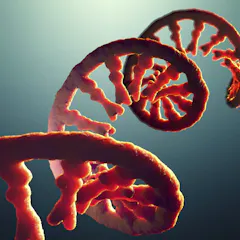
Victor Ambros and Gary Ruvkun won the 2024 Nobel Prize in physiology or medicine for their discovery of microRNAs, molecules that turn genes on and off – and cause disease when they go awry.
A new antibiotic attacks bacteria on two fronts, making it difficult for them to evolve resistance.
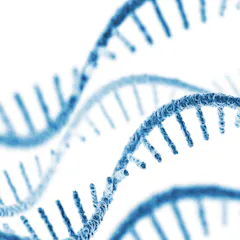
The COVID-19 pandemic demonstrated the promise of using mRNA as medicine. But before mRNA drugs can go beyond vaccines, researchers need to identify the right diseases to treat.

Drug development takes a great deal of time, money and effort. While future profits play a big factor in which diseases gets prioritized, advocacy and research incentives can also tilt the scale.

One in seven Canadian veterans is living with PTSD. Developing a psychedelics research program for veterans should be a public health priority.
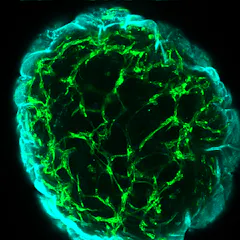
Organoids — clusters of specialized cells designed to mimic organs — enable researchers to study biological processes and the effects of drugs.
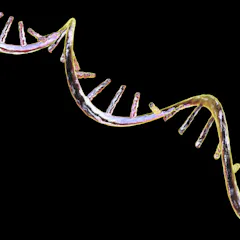
When just one of the thousands of microRNAs in people go awry, it can cause diseases ranging from heart disease to cancer.

As well as the important ethical reasons for minimising animal use in research, the reality is sometimes animals just aren’t that good at predicting human responses.
Top contributors
-

Prof. Institute for Molecular Bioscience, The University of Queensland
-
Associate Dean for Research, Charles Walgreen Jr. Professor of Pharmacy and Pharmaceutical Sciences, University of Michigan
-
Associate Professor of Biostatistics, Murdoch Children's Research Institute
-
Associate professor, Department of Family and Community Medicine, University of Toronto; York University, Canada; University of Sydney
-
Professor of Pharmaceutical Sciences, University of Colorado Anschutz
-
Associate Professor of Biological Sciences, Purdue University
-
Assistant Professor of Biochemistry and Molecular Genetics, University of Colorado Anschutz
-
Biostatistician, The University of Melbourne
-
Professor, UNSW
-
Professor of Neuroscience, Lancaster University
-
Senior Lecturer Biostatistics and Data Management, The University of Queensland
-
Director of Natural Product Discovery Core; Assistant Professor of Medicinal Chemistry, University of Michigan
-
Associate Professor of History, University of Wollongong
-
Dean of the College of Science, Professor of Biochemistry, Rochester Institute of Technology
-
Assistant Professor of Biomedical Sciences, UMass Chan Medical School