

Defense Secretary Pete Hegseth is requiring service members to screen for low testosterone levels. Ironically, the military lifestyle itself is more likely to lower T levels.
Articles on Endocrinology
Displaying 1 - 20 of 23 articles

Testosterone testing for soldiers sounds simple, but a low result rarely tells you why – or what to do about it.
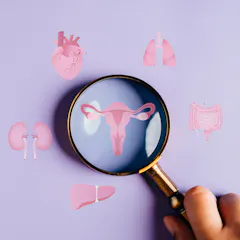
Polycystic ovary syndrome is an inaccurate name for a condition that affects millions of people worldwide. Its new name can help address missed diagnoses and fragmented care.

PMOS is not primarily a disease of the ovaries. Its new name reflects the condition’s more complex and cyclical endocrine and metabolic features.

Muscle is an endocrine organ. When it contracts during exercise, it communicates with your entire body.

Cortisol spikes are not something you need to fear. In fact, cortisol rhythms – which involve some ups and some downs – are essential to staying well.
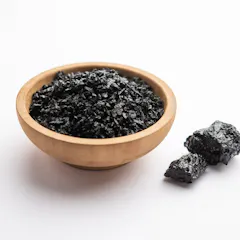
Shilajit has been used for thousands of years in Ayurvedic medicine, but are modern proponents right to claim that it raises testosterone levels?

For more than 80 years, men have been told that testosterone fuels prostate cancer. But a more nuanced picture has emerged over the past two decades.

Chemical castration may prevent future offences. But at what cost?
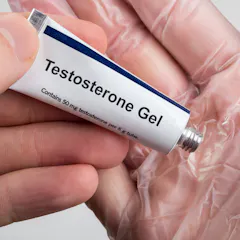
A baby girl developed unusually large genitals after accidental exposure to testosterone gel.

The insulin discovery we forgot.

Type 1 diabetes develops when the body destroys its own insulin-producing cells. Using stem cells to replace them could be a way to get around donor shortages and transplant complications.
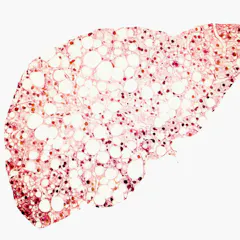
Though a leading cause of liver transplants and an increasing number of young people being diagnosed with the disease, few people have heard of MASLD.
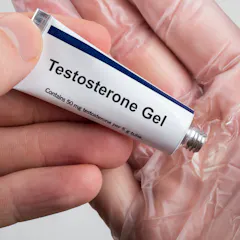
Testosterone in men declines at a rate of around 1% a year from age 30. That doesn’t mean that men go through the ‘manopause’.

Fat cells and cancer cells talk to each other. Specialists in both systems can do the same.

Tylenol has long been considered a go-to medication for low to moderate pain and for fever reduction, even during pregnancy. But mounting evidence suggests that it is unsafe for fetal development.

Scientists issued an urgent call for better federal regulation of these endocrine-disrupting chemicals. Here’s what you can do to reduce your family’s risk.
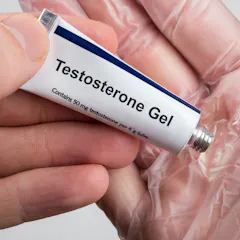
So-called normal levels of testosterone are approximations, but can help researchers investigate disease and treatments.

Research shows thyroid hormone, which is required for brain development in all vertebrates, is severely affected by chemicals present in our everyday cleaning products, clothing and cookware.

A recent study found that a woman’s blood pressure before pregnancy can help predict her child’s gender. And it’s not the only indicator.
Top contributors
-

Senior Lecturer in Biochemistry, Sheffield Hallam University
-
Reader in Endocrinology, Institute of Metabolism and Systems Research, University of Birmingham
-
Professor of Physiology, University of California, Los Angeles
-
Professor of Environmental Science and Engineering, Shanghai University
-
Ph.D. Candidate in Environmental and Chemical Engineering, Shanghai University
-
Postdoctoral Researcher, University of Pennsylvania
-
Associate Professor of Medicine, UMass Chan Medical School
-
Senior Lecturer in Exercise Physiology, Loughborough University
-
Senior Lecturer in Psychology, Loughborough University
-
Professor of Medicine and Pharmacology, Boston University
-
Professor of Biological Psychology, Loughborough University
-
Assistant Professor of Psychology, University of Richmond
-
Postdoctoral Fellow in Epidemiology, UMass Lowell
-
Assistant Professor, Emory University
-
Research Scientist in Endocrinology and Metabolism, University of Pittsburgh