
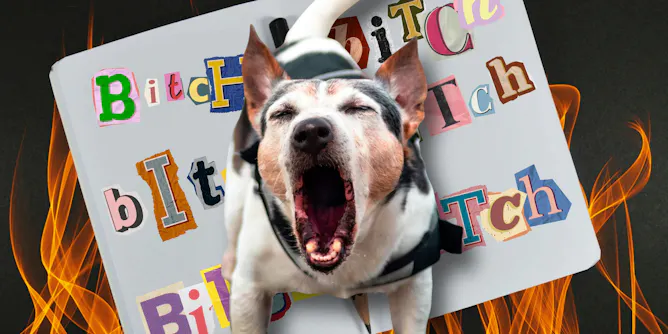
Bitch is a slur – and a powerful symbol – that continues to divide us. Unfortunately, it’s unlikely to ever be fully reclaimed. Here’s why.
Articles on Etymology
Displaying 1 - 20 of 24 articles

The meaning of ‘happiness’ was in flux in Shakespeare’s England, and his plays capture many senses of the word.

‘Lore’ was shortlisted for the Oxford word of the year.
‘Skibidee’ is no odder than ‘confess the corn’.
Expressions can tell us a lot about the ways our language has developed over centuries.

It’s too reductive to simply smear scabs as sellouts. It’s important to understand why some workers might be motivated to weather scorn, rejection and even violence from their peers.
Ever wondered where everyday things got their names? Or where words come from? Language is a powerful thing, creating new words all the time.

An expert on rhetoric explains why ‘rizz’ may be more like charm than charisma.

The road to becoming a champion speller is made easier with support from family and friends, but ultimately it depends on an individual student’s commitment to learning, a scholar writes.
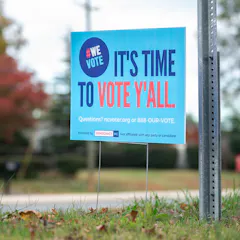
The use of ‘y'all’ has often been seen as vulgar, low-class and uncultured. That’s starting to change.
He is certainly important to English but he isn’t responsible for as much of it as you might think.

There’s a long history of communities speaking Romany in the UK, so it’s hardly surprising that some of its words have found their way into everyday English.
An American university has banned the expression ‘no worries’. Here are some other words and phrases that confuse speakers of different versions of English.
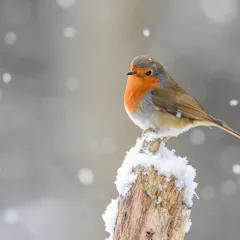
The Old English history of bird names can inform our modern-day birdwatching.
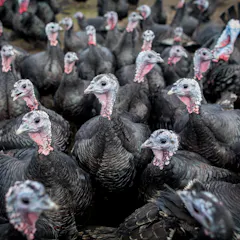
From ‘turkey trot’ to ‘going cold turkey,’ the centerpiece to many Thanksgiving dinners has lent its name to many things. But it also borrowed its name from elsewhere.

A scholar of spelling bees explains why Zaila Avant-garde’s victory at the National Scripps Spelling Bee is significant from a historical perspective.

How words are used change over time and insisting that their original meaning be adhered to is pretty silly.
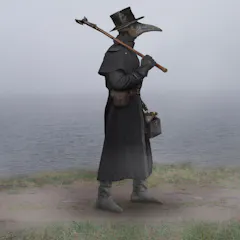
The etymology of an epidemic.

Behind the magical tale is a deep layer of linguistic meaning.
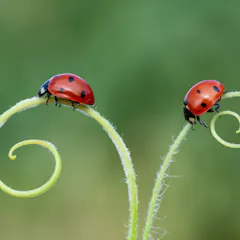
Ladybirds do not have tails because they have no backbones.
Top contributors
-

Professor of English Language and Literature, University of Oxford
-
Molecular Systematist, CSIRO
-
Associate Professor of Linguistics, University of Calgary
-
Editor-in-Chief of the South African Journal of Science and Consultant, Vice Principal for Research and Graduate Education, University of Pretoria
-
Professor of English, Rutgers University - Newark
-
Professor of Linguistics, Monash University
-
Assistant Professor, Vienna University of Economics and Business
-
Ecologist, Te Kunenga ki Pūrehuroa – Massey University
-
Professor of Anthropology and Asian American Studies, Northwestern University
-
Professor of U.S. Immigration Studies, Amherst College
-
Chair professor in English Language and Linguistics, Lancaster University
-
Lecturer in Language and linguistics, Nottingham Trent University
-
Professor of Rhetoric, University of Sussex
-
Senior lecturer in English language, University of Winchester
-
Professor of History, Kennesaw State University