

Utilities face a dilemma: How to deliver power through dry, windy regions without accidentally starting a catastrophic fire.
Articles on Fire safety
Displaying 1 - 20 of 44 articles
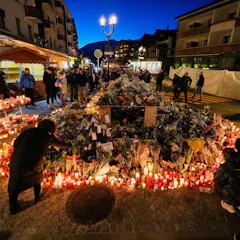
A spark may start a fire, but systems decide whether it becomes a disaster. The Swiss New Year’s blaze shows what happens when they fail.

Christmas holidays are peak time for bushfires. Here’s how you can understand the predicted fire conditions, develop a fire plan and have a safe break.
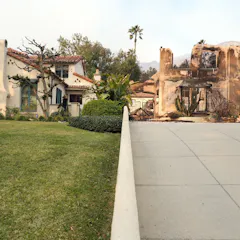
Hedges and trees may actually reduce home exposure to radiant heat and flying embers, but they must be well maintained. Two scientists who study how plants burn explain.
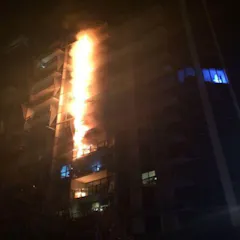
The 2014 Lacrosse fire was costly, but no lives were lost, unlike the 2017 Grenfell Tower fire that claimed 72 lives. Years later, more work is needed in four key areas to ensure buildings are safe.
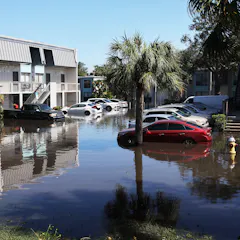
If you live in a flood-prone area, especially near the ocean, it’s important to know the risks if your EV is flooded. Or your golf cart, e-bike or other device with lithium-ion batteries.

Simple steps can help families reduce the risk of fire in their homes and communities.

The inquiry accused companies of misleading the market to make cladding products seem safer than they were known to be.
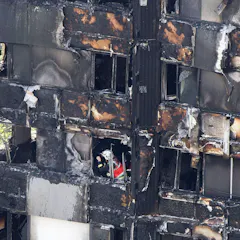
Manufacturers have to provide information on the fire behaviour of construction products, but there is no requirement to quantify the toxicity of the smoke.
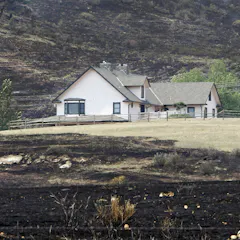
Roofs, windows and siding all affect how vulnerable a home is and how likely it is to survive a wildfire. So does what’s around it in the ‘home ignition zone.’

Fire is a social equality issue. Amid fresh concerns over rogue landlords and dangerous overcrowding, why have calls for change gone unheeded for so long?
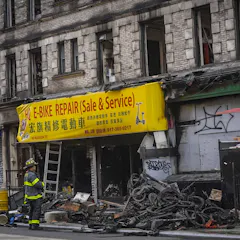
Lithium-ion batteries power many electric cars, bikes and scooters. When they are damaged or overheated, they can ignite or explode. Four engineers explain how to handle these devices safely.

The early symptoms of carbon monoxide poisoning include headaches or dizziness, breathlessness, nausea, tiredness, chest and stomach pains and visual problems.

Inadequate building regulations led to combustible products being used on external walls.
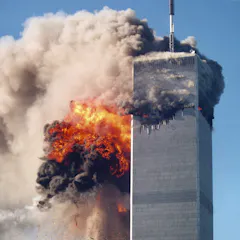
The World Trade Center buildings were built to withstand wind loads more than 30 times the aircrafts’ weight.

New regulations, training systems and research are underway but there’s much still to be done.

Since the Grenfell Tower fire claimed 72 lives in 2017, Australia has identified flammable cladding on more than 3,400 buildings. Despite apartment owners’ fears and rising costs, few have been fixed.
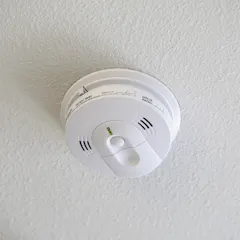
An electrical engineer explains how smoke detectors work, and how to reduce the chances of a false positive.

Weak regulation and a lack of mandatory inspections have increased fire risks for the one in four homes with rooftop PV panels. Here’s what we need to do to be safer.
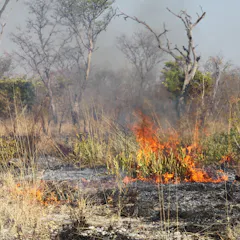
Understanding fire history is crucial to designing effective fire management in order to maintain biodiversity and support the livelihoods of people.
Top contributors
-

Adjunct Professor of Architecture, University of Technology Sydney
-
Associate Dean, School of Property, Construction and Project Management, RMIT University
-
Professor of Leadership and Management, Edge Hill University
-
Associate Professor in Property, Construction and Project Management, RMIT University
-
Professor of Journalism, Middlesex University
-
Director, Glowpear, Board member, ISDRS, Vice President, AHA and Senior Lecturer in Industrial Design, RMIT University
-
Professor of Chemistry and Fire Science, University of Lancashire
-
Lecturer in Construction and Property, The University of Melbourne
-
Wildfire Specialist, University of California Cooperative Extension; Adjunct Professor at the Bren School, University of California at Santa Barbara, University of California, Santa Barbara
-
Postdoctoral researcher, Universität Wien
-
Ph.D. Candidate, University of Colorado Boulder
-
Research fellow, The University of Queensland
-
Associate Professor, School of Sciences, RMIT University
-
Professor of Fire Protection Engineering, University of Maryland
-
Lecturer - Department of surgery Speciality: Plastic & Reconstructive Surgery, University of Nairobi