
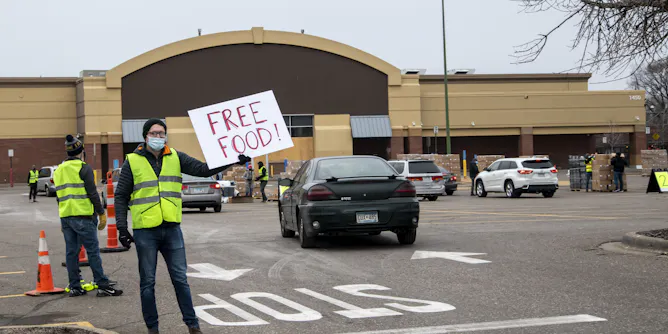
Congregations can help bridge gaps left by government programs, especially for many immigrants and others who are not eligible for SNAP benefits.
Articles on Food and poverty
Displaying 1 - 20 of 35 articles
Long-term increases like this are unusual. So is the fact that this increased governmental generosity began with a measure approved by Congress when Republicans held majorities in both chambers.
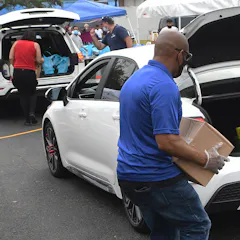
Food insufficiency rates rose across the board, researchers who analyzed government data found.
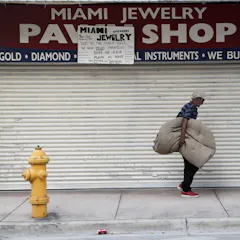
The latest figures offer new evidence that a K-shaped recovery is following the coronavirus recession – which hit the lowest-paid workers the hardest.

A scholar of nutrition opens up with a personal take on food insecurity in America.
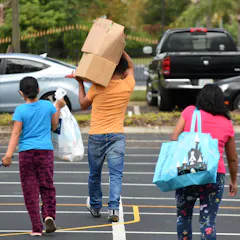
While the food insecurity rate held steady in 2020, the racial hunger gap increased.
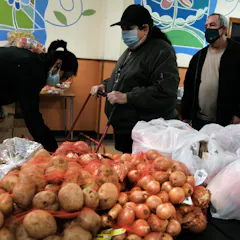
Early estimates US poverty rate estimates indicate that policies intended to soften the blow of economic upheaval made a big difference.
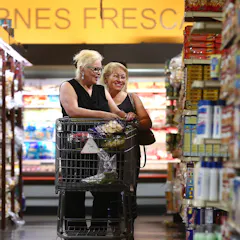
An economist explains what it would cost to give SNAP benefits to all Americans in households earning up to about $100,000 per year – and why it would be worth it.

Detecting food insecurity requires more than assessing what’s in your refrigerator or measuring the distance between your home and the closest supermarket.

Expanding free lunch programs could also reduce stigma for students, lower administrative burdens for schools and create jobs for communities.

For many of the children who don’t get enough to eat, the consequences could last a lifetime.

New data shows how high prices and low incomes prevent 4 in 10 people worldwide from buying enough nutritious foods for a healthy diet.
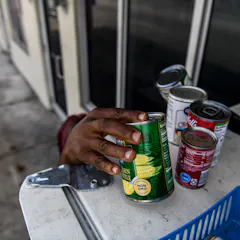
Formerly incarcerated Americans face food insecurity rates double that of the general population. A 1996 law that prohibits drug felons from getting crucial benefits may be partially to blame.

Indigenous people in the US have high rates of food insecurity and dietary-related health problems. Any attempts to address the problem must start with land justice, argues a scholar of Native health and food.
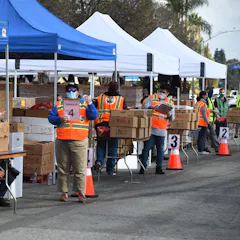
These efforts are growing due to the coronavirus pandemic. They involve partnerships with school districts, food banks and other institutions.
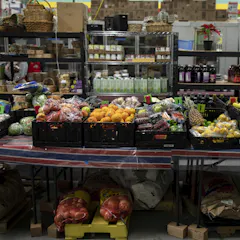
Behavioral economics, long employed in grocery stores to guide customers to certain products, could be employed by food banks and pantries to encourage healthier choices.
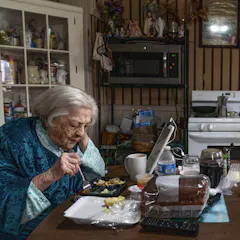
Personal interactions between volunteers and the older adults they assist, which paused due to pandemic concerns, are resuming.
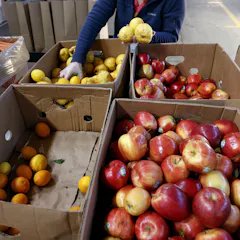
Plus, the discovery of the first known burial in Africa. Listen to episode 16 of The Conversation Weekly.
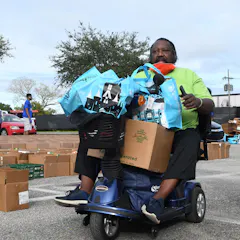
While long lines and food shortages are frustrating for most consumers, they can be physically and emotionally grueling for people with disabilities.
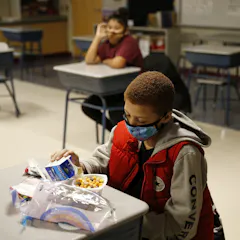
Chronic absenteeism is a pressing issue in high-poverty schools, but research suggests that serving students breakfast during class can help keep kids in school.
Top contributors
-

Professor of Economics, Baylor University
-
Associate Professor of Allied Health Sciences, University of Connecticut
-
Assistant Professor of Nutrition, Texas State University
-
Professor of Human Development and Family Sciences, University of Connecticut
-
Professor of Urban and Environmental Policy and Planning, Tufts University
-
Associate Professor of Social Work, University of Memphis
-
Associate Professor of Political Science, University of Richmond
-
Associate Professor of Social Work, Boston College
-
Assistant Professor of Library and Information Science, University of North Carolina – Greensboro
-
Assistant Professor of Food and Nutrition, Meredith College
-
Professor of Education and Social Policy; Director of the Institute for Policy Research, Northwestern University
-
Professor of Agricultural Economics, Purdue University
-
Professor of Agricultural and Regional Economics, Penn State
-
Professor of Public Policy and Economics, University of California, Berkeley
-
Associate Professor of Rural Sociology, University of Missouri-Columbia