
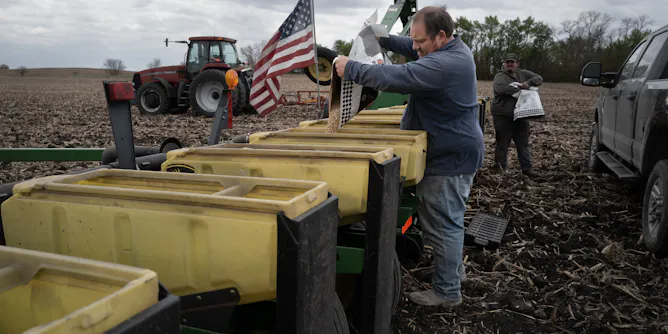
When huge companies assert their patents, smaller businesses and public plant breeders are dissuaded from conducting research that might not be illegal at all.
Articles on Genetic modification
Displaying 1 - 20 of 71 articles

Gene-edited dairy products could help farmers adapt to climate change. New research shows consumers may be willing to buy them under the right conditions.

Researchers are embarking on the RNA equivalent of the Human Genome Project, including sequencing all the chemical modifications that make cells unique.

Exciting as it sounds, most of this technology is still locked away in labs, not available in airports.

Gene editing could add genetic diversity that can revitalise species on the brink of extinction.
Gene technology has been earmarked for expansion in New Zealand, but without robust regulation local communities could be left with the unintended consequences.
If we want better oversight and accountability about how AI affects all our lives, we don’t have to start from scratch.
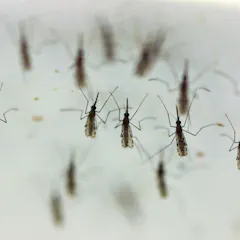
Mosquitoes can be genetically modified to help reduce the number of malaria-carrying mosquitoes, and therefore malaria transmission.
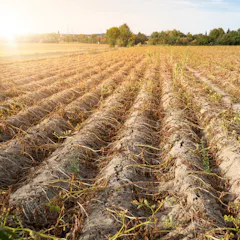
Humans and animals can hide from extreme heat. But plants have no escape. To protect our crops from the heat to come will likely mean modifying them.

The concept goes back to a 17th century polymath who worked in Germany.

Many people know someone with a genetic disease, but few understand how gene mutations work.

Biotech firms are using climate goals opportunistically in an attempt to force through the deregulation of genetically modified crops.

Recent study investigated how fast genes are being transferred between distantly related species.
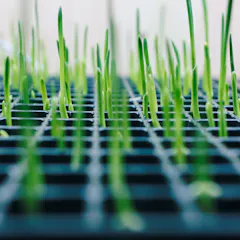
The biotech sector uses climate change as an urgent argument for more funding and fewer regulatory hurdles. But the urgency of climate change raises the risk of superficial claims and actions.
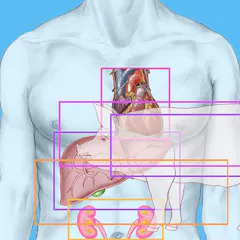
Recent successes putting genetically modified pig organs into people have brought xenotransplantation back into the spotlight.

New developments in organ transplants from animals show promise. However, there has been no public engagement about a potential risk. It may streamline a pathway to humans for new zoonotic diseases.
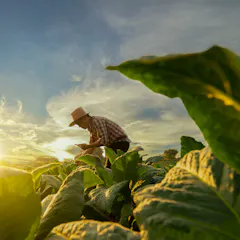
Field trials of genetically edited crop plants are to be allowed in England under new government proposals.
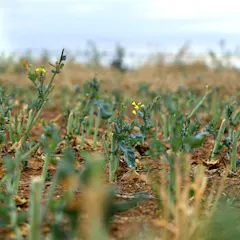
GM proponents say the technology leads to better crop yields and may solve food shortages and reduce pests. Opponents say GM is a threat to the environment and humans. So where does the truth lie?

If species already modify their genes, why shouldn’t we?

The answer lies in determining what we are and what we want to become.
Top contributors
-

Professor and Chair of Philosophy, Wageningen University
-
Senior Lecturer in Food Biotechnology and Microbiology, Agriculture and Food Systems, The University of Melbourne
-
Post Doctoral Fellow and Haematologist, WEHI (Walter and Eliza Hall Institute of Medical Research)
-
Natural Environment Research Council Independent Research Fellow, University of Sheffield
-
Adjunct Fellow, T.C. Beirne School of Law, The University of Queensland
-
Professor; Dean, Melbourne School of Land and Environment, The University of Melbourne
-
Lecturer in Ecology, Evolution and Computational Biology, Newcastle University
-
Principal Investigator, CSIRO Marine and Atmospheric Research, CSIRO
-
Professor and Deputy Director, MRC Laboratory of Molecular Biology, University of Cambridge
-
CSIRO Fellow, CSIRO
-
Professor of Social Work; Head of Logan Campus, Griffith University
-
Medical Researcher, WEHI (Walter and Eliza Hall Institute of Medical Research)
-
Head - Malaria Functional Genomics Unit, WEHI (Walter and Eliza Hall Institute of Medical Research)
-
Lecturer, School of Media, Creative Arts and Social Inquiry, Curtin University
-
Professor of Reproductive Science, UCL