

The prestige and visibility that is often associated with women on boards of directors can ultimately hinder their advancement, rather than help it.
Articles on Governance
Displaying 1 - 20 of 322 articles

Historical events hold lessons about collaboration and competition in space that could inform how experts plan for the discovery of life beyond Earth.
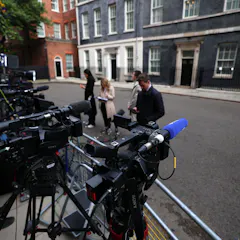
Prime ministers aren’t lasting long in the job these days – and data shows that the UK is slipping on some measures of governance.

Armed groups in the Sahel are finding new ways to profit from the rapidly expanding lithium trade.
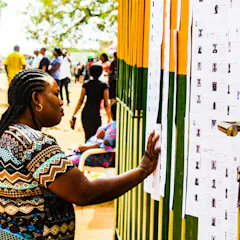
For many Malawians living in acute poverty, elections provided an opportunity to secure much-needed relief.
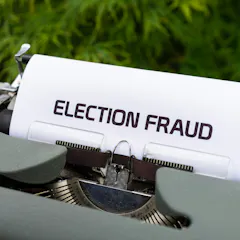
Fact-checking only helps if it reaches people before they have made up their minds.
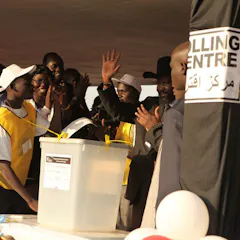
No country emerging from prolonged civil war is ever sufficiently prepared for elections.
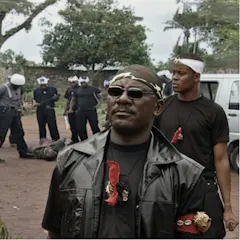
One of west Africa’s most popular action films speaks to Nigeria’s pressing security issues.
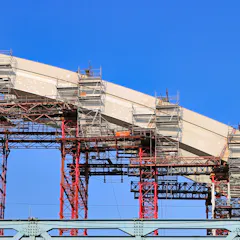
A group of researchers explored governance models in ten countries to see whether they help plan and deliver large-scale infrastructure works more responsibly and efficiently.

Well-run institutions are more resilient to financial instability and better positioned to attract long-term partnerships.

While alarming, incidents involving alleged unauthorised or inappropriate access can actually be a sign that safeguards to protect our data are working.

New research indicates that collective forms of governance were more likely.
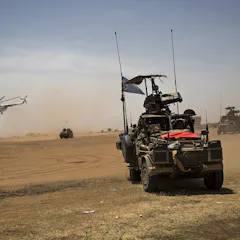
The strength of armed groups doesn’t come only from weapons but also from how deeply they are embedded in local realities.

A rigged electoral system and fragmented opposition allowed Denis Sassou Nguesso to claim 94.90% of the vote.

Policies that look chaotic actually reflect a deeper shift in how governments exercise power. The consequences can be dire.
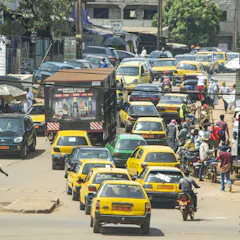
Every city is different but they can learn from each other.
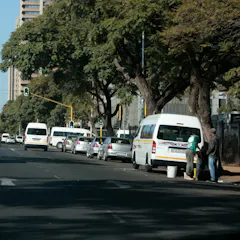
Reform must recognise that the sector’s social capital is its strength and its weakness.

Without the AU, the continent would have weaker bargaining power and slower coordination on issues that touch public life.
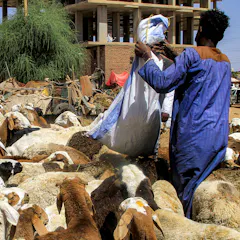
Armed actors in fragile contexts typically engage in sectors where they can quickly extract profits.
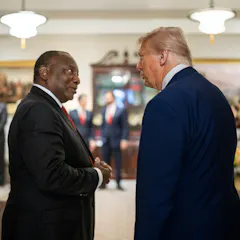
South Africa’s preference for dialogue has become harder to sustain in a polarised world.
Top contributors
-

Political Scientist, University of the Western Cape
-
Senior Research Associate, University of Johannesburg
-
Professor of Public Affairs, Tshwane University of Technology
-
Professor of Political Studies, University of Johannesburg
-
Professor of Physics, University of Johannesburg
-
Professor, Weber State University
-
Professor of Sociology, University of the Witwatersrand
-
Professor and Research Theme Leader of the Flourishing Life Research Theme, University of the Free State
-
Visiting Adjunct Professor, School of Governance, University of the Witwatersrand
-
Postdoctoral research fellow at the SARChI Chair: African Diplomacy and Foreign Policy, University of Johannesburg
-
Professor of Accounting, The Ohio State University
-
Economist, UNSW
-
Professor of Urban Policy and Director, Urban Futures Enabling Impact Platform, RMIT University
-
Professor/Senior Research Fellow, Centre for Advancement of Scholarship, University of Pretoria
-
Professor of Democracy, University of Birmingham