
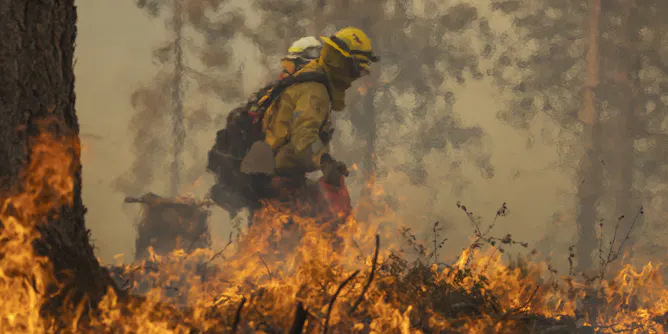
Wildland firefighters face heat from the environment, the fire and their own bodies as they work long, exhausting hours. The head of Purdue’s fire lab explains the health risks and what can help.
Articles on Heat stroke
Displaying 1 - 20 of 48 articles
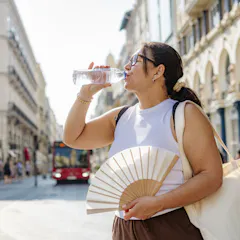
Australians love a holiday, but are increasingly making travel plans around unpredictable weather.
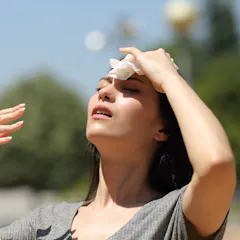
Heat stroke doesn’t just overheat the body. It unleashes an inflammatory chain reaction that can damage organs even after the temperature returns to normal.
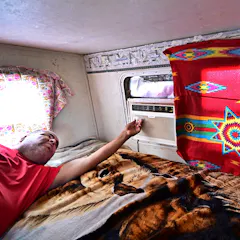
There is no single thermostat setting that is right for every person or every home. And there are other easy, low-cost steps that can help keep everyone comfortable when hot weather sets in.
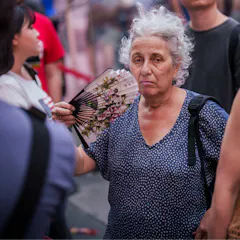
A public health researcher explains the signs to watch for that someone is developing heat exhaustion or heat stroke, and what to do.
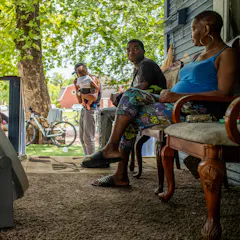
Heat waves can be dangerous, and the conditions indoors can be worse than outdoors. A study of all the single-family homes in Austin, Texas, shows why.
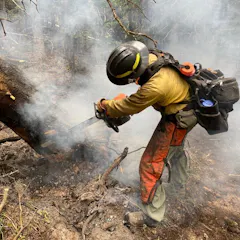
The risk to firefighters isn’t just from breathing wildfire smoke – it’s also in the chemicals that get on their clothes and filter through to their skin.

Exercise can feel more difficult in the heat, but when does it become unsafe? Two experts explain how you can check your risk, at your location.

A public health researcher explains the signs someone is developing heat exhaustion or heat stroke, and what to do.

Formula One racing suits do much more than protect drivers from fire. In fact, they could determine who stands on the podium.

Both are caused by exposure to excessive heat, whether from hot conditions, physical exertion, or both.

Kids can be more vulnerable due to a combination of their behaviour and physiology.

An athletic trainer explains why bodies need time time to acclimatize, and the risks to watch out for.

Hajj has grappled with public health and safety risks such as crowd crushes and infectious diseases in the past. It’s now facing an emerging risk: climate extremes.

Exposure to extreme heat can be dangerous for our health – and some people are at greater risk.

As Australia heads into summer with an El Niño, it’s important understand and prepare for the health risks associated with extreme weather.

Heat exposure is inevitable for those who work or are active outdoors. A heat acclimation protocol, combined with heat-mitigating strategies, is the best defence against heat-related injuries.
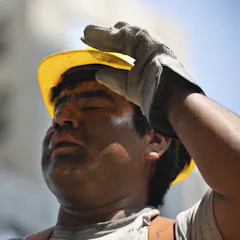
The biggest risks aren’t always the biggest numbers on the thermometer – humidity gets dangerous faster than many people realize.
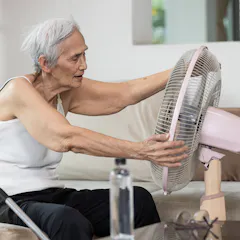
Extreme heat kills more Australians than any other natural hazard. Here’s why it’s important to keep an eye on older family and friends this summer.
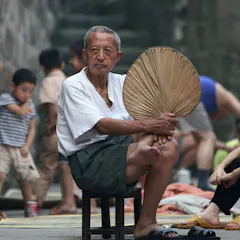
The tropics are projected to face almost daily dangerous heat by 2100. And “extremely dangerous” heat that’s almost unheard of today will occur more often in several regions.
Top contributors
-

Honorary Associate Professor in Environmental Health, Australian National University
-
Geographer-climatologist and Postdoctoral Fellow, Penn State
-
Sports Physiologist, Western Sydney University
-
Clinical Associate Professor, Texas A&M University
-
Professor of Public Health, College of Charleston
-
Professor of Physiology, Kinesiology and Human Performance, Penn State
-
Postdoctoral Researcher in Kinesiology, Penn State
-
Associate Professor, Kinesiology, University of Windsor
-
Ph.D. Candidate in Exercise Physiology, Penn State
-
PhD candidate, Monash University
-
Fellow, Keele University
-
Winthrop Professor, The University of Western Australia
-
Clinical Lecturer, Honorary, The University of Western Australia
-
Assistant Professor of Emergency Medicine, University of Arizona
-
Animal Geographer, Keele University