

Two thirds of China’s 900m rural residents are moving to cities. Now, architects are finding ways to preserve their built heritage, before it disappears.
Articles on Heritage
Displaying 81 - 100 of 139 articles
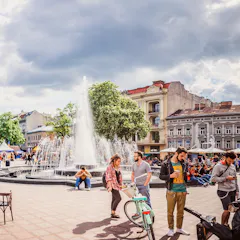
Looking back at Lviv’s Soviet past, there are clues about how to preserve history for everyone – not just the affluent.

A decade-long project to excavate a sod house from half a millennium ago has yielded nearly 100,000 artefacts.

From cobbled laneways to grand buildings, bluestone has a long history in Melbourne – one that starts millions of years ago.

Nepal’s capital city was devastated by the 2015 earthquake, but rebuilding heritage sites has been fraught with difficulties.
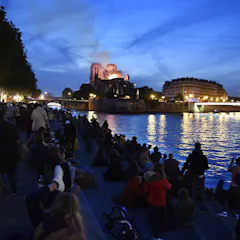
Images of Notre Dame on fire have elicited an outpouring of grief around the world and online. This response raises the question of why we feel more connected to some heritage places than others.
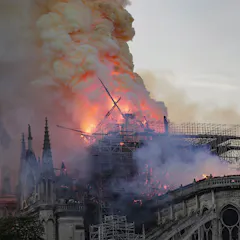
With modern technology, it is entirely possible for the cathedral to be recreated with near-accuracy to the original. We can do this and keep the original building’s spirit and feeling.

A swift response from the heritage community prevented damage to sites of national heritage.

Cultural heritage establishes closer ties between a community and the land it lives – and relies – on.
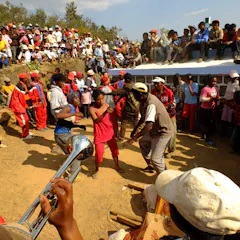
Africans have steadfastly responded to oppression through culture.

Palaeontological finds offer a compelling and profound way to think about our place in nature.
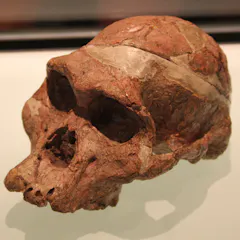
Museums might look dull and old from the outside, but they house a wealth of knowledge that we cannot afford to lose.
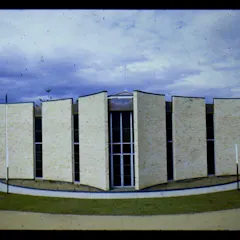
Of the thousands of churches erected to serve the fast-growing communities of post-war Australia, very few are protected. Are we happy to lose buildings that are so much part of our modern heritage?

The Trump administration recently reduced the size of Bears Ears in Utah, opening millions of acres to mining and other uses. This threatens Indigenous heritage and can be seen as a form of violence.
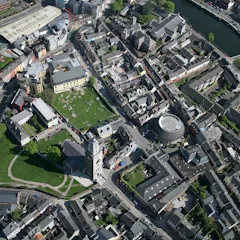
A suburb in the Irish city of Cork sets the standard for involving the community in heritage building conservation. Public engagement is the key to managing the inevitable conflicts.

Adaptively re-using buildings can preserve heritage while enabling new uses that help make cities more liveable and sustainable.
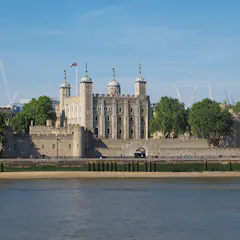
When talking about heritage, we need to be clear about our definitions and our objectives for each building. Then we can work on achieving the optimum balance of heritage and sustainability.

New research has cast doubt on the effectiveness of scientific studies monitoring industry impact on rock art in the Burrup Peninsula.

Island philosophies can be used to decolonise university courses and teaching. They can also advance sustainable development models and, ultimately, achieve responsible tourism.
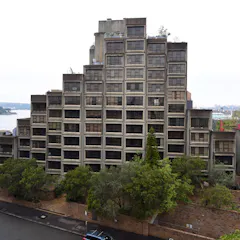
Social housing can certainly have heritage significance. Over more than 100 years, it has been shaped by contemporary architectural and political ideas, sometimes in an exemplary way.
Top contributors
-

Honorary Research Fellow, Federation University Australia
-
SARCHI Ocean Cultures and Heritage, Nelson Mandela University
-
Research Associate, African Centre for Coastal Palaeoscience, Nelson Mandela University
-
Associate Research Fellow, Heritage Destruction Specialist, The University of Melbourne
-
Professor of International Politics, Deakin University
-
Professor in Archaeology, University of Bristol
-
Alan Morris is a Friend of The Conversation.
Professor, Institute for Public Policy and Governance, University of Technology Sydney
-
PhD; Adjunct Senior Research Fellow, Monash University
-
Senior Lecturer in Architectural HIstory and Theory, UNSW & Honorary Research Fellow, Australian Centre for Architectural History, Urban and Cultural Heritage (ACAHUCH), UNSW
-
Senior Lecturer in Urban and Environmental Planning, Griffith University
-
PhD Candidate, Anthropology and Archaeology, University of Bristol
-
Lecturer in Architecture, University of Liverpool
-
Laureate Professor in Archaeology, The University of Western Australia
-
Professor of Management, University of the Sunshine Coast
-
Professor and Director of Research, ANU Law School, Australian National University