
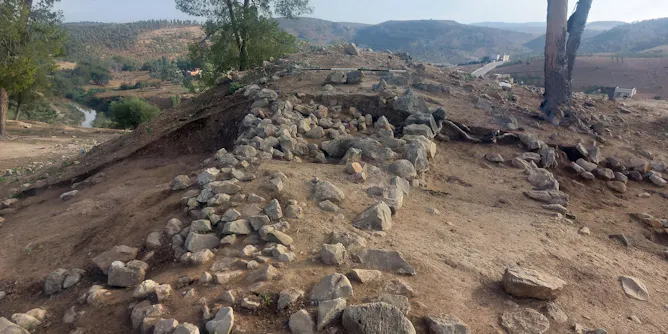
Communities in the north-west Maghreb were able to coordinate large construction projects thousands of years ago.
Articles on Archaeology
Displaying 1 - 20 of 654 articles
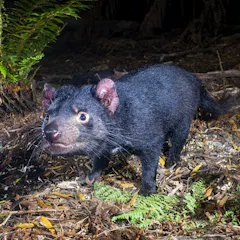
Despite their name, Tasmanian devils could be found across mainland Australia thousands of years ago.

Betel nut is the fourth most-used psychoactive drug in the world – and new evidence suggests it was being used in Indonesia as long as 25,000 years ago.

Researchers managed to extract DNA from African fossils dating back to the last ice age.
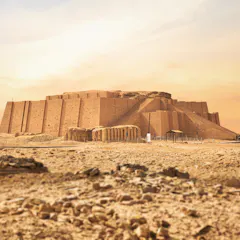
The centenaries of some of Iraq’s most influential archaeological discoveries invite reflection about the role of Iraqi scientists.
A team of historians, archaeologists and forensic anthropologists is trying to identify 15 German soldiers who were unceremoniously dumped in a ditch after trying to help the British capture Philadelphia.
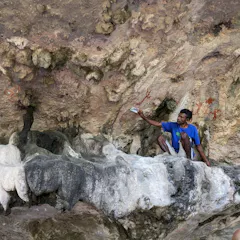
The age of the rock art at Wetar means it could be one of the earliest places outside of Taiwan to document the Austronesian migration.
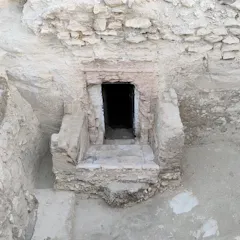
Due to its location at the foothills of the Theban mountain, the monuments in this necropolis are extremely vulnerable to flash flooding.
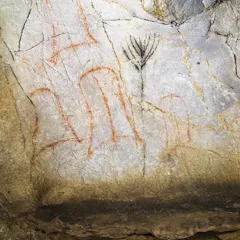
A painted panel deep in a Spanish cave may push the human relationship with mind-altering plants back thousands of years, earlier than anything previously known.
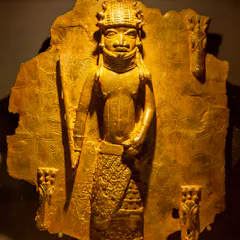
Archaeology can repair past harm, create work for people in the present and preserve cultural heritage for the future.
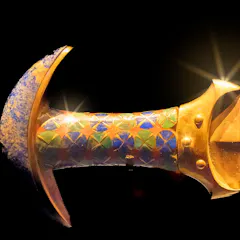
Women played a crucial role in all aspects of the development and endurance of the state, including some who ruled the country in their own right.
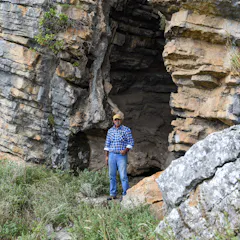
A new study shows the cave was only used for very special purposes.
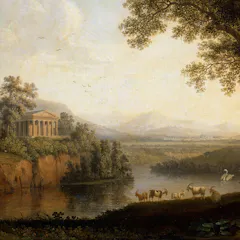
Until recently, it was impossible to directly assess the diet and mobility of ancient Greek animals and settle this debate.
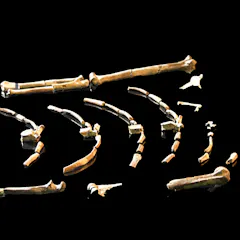
More than any other ancient relative, Lucy has challenged us to think deeply about what it means to be human.
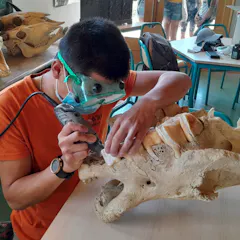
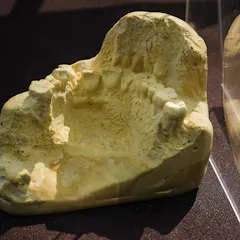
A recent study provides evidence that Neanderthals used rhinoceros teeth as tools.
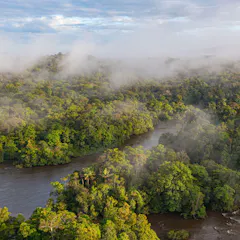
Archaeologists thought ancient Amazonia was only home to wandering people, but new technology has uncovered complex societies living in forest cities.
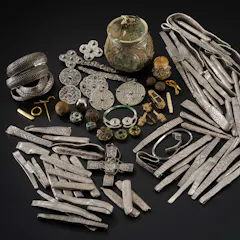
This mysterious Viking-age hoard lay buried for more than a millenium. Unearthed by an amateur metal detectorist, it is now on show in Sydney.
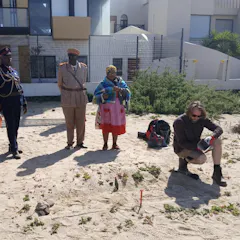
Without intervention, the important surviving physical evidence and the opportunity for commemoration will be lost.

Because iron could be used in tools, it was a technical and social revolution, especially for agriculture.

Survival depends on information and social networks.
Top contributors
-

PhD Candidate, Anthropology and Archaeology, University of Bristol
-
Associate Professor of Archaeology, Griffith University
-
Director, Australian Research Centre for Human Evolution, Griffith University
-
Professor in Geochronology and Geochemistry, Southern Cross University
-
Associate Professor and Director, Flinders Microarchaeology Laboratory, Flinders University
-
Professor of Archaeology and Biological Anthropology, School of Social Science, The University of Queensland
-
Professor of Environmental and Geographical Sciences, Bournemouth University
-
Professor of Archaeology, Griffith University
-
Curator of Human Evolution of the Cleveland Museum of Natural History and Research Assistant Professor of Anthropology, Stony Brook University (The State University of New York)
-
Associate professor, University of Johannesburg
-
Associate Professor in Archaeology and Space Studies, Flinders University
-
Honorary Associate Professor, UNSW
-
Research Associate, African Centre for Coastal Palaeoscience, Nelson Mandela University
-
Head, Public Engagement, Chau Chak Wing Museum, University of Sydney
-
Associate Professor of Anthropology, Rice University