

The UK government was forced into a tax U-turn, but what about other struggling businesses?
Articles on High streets
Displaying 1 - 20 of 74 articles
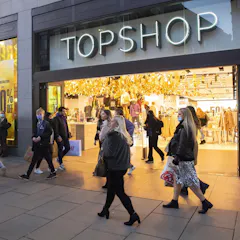
In August, Topshop returned to the runway with their first catwalk show for seven years.

It’s time for retailers to let go.
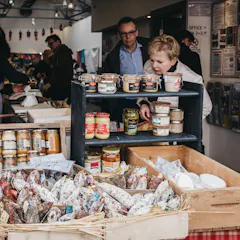
Physical checks on plant and animal products arriving from the EU will attract fees of up to £145.
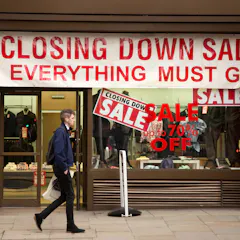
The law can help struggling firms turn their business around, but stigma around the legal terms may be deterring companies from acting in time.

It was a trailblazing firm which fought against animal testing for beauty products.

Younger people are spending more on experiences, and cutting back on alcohol.

Digital retail is not just about buying online.

The way high streets function has fundamentally changed, and we need to start prioritising their social value over their monetary value for the benefit of local communities.
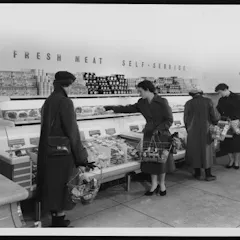
The audio version of an in-depth article on how the future of shopping was shaped by its past.

Thousands of young people became pet owners during the pandemic - retailers should let them bring their furry friends to stores.

The pandemic changed the way we shop – with many ‘new’ initiatives actually reinventing old ways of doing things.

Most people do it online – here’s how to buy without wreaking havoc.

Since the 2010s boosting retail has been the government’s primary remedy for better high street health. Without centering the community these street serve, though, plans are likely to fail.
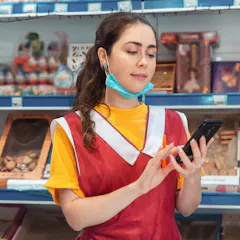
As hundreds of thousands of people are “pinged” by the NHS track and trace app, how can employers cope with staff shortages?
A sales and marketing formula based on a broad range of clothing for all ages at reasonable prices over many years is difficult to change.

Thanks to a bid from a private equity firm backed by former Tesco boss Terry Leahy, the UK’s fourth largest supermarket chain is in play.
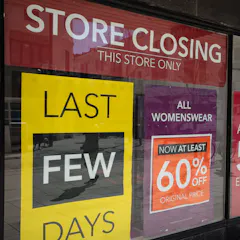
Well known retailers are too often stifled by risk averse corporate culture.

Roadsides have long been reserved for parking cars, but the pandemic led to many experiments with other ways of using scarce and valuable public space. We can put it to better and more flexible uses.
This doesn’t have to be the end for empty retail space.
Top contributors
-

Senior Research Associate, Nottingham Business School, Nottingham Trent University
-
Professor of Fashion Marketing, Nottingham Trent University
-
Senior Lecturer in Marketing; Associate Head (Global), University of Portsmouth
-
Professor of Place Management, Manchester Metropolitan University
-
Emeritus Professor of Marketing, University of Birmingham
-
Research fellow, Coventry University
-
Professor of Real Estate and Regeneration, Northumbria University, Newcastle
-
Professor of Comparative Literature, UCL
-
Professor of Retail Studies, University of Stirling
-
Lecturer in Marketing, Keele University
-
Professor of Marketing and Retail Enterprise, Manchester Metropolitan University
-
Professor of Accounting, University of Portsmouth
-
Associate Professor in Operations and Supply Chain Management, University of Southampton
-
Director, UWA Public Policy Institute, The University of Western Australia
-
Reader in Modern European History, Leeds Beckett University