

While investing more money could play a hand in improving Ontario’s special education, improvements should begin with a critical look at teacher training.
Articles on Inclusive education
Displaying 1 - 20 of 68 articles

An increase in the number of kindergarten children with special needs since the pandemic means more children will require specialized assistance and accommodation in later grades.

NeeDoh is the latest squishable toy to go viral. But not all sensory objects are toys. Here’s the difference and why it matters.
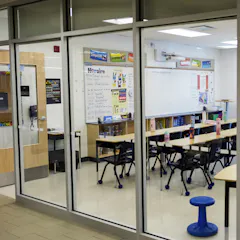
Systemic barriers, mental-health issues and insufficient school supports for students with disabilities are among the factors that affect absenteeism rates.
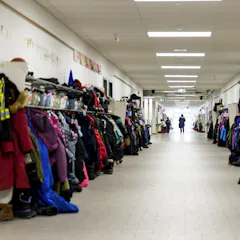
All students and families will be impacted by cuts and provincial reforms being imposed on Ontario schools, and those who are already disadvantaged will bear the brunt.
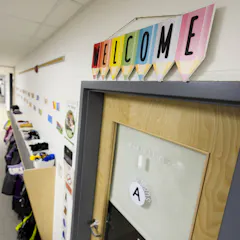
A valuable resource for teacher candidates and current teachers about Fetal Alcohol Spectrum Disorder is the Canada FASD Research Network.
There are opportunities to build classroom activities that genuinely reflect and embrace every learner in our vibrant pluralistic communities.
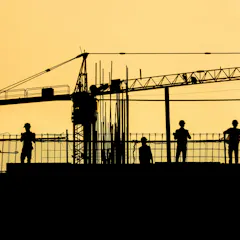
For women in the trades to have safer workplaces, the work of preventing gender-based violence must start long before anyone steps onto a job site.
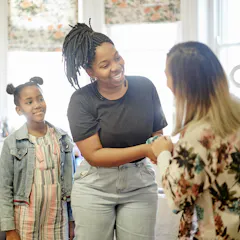
Parents see their children’s strengths, struggles, and the little things that make a big difference.

Inclusive education doesn’t just mean placing disabled children with their non-disabled peers, but re-organizing teaching and learning in the classroom.

Evidence-based de-escalation strategies, along with adequate staff support and trauma-informed training, can help schools reduce or eliminate the need to seclude students.

The Inclusive Camp Hub offers free tools to help summer camps and programs include children with neurodevelopmental disabilities.

Recent policy directions introduced by Alberta Education raise alarm bells, with PEN Canada saying the actions of the government pave “the way to a new era of government-sponsored book banning.”
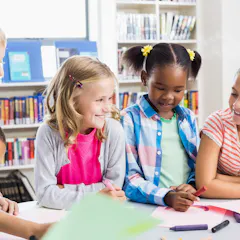
Survey respondents prioritised goals that promote autonomy, social inclusion and communication.

Diverse curricula are needed to acknowledge hidden histories, foster a shared humanity and a vision for a shared, socially just, future.
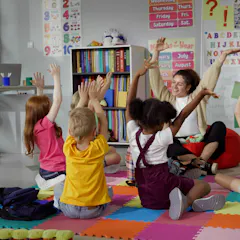
Inclusive education in Scotland is understood broadly to encompass an extensive range of issues that go beyind disability.
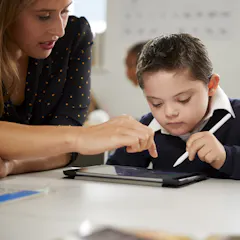
The national response to the disability royal commission provides yet more uncertainty over the future of special schools in Australia.
The government must call together a task force of educators, families and researchers to work toward better solutions for inclusive education as education for all.

Governmental co-operation is needed to accompany refugees through Canadian systems: from arrival, through education paths and into employment.

Students with disability are experts in themselves and their needs. But we found they are often not consulted by their teachers about what helps them at school.
Top contributors
-

Head AAT & EdTech, UCL
-
Professor and Director of the Centre for Inclusive Education, Queensland University of Technology
-
Lecturer, Australian Catholic University
-
Associate Professor in Inclusive Education and Arts Education, Australian Catholic University
-
Post-Doctoral Research Fellow, SARChI in Higher Education and Human Development Research Group, University of the Free State
-
Associate professor, Associate Director Children's Voices Centre, Macquarie University
-
Senior Lecturer in Special and Inclusive Education, RMIT University
-
Associate Professor, School of Education, University of Southern Queensland
-
Professor of Inclusive Education, L’Université d’Ottawa/University of Ottawa
-
Senior Lecturer in Psychology, University of the Sunshine Coast
-
Researcher in Inclusive Education, Monash University
-
Senior lecturer, University of Sydney
-
Associate Professor, Deakin University
-
Professor, Stellenbosch University
-
Canada Excellence Research Chair in Health Equity and Community Wellbeing; Professor, School of Disability Studies, Toronto Metropolitan University