
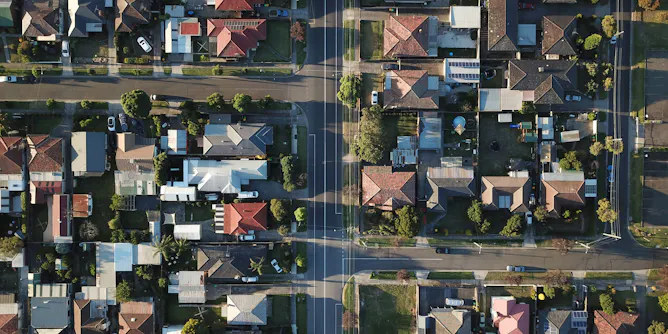
Canada’s National Housing Strategy claims to be grounded in a human rights framework, but the needs of Indigenous women and children are not being met.
Articles on Indigenous children
Displaying 1 - 20 of 31 articles

Canada remains one of the few high-income countries without a national oversight body focused on the well-being of children and youth.
Black children who go missing are often labeled as runaways, which excludes them from the Amber Alert system.

The inquest findings did not deliver a crushing blow to racial violence in the NT Police. It is a missed opportunity that will likely have devastating consequences.
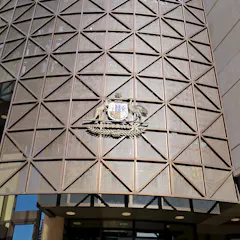
Distrust, systemic racism and fear all drive First Nations families away from using the court.

The report focuses on unaccounted missing children, unmarked grave sites, and the roles of government and churches in the Indian Residential School genocide.
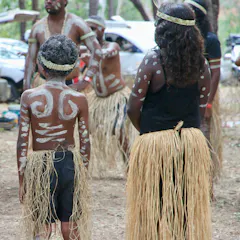
All of us have lost loved ones. Each of us know First Nations women and children who have been murdered and disappeared. This inquiry was welcome – but its recommendations fall far short of justice.
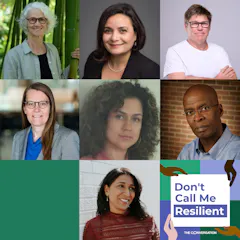
In this bonus episode, you’ll meet some of the producers who help make this podcast to revisit some of our favourite episodes from past seasons.
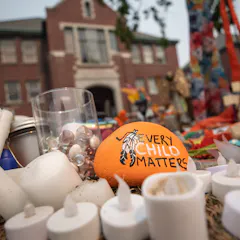
Contrary to what some ‘denialists’ believe, research shows that Canadian media outlets did not help circulate a ‘mass grave hoax’ regarding unmarked graves at former Indian Residential Schools.

The author led a search for unmarked graves at the site of Blue Quills, a former residential school. She found more areas of interest (potential graves) than the official record shows.

To honour Truth and Reconciliation Day, we spoke with Terri Cardinal, who headed up one of the many community searches for the children who went missing while attending an Indian Residential School.
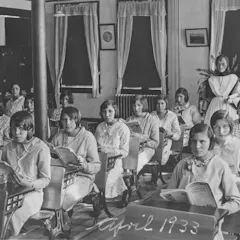
Survivors of multiple colonial school systems need their voices to be heard. An exhibit examines how colonial schooling policies over a century and a half influenced the Blood People.

Whether this apology has truly advanced the goal of healing may become evident only in years and decades to come.
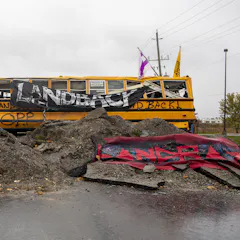
Settler Canadians have a responsibility to build respectful, reciprocal relationships with Indigenous nations on our shared geographic space. This relationship starts with land restitution.

In today’s episode of Don’t Call Me Resilient, we take a look at what has happened since the unmarked graves of 215 Indigenous children were found in Kamloops B.C.

Contact languages are widely spoken by many First Nations children. These languages must be recognised and valued in the classroom to better meet students’ learning needs.

In the next year, public support will be needed more than ever to ensure that the spirit of the agreement is respected and translated into meaningful change for First Nations children.

First Nations young people make up around 20% of missing children in Australia. However, these cases rarely make national, let alone international headlines.

The recent discovery of the bodies of Indigenous children being found in Canada reminds us of the dark history of Australia’s treatment of young First Peoples and children here in Australia.
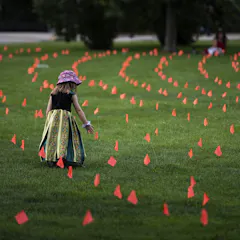
Canadians who wish to pay tribute to the children who died at Indian Residential Schools should demand the government stop fighting First Nations children in court.
Top contributors
-

Director, Indigenous Initiatives, MacEwan University
-
Associate professor, McGill University
-
Associate professor, Faculty of Law, L’Université d’Ottawa/University of Ottawa
-
Assistant Professor in the Department of Community Health Sciences, University of Manitoba
-
Indigenous policy analyst & researcher, Australian National University
-
Professor of Indigenous Education, The University of Melbourne
-
Lecturer, Faculty of Health Sciences, Australian Catholic University
-
Director for consultancy business Awakening - Cultural Ways, Indigenous Knowledge
-
Associate Professor of Religious Studies and Theological Studies, Conrad Grebel University College, University of Waterloo
-
Research Associate, University of Sydney
-
Associate Professor, Departments of History and Indigenous Studies, University of Manitoba
-
Associate Professor, Political Science and Director of the Centre for Transitional Justice and Post-Conflict Reconstruction, Western University
-
Professor of Social Work; Leneen Forde Chair in Child & Family Research, Griffith University
-
Associate Professor, Indigenous Studies, UNSW ; Macquarie University
-
Emeritus Professor of Literacy Education, Te Kunenga ki Pūrehuroa – Massey University