

Just over half of Aboriginal and Torres Strait Islander children in out-of-home care live with a kinship carer. Targets aim to increase this proportion. But what is kinship care?
Articles on Indigenous foster care
Displaying all articles
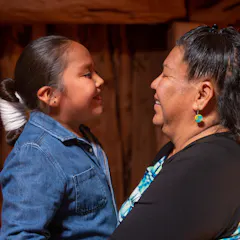
Native American families have endured generations of systematic child removal, but the grief, loss and trauma that birth mothers still experience have been largely overlooked.
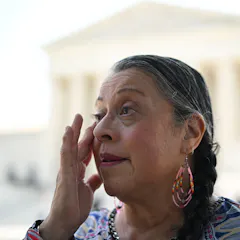
A Supreme Court ruling has upheld the right of Congress to pass laws about Native American tribes’ rights to self-government.

We surveyed 232 foster and kinship carers who had provided care to a baby in out-of-home care sometime in the last five years. Many were not well supported to care for babies.
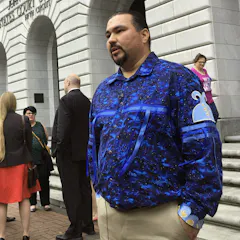
A case before the Supreme Court will determine whether a federal law meant to protect Native American children from being forcibly removed from their families is constitutional.

Most exit the out-of-home care system at 18, or younger, without ongoing support.

In some Manitoba schools, educators are working to recognize that the most urgent need for children who have experienced trauma is to establish the child’s sense of safety in the school.
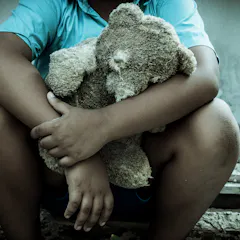
Young people leaving out-of-home care aren’t receiving the support they need to further their educations and transition successfully to adulthood.
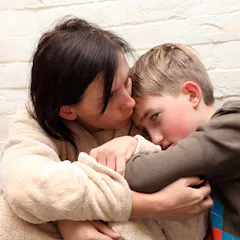
Mothers are dying prematurely after their children are taken into foster care.
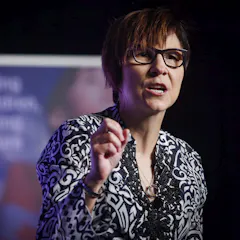
No project for reconciliation can succeed unless the federal and provincial governments roll back their power and create space for Indigenous control over their own self-determining futures.
Top contributors
-

Professor of Law and Adjunct Professor of Political Science, Wayne State University
-
Assistant Professor in the Department of Community Health Sciences, University of Manitoba
-
Senior Lecturer, Adelaide University
-
Senior Lecturer in History, Australian Catholic University
-
Professor and Department Head of CTL, Faculty of Education, University of Manitoba
-
Professor, Faculty of Education, University of Manitoba
-
Associate Professor in Law, Curtin University
-
Associate Professor, Faculty of Social Work, University of Manitoba
-
Assistant Professor of Human Sciences, The Ohio State University
-
Senior Research Officer, School of Nursing and Midwifery, Western Sydney University
-
Research Officer, Curtin University
-
Professor, Director Social Inclusion and Social Policy Research Unit, Monash University
-
Deputy Director Translational Research and Social Innovation Group at the Ingham Institute, Associate Professor, School of Nursing and Midwifery, Western Sydney University
-
Professor of Political Science, University of Guelph
-
Vice-Chancellor’s Associate Professional Research Fellow, Edith Cowan University