

After backlash from the LGBTQIA+ community, the government agreed to include gender and sexual orientation questions in the new census. So why not intersex?
Articles on LGBTQ health
Displaying 1 - 20 of 44 articles
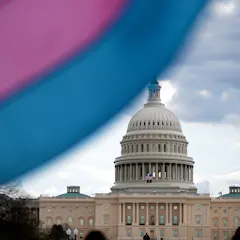
How invented threats, provocative language and repulsive imagery contribute to declining support for transgender people and other marginalized groups.

Guilt and shame from being rejected, discriminated against or bullied as a child can carry into adulthood. But making meaning from these experiences can help with healing.

Misinformation and a shifting legal landscape have left many families with trans children uncertain about what care doctors can still provide.
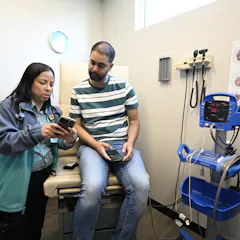
An increasing number of laws aim to roll back LGBTQ+ people’s ability to access health care, leading to cascading effects on their well-being.
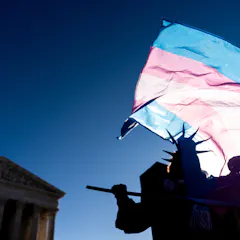
With invalid driver’s licenses and birth certificates, transgender people are at risk for more than just steep fines and imprisonment.

Those in the LGBTQIA+ community have much higher rates of eating disorders than the general population, especially trans and non-binary people.

Over half of new HIV diagnoses in the US are in the South. Black men who have sex with men are hit the hardest; for them, preventing HIV is a matter of trust, identity, family and faith.
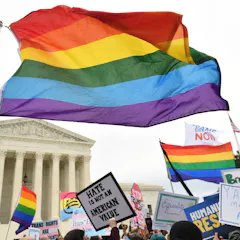
If conversion therapy is deemed speech, then bans on it likely will fall.
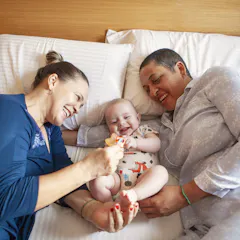
Using cells from a donor egg doesn’t create three ‘parents’. And while DNA is important, it’s not the defining feature of rainbow families.

The Trump administration’s CDC data purge means researchers can no longer effectively track and address health issues affecting LGBTQ+ people – and ultimately society as a whole.

When LGBTQ+ patients can be open with their providers about their identity, they are much more likely to get essential care.

The losses include millions of dollars the NIH has already spent on research that will no longer generate results, and the next generation of scientists whose work has been cut short.

New research finds sexually diverse youth are three times more likely to use cannabis in risky ways—driven by stress, not identity—highlighting the need for better mental health support and equity.

From access to preventive care to workplace protections, public policies affect the health of LGBTQ+ people and the general public in both direct and indirect ways.

While it doesn’t constitute a national ban on gender-affirming care for minors, the executive order contains provisions that could have a chilling effect on health care providers around the country.

A third of LGBTQIA+ Australians describe their health as only “fair” or “poor”, far more than the broader population. This new ten-year plan is long overdue – and here’s where it can start to help.
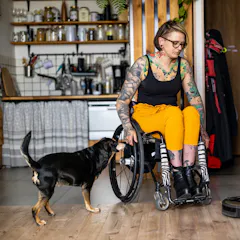
More than 85% of people with distressing menopause symptoms struggle to get appropriate care. These barriers can be compounded for LGBTQIA+ people and those living with disability.

PrEP can reduce the risk of sexually transmitted HIV infection by 99%. Discrimination and distrust are two barriers Black gay men face in accessing this lifesaving treatment.

28% of trans and non-binary people felt they were not treated with dignity and respect during labour – but coverage of the UK birth trauma report has largely ignored LGBTQ+ families
Top contributors
-

Assistant Professor of Health Policy and Administration, University of Illinois Chicago
-
Associate Professor of Psychology, Michigan State University
-
Associate Professor, Applied Human Nutrition, Mount Saint Vincent University
-
Professor, School of Nursing, Dalhousie University
-
Principal Research Fellow, Australian Research Centre in Sex, Health and Society, La Trobe University
-
Professor, Department of Psychology, Queen's University, Ontario
-
Post-Doctoral Health System Impact Fellow at the Cancer Care Program, Nova Scotia Health Authority, Dalhousie University
-
Infectious Diseases Physician, McMaster University
-
Associate Professor of Nursing, University of Tennessee
-
Senior Lecturer in Clinical Psychology, University of Pretoria
-
Acting director of the Centre for Sexualities, AIDS & Gender, University of Pretoria, University of Pretoria
-
Senior Lecturer in Health Care Law and Ethics, Barrister, Solicitor, Swansea University
-
Senior Lecturer in Philosophy, University of Sheffield
-
Professor of Economics and Education Policy, New York University
-
Assistant Professor of Economics, Southern Oregon University