
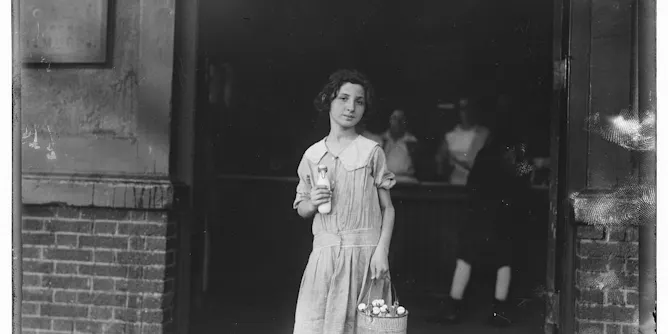
His achievements as a philanthropist are not widely known today because he did not create a grantmaking foundation that outlasted him.
Articles on Major donors
Displaying 1 - 20 of 27 articles
The missions the foundations’ original donors champion during their lifetimes can become outdated after they’ve died.
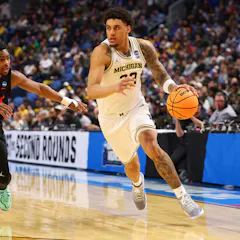
In an era of billion-dollar TV deals and million-dollar payments to players, the tax code continues to treat university athletic departments as organizations that promote education and amateur sports.
Three philanthropy scholars size up the latest data on gifts from the country’s biggest philanthropists.

A small portion of university research funding comes from individual donors. Most universities have policies in place to protect against wrongdoing.
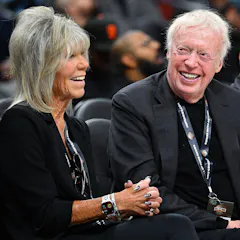
Three philanthropy scholars discuss several trends in giving by the wealthiest Americans highlighted in this yearly report. Among them: Much of this money doesn’t go to charities right away.
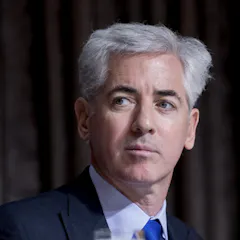
Threats from disappointed donors over the language used during campus protests about the Israel-Hamas conflict have become angrier and more public than in the past.
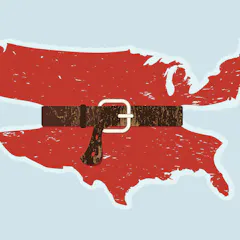
Giving receded as many Americans saw their purchasing power decline, straining household budgets.
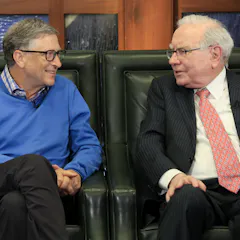
As giving receded to pre-pandemic levels, most of these gifts were designated for foundations, higher education, hospitals and medical research.
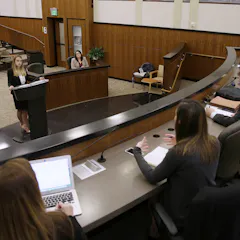
Universities, museums and other charities that find themselves saddled with names that have become sullied must choose among a few bad options.

Yvon Chouinard’s gift is unusual due to its structure but is also part of a trend. Many billionaires and large foundations are now funding these causes.

Some of the largest donations made in 2021 went to donor-advised funds, financial accounts known as DAFs.
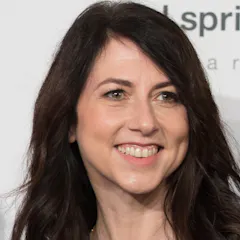
The approximately $12 billion she’s given away in the past two years has shattered conventions, explains a philanthropy historian.

US museums have sought to improve their diversity, equity and inclusion for decades, but progress has been slow.

Three scholars weigh in regarding the priorities of these wealthy American donors, who gave less to social service and racial justice groups than in the first year of the COVID-19 pandemic.
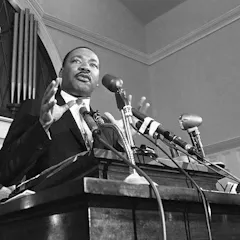
Big donors need to balance their ambitions to address injustices with the constraints on power that democracy requires.
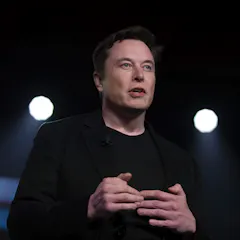
Giving away stock that has soared and that the donor has owned for at least a year makes the biggest dent in what share the IRS takes.
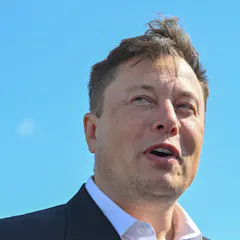
Combining the UN’s expertise and global reach with Musk’s wealth and revolutionary problem-solving could make a difference, a world hunger expert argues.
How much money it takes to attain this status varies according to the size of the nonprofit getting the gift.
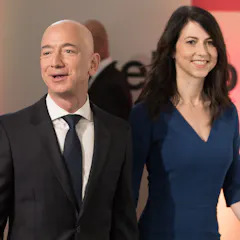
While support for social services and historically black colleges and universities rose sharply, these donors spent a tiny fraction of what the government distributed to people who needed help.
Top contributors
-

Professor of Public Administration, Binghamton University, State University of New York
-
Frey Foundation Chair for Family Philanthropy, Grand Valley State University
-
Professor of Law, Texas A&M University
-
Associate Director of Research, Lilly Family School of Philanthropy, and Managing Editor, Giving USA, Indiana University
-
Professor of Philanthropic Studies, Indiana University
-
Associate Professor of Public Policy and Public Administration, George Washington University
-
Interim Director of Data & Research Partnerships at the Lilly Family School of Philanthropy, Indiana University
-
UNESCO Chair in AI Ethics & Governance, IE University
-
Professor of Philanthropic Studies, Indiana University
-
Professor of Political Science, University of Arkansas
-
Assistant Professor of Accounting, University of California, Riverside
-
Eleanor Poynter Jamison Chair in Media Ethics and Press Policy; Co-Chief Project Officer on the National Ethics Project, University of South Florida
-
Associate Professor of Philanthropic Studies, Indiana University
-
Assistant Professor of Public Health, Indiana University
-
Professor of Law and Medicine, University of California, Los Angeles