

Ultrasound is often used in breast cancer screening, but it can often provide inconclusive results. Combining it with near-infrared light can help patients avoid the anxiety and cost of a biopsy.
Articles on Medical imaging
Displaying 1 - 20 of 27 articles

CT scanners at hospitals are often left running 24/7. But a new study shows it’s possible to save energy and still look after patients well.
Over the past 20 years or so, big companies have been buying smaller clinics once owned by radiologists. Here’s how that can be a problem.
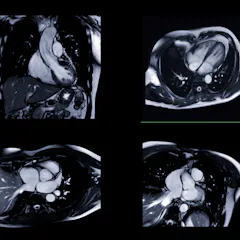
Research reveals AI models are learning shortcuts, like racial categories, instead of disease, potentially reinforcing bias in healthcare.
The company’s privacy policy does mention sharing data with research bodies, as authorised by Australian law. But few Australians read and understand privacy policies.
Your GP shines a light in your eyes, orders a blood test and requests some medical imaging. All rely on light to help diagnose disease.

Oral contraceptives modify the menstrual cycle. What’s less well known is that they also reach the brain, particularly the regions important for regulating emotions.
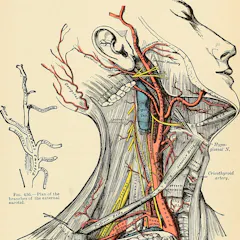
From body snatching to Photoshop and virtual reality, the techniques of medical illustration have evolved. But its essential role in showing clinicians how to care for the body continues today.
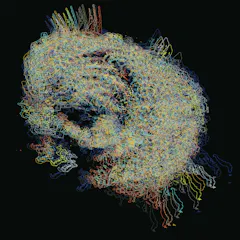
Artistic representations of scientific imaging can help illuminate complex ideas and help bring this knowledge to a wider audience.

Doctors weren’t happy when celebrity Kim Kardashian promoted whole-body MRI scans recently. But that doesn’t mean they don’t hold promise for understanding ageing on a grander scale.

As access to health care increases, there’s also a danger of getting too much of it.
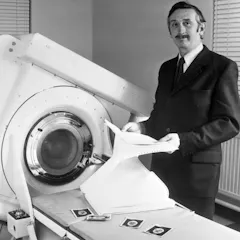
On Oct. 1, 1971, Godfrey Hounsfield’s invention took its first pictures of a human brain, using X-rays and an ingenious algorithm to identify a woman’s tumor from outside of her skull.

A technology that measures three-dimensional movement of the knee in real-time enables health professionals to make better assessments of the joint.
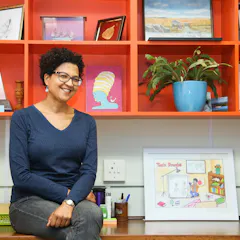
She believed and advocated that Africa needs to find solutions to its own problems and worked tirelessly to build biomedical engineering capacity across the continent.
Entangled photons have been used for the first time to encode information in a hologram, which could lead to improved medical diagnosis and speed up the advance of quantum technologies.

With artificial intelligence, machines can now examine thousands of medical images for signs of disease. Will this technology replace doctors – or work side by side with them?
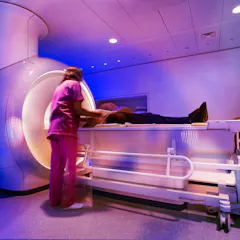
There are many different types of medical imaging and they all pick up different things.

Nanotechnology isn’t science fiction – you can find it in the latest TV screens, solar cells and tennis rackets.

Whether at a family gathering or in a research lab, getting access to images immediately was a game-changer. And Land’s innovations went far beyond the instant photo.
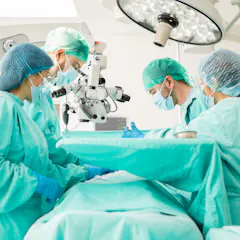
To improve wait times for surgery, Canada needs to fix its health-care system. Developing a national seniors’ strategy would be a good place to start.
Top contributors
-

Professeure en biomécanique, École de technologie supérieure (ÉTS)
-
Professeure, Département Science et Technologie, Université TÉLUQ
-
Professeure titulaire, Département d'anesthésiologie et de médecine de la douleur, Université de Montréal, Université de Montréal
-
Head of Sir Peter Mansfield Imaging Centre, Faculty of Science, University of Nottingham
-
Distinguished Professor of Optometry, Indiana University
-
Associate Professor in Medical Imaging, Deakin University
-
Professor and Chair of Electrical and Computer Engineering, Adjunct Professor of Computer Science, Adjunct Professor of Biomedical Engineering, Tufts University
-
Chancellor's Professor of Medicine, Liberal Arts, and Philanthropy, Indiana University
-
MB/PhD Candidate, University of Cambridge
-
Professor of Physics, University of the Witwatersrand
-
Professeur titulaire Faculté de médecine - Département de radiologie, radio-oncologie et médecine nucléaire, Université de Montréal
-
Acting Dean, Faculty of Health Sciences, Queen's University, Queen's University, Ontario
-
Senior Lecturer Medical Imaging , CQUniversity Australia
-
Research Associate, Case Western Reserve University
-
Director of Health Programs, BehaviourWorks Australia; Lead, Monash-McMaster Social Systems Evidence Collaboration, Monash Sustainable Development Institute, Monash University