
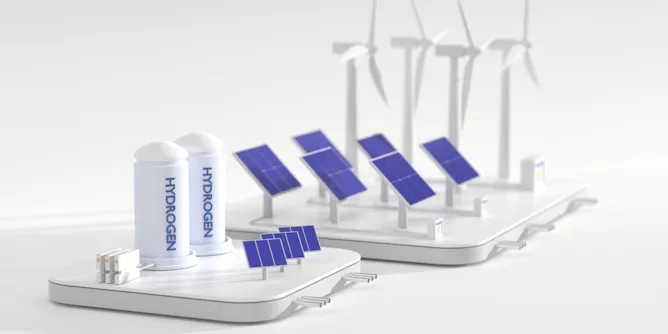
Hydrogen makes it possible to store renewable energy for longer – but has its limitations.
Articles on Microgrid
Displaying all articles
Residents in remote communities at the end of the power grid have long struggled with unreliable power. But change is coming
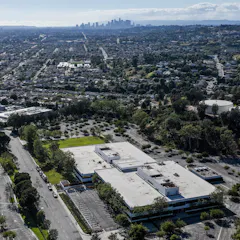
Two engineers explain how data center design, construction and operation can help the facilities support their communities.
As fuel prices rise, some remote communities feel the shock twice: first at the pump and then in the power supply.
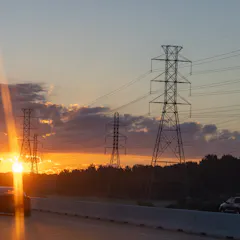
Many of the canceled grants were investments in the science and infrastructure necessary to keep the lights on in coming years, especially when the grid is under stress.
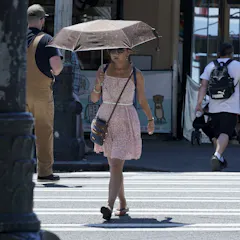
The administration said the grants were ‘no longer consistent with EPA funding priorities.’ Spokane, which has faced deadly heat waves in eastern Washington, shows who is at risk.
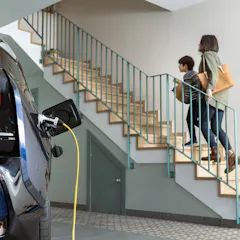
Using a ‘grid of grids’ network, New Zealand’s growing electric vehicle fleet could contribute to national energy resiliency, feeding electricity back into the system during peak demand.
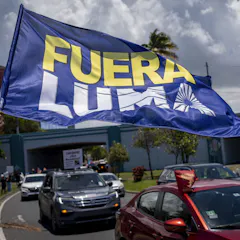
Four years after Hurricane Maria wreaked havoc on Puerto Rico, federal money to rebuild its electricity system is finally about to flow. But it may not deliver what islanders want.
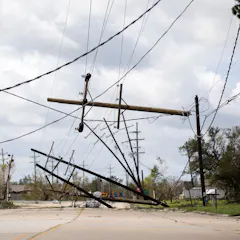
Building even more power poles and transmission lines won’t avert outages when major disasters strike.
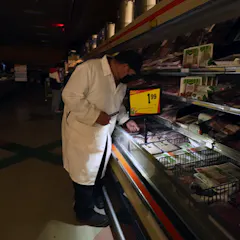
The weather-related impacts of climate change will increasingly threaten critical infrastructure in the future. Shifting electricity grids towards microgrids could help.
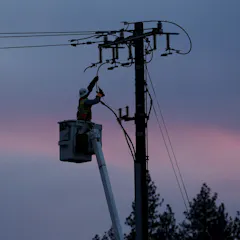
In an era of climate change and extreme weather, a microgrid — a self-sufficient, energy-generating distribution and control system — puts communities on the path to self-reliance.
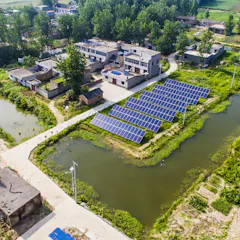
Small-scale renewable energy projects can power rural areas not connected to the main grid. But investors may hesitate if future electrification remains unpredictable.
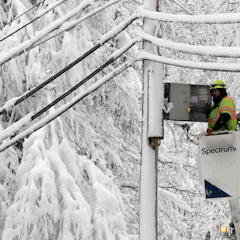
Making electric grids better able to withstand extreme weather events will require teamwork from engineers, researchers and the government.
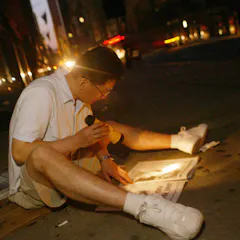
As South American countries recover from a massive blackout, the US isn’t immune: The Northeast Blackout of 2003 cut power to 50 million people, and many threats to the electricity grid remain.
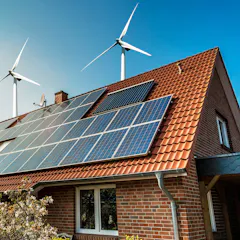
Blockchain technology could be applied to our energy grids to make them smarter, and turn energy consumers into producers.
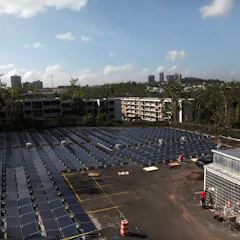
Yes, Puerto Rico and any other storm-vulnerable location could benefit from on-site solar and battery backup, but it’s unrealistic to say these microgrids are enough to power the island.
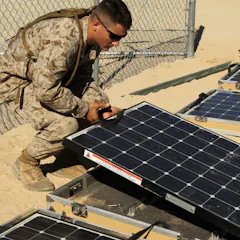
US military bases usually get their electricity from the civilian grid, which is vulnerable to attack and to disaster. Solar-powered microgrids could protect national security, and would save money.
Top contributors
-

Director, Boston University Institute for Sustainable Energy, and Professor of Practice, Questrom School of Business, Boston University
-
Research Fellow at the Institute for Sustainable Energy, Boston University
-
Robert Sansom Professor, Department of Computer Science and Technology, University of Cambridge
-
Assistant Professor of Electrical Engineering, Iowa State University
-
John M. Thompson Chair in Information Technology and Innovation and Professor, Western University
-
Professor and Chair in Sustainable Energy Systems, Te Herenga Waka — Victoria University of Wellington; Stellenbosch University
-
Professor of Energy and Environmental Economics and International Affairs, Penn State
-
Professor, Department of Geography and Environmental Studies, Thompson Rivers University
-
Manager, Centre for Grid Innovation, Northern Alberta Institute of Technology
-
Ph.D. Student & Public Scholar, Institute for Resources, Environment and Sustainability, University of British Columbia
-
Research Fellow, Te Herenga Waka — Victoria University of Wellington
-
Professor of Law Emeritus, Vermont Law & Graduate School
-
Associate Professor, Forest Resources Management, University of British Columbia
-
PhD Candidate, University of British Columbia
-
Professor of Law & Staff Attorney, Vermont Law & Graduate School