

A psychologist explains why the dark humor around Mangione’s case isn’t evidence of nihilism but of what happens when demands for moral seriousness stop feeling credible.
Articles on Morality
Displaying 1 - 20 of 194 articles
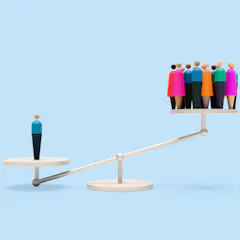
Extreme inequality is commonplace, so why do people accept it?

A psychologist explains why dark political humor doesn’t prove young people are nihilistic, but rather reveals what happens when moral seriousness no longer feels credible.

An anthropologist who conducted fieldwork among Falun Gong practitioners explains the movement’s beliefs and why its followers continue to resist the Chinese government.

Importantly, even if we don’t believe in free will, our sense of accountability stays intact, according to new research.
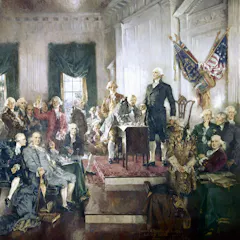
Montesquieu shaped how Americans understood liberty, and his warning about a ‘tyranny of opinion’ speaks to today’s polarization.

Research has found that when you manipulate people to doubt free will, bad things happen – including cheating and aggression. But does it hold up?

Ordinary people, not just technical experts, need to set the moral standards for regulation of AI.

Not all deceptions are equal.

Although Jimmy Donaldson might have you think otherwise, exploiting people for entertainment can’t be morally offset by doing good elsewhere.

Careers and caring don’t always align.
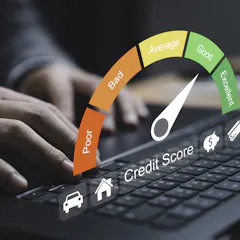
Scores are ubiquitous today, from data in parenting apps to fitness monitors. For some users, those scores start to shape a sense of right and wrong.

Some Afrobeats songs use moral language that softens and normalises cybercrime.

The ancient Greek word phronesis means practical wisdom. It’s about choosing the right action at the right time for the right reasons, helping you apply the other virtues correctly.

Speaking a second language doesn’t impact moral decisions as much as previously thought.

Armed with new tools that reveal patterns of connection between brain areas, researchers are gaining clearer insights into how the brain regulates behavior.

Centuries of management practice were built on cruelty and exploitation. But history also offers a countercurrent – leaders who chose care, fairness and conscience.
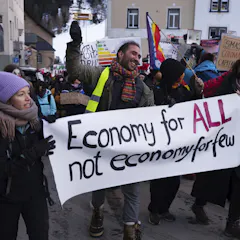
People who highly value equality and purity are most likely to see excessive wealth as wrong, a new study suggests.
Social media bans suggest a resurgence of conservative values in our digital lives. But at what cost to young people’s autonomy, creativity and expression?

The ‘moral foreign language effect’ makes you more rational, and less emotional.
Top contributors
-

Honorary Associate in Philosophy, University of Sydney
-
Professor of Philosophy, Public Policy and Governance, University of Washington
-
Associate Lecturer, University of Notre Dame Australia
-
Professor of Philosophy, La Trobe University
-
Senior Lecturer, Sociology, University of Tasmania
-
Lecturer in Psychology, Australian National University
-
Associate Professor of Philosophy of Education, University of Birmingham
-
Conjoint Senior Lecturer in Philosophy, University of Newcastle
-
Professor of Philosophy, Wake Forest University
-
Associate professor, Universidad Nebrija; UCL
-
Associate Professor of Global Political Economy and Development, University of Leeds
-
Professor in Philosophy, Australian Catholic University
-
Deputy Director, Institute for Ethics, Governance & Law, Griffith University
-
Professor of Philosophy, University of Pretoria
-
Profesor Asociado (Lingüística Aplicada), Universidad Nebrija