
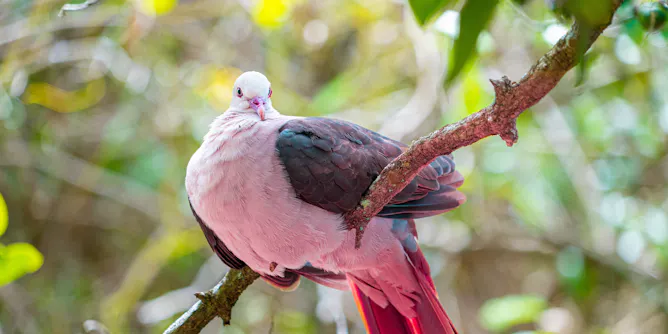
Gene editing could add genetic diversity that can revitalise species on the brink of extinction.
Articles on Mutations
Displaying 1 - 20 of 38 articles

Many people know someone with a genetic disease, but few understand how gene mutations work.

Researchers still don’t know how well BA.2.86 will evade immunity or whether it will cause more severe disease than its predecessors.
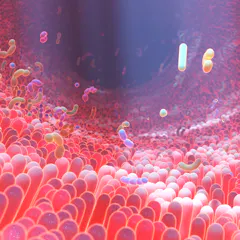
A new study shows that the gut microbiota has little or no effect on our weight, metabolism and risk of developing chronic diseases.
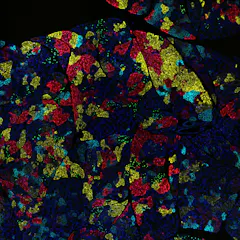
There is no one-size-fits-all approach to treating cancer. Understanding how cancer cells evolve could help researchers develop more effective drugs.

One enzyme plays a key role in how tumor cells replicate and divide indefinitely. Identifying the genes that give these cells their immortality could provide new drug targets to treat cancer.
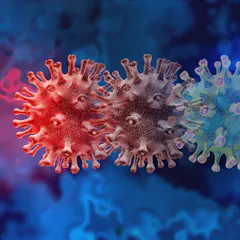
It’s hard to keep up. But new Omicron sub-variants are emerging that may lead to reinfections and another spike in cases.

The new omicron variant of coronavirus has a number of mutations that may require manufacturers to update vaccines. The unique attributes of mRNA vaccines make updating them fast and easy.

Every cancer is different. Grouping cancer mutations by their structure and function could help make treatments more personalized.
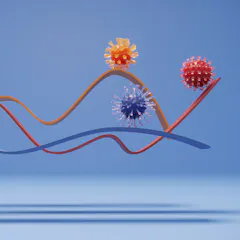
When the coronavirus copies itself, there is a chance its RNA will mutate. But new variants must jump from one host to another, and the more infections there are, the better chance this will happen.

It’s not spreading widely, and it’s not at Australia’s doorstep. The tools we have in place work against the coronavirus.
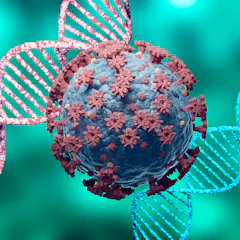
SARS-Cov-2 has experienced roughly the same amount of evolutionary change during the pandemic as humans have since Homo habilis first walked the Earth about 2.5m years ago.

A new coronavirus double mutation found in India is better shaped to invade our cells.

The UK government has claimed the new British variant of the coronavirus may be 30% more deadly.
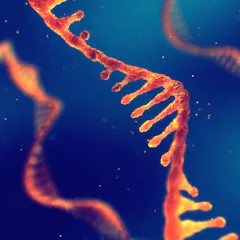
Compared with other RNA viruses, the coronavirus is actually quite stable. So don’t believe the scary headlines about the ‘mutant coronavirus’.
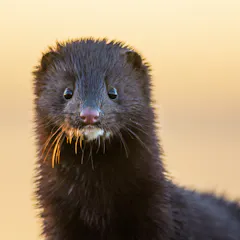
In the disturbing scenario of human-to-mink-to-human COVID-19 transmission, the virus may mutate in mink prior to re-infecting people. That possibility makes vaccine design even more crucial.

A mutating coronavirus has implications for vaccines, treatments, tests and your future plans.
Genome sequencing technologies have transformed biological research in many ways, but have had a much smaller effect on the treatment of common diseases.

Natural selection isn’t the only factor deciding human evolution.

Why was one gene mutation that affects hair, teeth, sweat glands and breasts ubiquitous among ice age Arctic people? New research points to the advantage it provided for ancestors of Native Americans.
Top contributors
-

Lecturer, California State University, Long Beach
-
Senior Lecturer, School of Biological Sciences, Adelaide University
-
Adjunct Assistant Professor of Biological Sciences, Columbia University
-
Professor of Neuroscience, Royal Veterinary College
-
Ph.D. Student, Michigan State University
-
Senior Lecturer in Molecular Biology, Western Sydney University
-
Chair, The Conversation Media Group
-
Postdoctoral Research Fellow, University of Oxford
-
Assistant Research Scientist, Texas A&M Health Science Center, Texas A&M University
-
E.L. Wehner-Welch Foundation Chair in Chemistry, Texas A&M Health Science Center, Texas A&M University
-
Chargée de cours, docteure en psychologie, Université Paris Cité
-
Ph.D. Student in Biological Sciences, Columbia University
-
Doctoral Student in Genome Sciences, University of Washington
-
Ph.D. Student, Michigan State University
-
Doctoral Student in Biochemistry, University of Washington