

The government has introduced legislation that tightens key definitions and make it harder for participants to access the scheme.
Articles on NDIS
Displaying 21 - 40 of 268 articles

Few diagnoses have broadened their diagnostic boundaries as much or as quickly as autism. This has affected those with the most profound disability.

Willy willies, those small tornado-like dust storms often seen in the outback, will pop up all over the political landscape in the next week. Watch out for spin.

The government acknowledges the current market-based model isn’t working. So what changes are ahead for disability accommodation?

The government plans to cut the number of NDIS users by 160,000 over the next four years. Here’s what we know about how they’ll do that and who’ll be affected.

Some participants will start to see changes from July. Here’s what to expect.
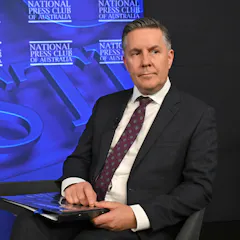
The government has announced significant cuts to the NDIS ahead of next month’s federal budget.

Computers promise to replace fallible human judgement with something more consistent, efficient and fair. But this isn’t always the case.

Could these actions secure the scheme for the future? Or might they create new barriers for the very people the NDIS was designed to empower?
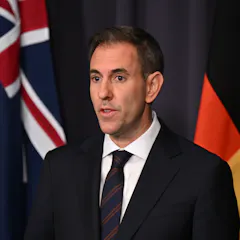
To rein in spiralling costs, the government aims to cut the scheme’s growth rate from 10% to about 5% annually.

Evidence suggests the NDIS led to Australia having some of the highest rates of diagnosed autism in the world.

This year, the National Disability Insurance Scheme is expected to cost taxpayers $50 billion. So what needs to change?

Every autistic child has individual strengths and needs. New research investigates how a category of ‘profound autism’ could impact their diagnosis and supports.

We finally have more detail on how Thriving Kids will work. But families of kids with autism and developmental delay may still be wary.

The deal struck between states and territories and the federal government follows a long-running standoff. Here’s what’s been agreed, and what’s still missing.

A new survey shows parents and carers have strong ideas about how a program for kids with disability could be designed.

A new Grattan Institute report shows how Australia can build a national system of psychosocial supports within five years without spending any more money.

Longer than a magazine piece but shorter than a book, Quarterly Essay shapes our public culture in significant ways.

A new study offers the first clear evidence of how the NDIS may ease pressure on some health services.

Instead of collecting evidence and submitting reports, participants will have an interview with an assessor that lasts up to three hours.
Top contributors
-

Professor, Public Service Research, UNSW
-
Professorial Fellow, University of Canberra
-
Adjunct Professor, Summer Disability Research Centre, La Trobe University
-
Professor, Rehabilitation, Ageing and Independent Living Research Centre and Occupational Therapy Department, School of Primary and Allied Healthcare, Monash University
-
Deputy Director, The Kids Research Institute Australia, Professor of Autism Research, The University of Western Australia
-
Professor, Centre for Disability Research and Policy, University of Sydney; RMIT University
-
Disability Program Director, Grattan Institute
-
Senior Research Fellow, Crawford School of Public Policy, Australian National University
-
Professor & Senior Principal Research Fellow, The Kids Research Institute Australia
-
Professor, Social Policy Research Centre, UNSW
-
Adjunct Senior Research Fellow, Living with Disability Research Centre, La Trobe University
-
Senior Lecturer in Public Policy and Politics, UNSW
-
ARC Research Fellow in Indigenous Health, Disability and Community Development, University of Sydney
-
Senior Lecturer Economics, Deakin University
-
Senior Lecturer of Wellbeing Science, The University of Melbourne