
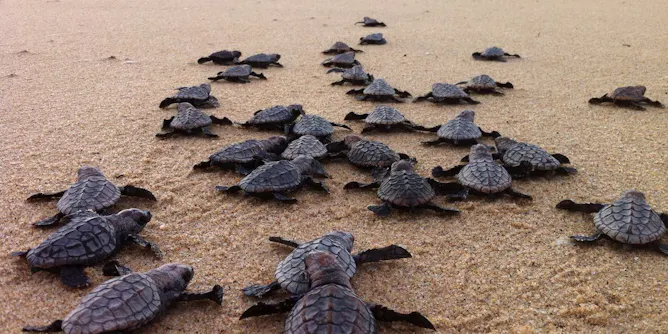
Little is known about the early life of sea turtle hatchlings but a modelling study shows the importance of ocean currents in their journeys.
Articles on Ocean currents
Displaying 1 - 20 of 68 articles
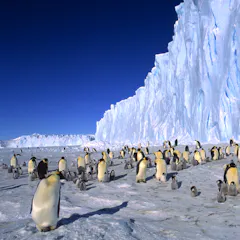
The vast ice of Antarctica has long seemed impregnable. But sudden changes are arriving – from shrinking sea ice to melting ice sheets and slowing ocean currents.

Parts of the Atlantic Ocean are again much warmer than normal, priming Europe for more extreme heat this summer.
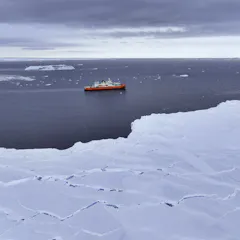
The Antarctic Slope Current shields Antarctica from warm waters. But new research shows meltwater is speeding up the current, which could make it more unstable.

Looking to the stars is an important part of how Pacific voyagers navigate. But deep knowledge of ocean currents, winds and waves, along with mental mapping strategies, are critical too.

Satellites can now track the deep ocean currents around Antarctica that could accelerate climate change.

Scientists are increasingly worried about a potential slowdown of the major Atlantic ocean current. Now we know it would affect the Southern Hemisphere

Part of the system that pumps water, heat and nutrients around the globe is at risk. Climate change could slow the Antarctic Circumpolar Current down 20% by 2050.
Warm, deeper water can shut down the ocean’s natural ‘air conditioner’, putting corals at even greater risk.
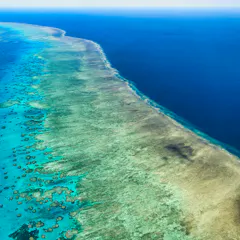
A few reefs on the Great Barrier Reef have been largely untouched by bleaching. We found upwellings of cold water are protecting them – for now
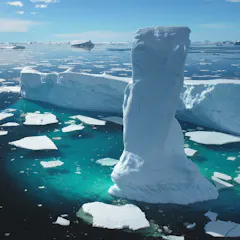
New research shows melting ice is causing the Atlantic Meridional Overturning Circulation (AMOC) to slow down, with widespread consequences for the world’s climate and ecosystems.

Ocean eddy currents are driving extreme heat and cold events in the deeper sea, home to the world’s most abundant animal and its largest migration

The scientific and broader community must join together to advance Southern Ocean science and protect this vital natural asset.

New finding adds uncertainty to projections of how the climate will change in future.
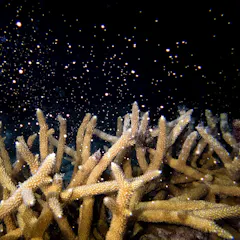
Coral reefs share genetic material across wide areas, with help from ocean currents. This ability is especially important during episodes like the mass bleaching currently occurring.
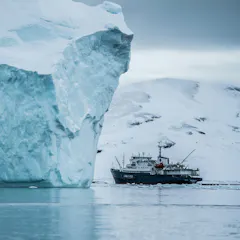
If the ocean circulation, known as AMOC, shuts down, it would be a climate disaster, particularly for Europe and North America. New research shows why that might not happen as soon as some fear.
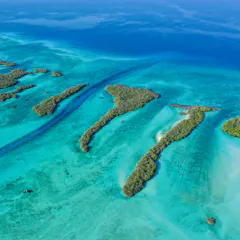
Baby corals may hold promise for building coral reef resilience in Seychelles and beyond.
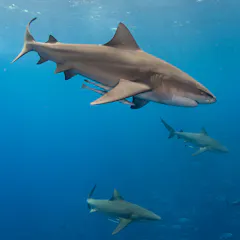
New research shows climate change can drive sudden ocean cooling too. This can have devastating effects on marine life such as bull sharks and manta rays.
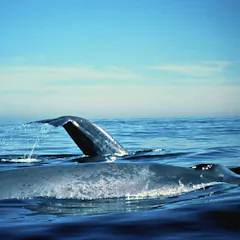
This marine ecosystem is so important it’s one of the main reasons the federal government has greatly reduced the area available for offshore wind farms in the region.
Giant eddy currents in the sea spread heat. But if trapped in place, they can cause marine heatwaves deadly to sea life. And there’s a big one shaping up off Sydney right now.
Top contributors
-

Director of the ARC Centre of Excellence for Our Future Oceans and Scientia Professor in Oceanography, UNSW
-
Professor in Oceanography and Public Engagement, Utrecht University
-
Professor of Coastal Oceanography, The University of Western Australia
-
Professor in Oceanography, UNSW
-
Senior Lecturer in Climate and Fluid Physics, Australian National University
-
Associate Professor, UNSW
-
Professor and Director of ACCESS-NRI, Australian National University
-
Principal Research Scientist, CSIRO
-
Senior lecturer, UNSW
-
CSIRO Fellow, CSIRO
-
Senior Lecturer, North-West University
-
Research Associate, University of Oxford
-
Associate Professor in Earth Sciences, University of Oxford
-
Postdoctoral research associate
-
Professor, National Oceanography Centre, University of Southampton