

Some knee injections for osteoarthritis promise to repair or regenerate the joint. Others claim to decrease pain and make it easier to move.
Articles on Plasma
Displaying 1 - 20 of 33 articles

Fire obviously isn’t a liquid or a solid. In fact, it’s not matter at all – it’s a process.
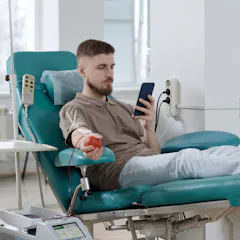
In the future, risk-assessments for whole blood won’t be based on sexual orientation.
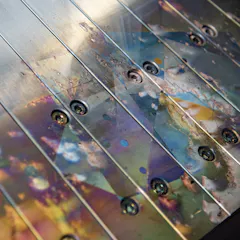
Fusion reactors get hot − scientists need materials that can take the heat without deforming and deteriorating.
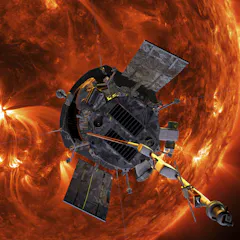
For years, researchers have wondered what energy source allows the solar wind − a projection of charged particles from the Sun − to rush by at hundreds of miles a second.

Sound needs matter to propagate, so the vast vacuum of space is not just empty − it’s silent.

There has been a monumental policy shift in paying blood plasma donors in Canada.

In 2013 stories emerged of gangs stealing plasma TV screens to use to make street drugs. It’s a myth, but it tells us something about South Africa’s social anxieties.
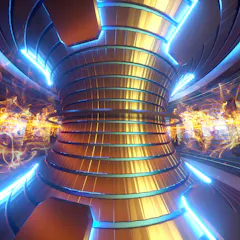
Fusion produces more energy per gram of fuel than any other process that could be achieved on Earth.
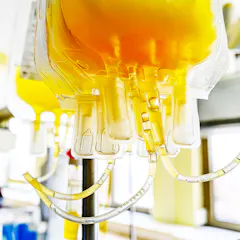
Plasma therapy sounded great at the start of the pandemic. Give COVID patients blood plasma from people who had recovered. But the evidence is in. It doesn’t work.

The touch screen in your phone relies on a very scarce element called indium. But now researchers have used plasma technology to do the same job without the risk that the world will run out.

Alfvén waves, first proposed 80 years ago, could explain why the sun’s atmosphere is so much hotter than its surface.
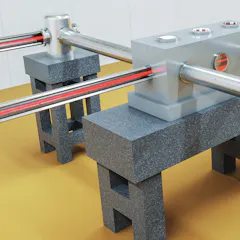
The compact accelerators are 100 times smaller than traditional ones, and could easily fit inside hospitals and laboratories.
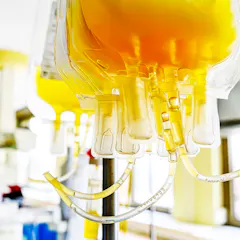
A potential shortage of crucial blood plasma highlights the case for paying Canadians for plasma donations, rather than continuing to import most plasma from the United States, where donors are paid.
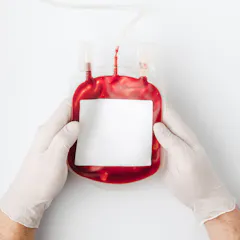
We’re full of blood – around five litres, on average.
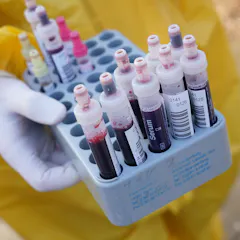
After your body fights off an infection, antibodies remain in your blood. Two researchers explain how tests identify these antibodies and what the data can be used for.
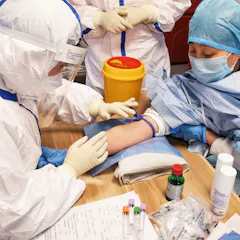
Before a vaccine is available to teach your immune system to ward off the coronavirus, maybe you can directly use molecules that have already fought it in other people.
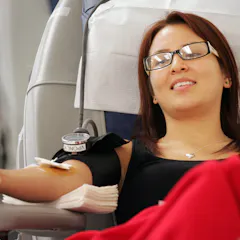
Because most people want to be perceived as generous, sometimes monetary incentives for doing a good deed are counterproductive.
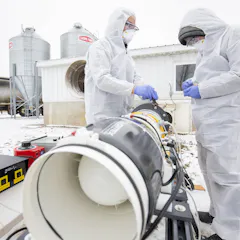
Viruses are small enough to pass through filters, including face masks. Disabling viruses with electrically charged gases could be a better way to curb airborne transmission.
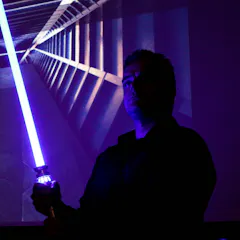
There are many forces in nature, but they may one day be united into The Force.
Top contributors
-

Space Plasma Physicist, Imperial College London
-
Professor at the School of Mathematics and Physics, Queen's University Belfast
-
Adjunct Associate Professor, University of Sydney
-
Assistant Research Professor, Baylor University
-
Adjunct Professor, School of Public Health, University of Technology Sydney
-
Lecturer in Chemical Engineering, Newcastle University
-
Professor of Physics and Vice Provost of Research, Baylor University
-
Reader in Physical Sciences, Aberystwyth University
-
Astronomer, CSIRO
-
Post-Doctoral Research Assistant, Department of Physics, Aberystwyth University
-
Senior Lecturer, Sydney Pharmacy School, University of Sydney
-
Laureate Professor Emeritus, The Peter Doherty Institute for Infection and Immunity
-
Associate Teaching Professor, Georgetown University
-
Lecturer in Math and Physics, CQUniversity Australia
-
Assistant Director of Educational Outreach and Research, Center for Astrophysics, Space Physics, and Engineering Research , Baylor University