

Satellite tracking data was used to look at which ships and boats were active in the Seychelles waters.
Articles on Plastic waste
Displaying 1 - 20 of 123 articles

Even South Africa’s remote sacred springs are not untouched: research found microplastics in all nine tested, including waters used for healing and drinking.
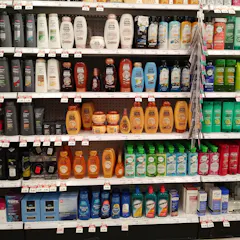
Extended producer responsibility policies are gaining steam in the US, but what they entail can differ widely from state to state.
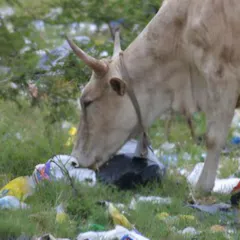
As plastic waste spreads across communal grazing land, smallholder farmers are losing livestock, income and an important source of food and security.

Our whole system is built to reward recyclability. But what actually matters is how much we’re manufacturing in the first place.

Reselling clothes might seem like a green option, but it is not as simple as it sounds.
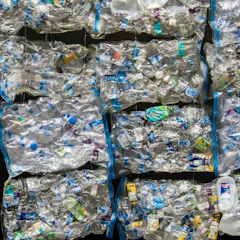
Instead of treating plastic purely as waste, new research shows that it can be transformed into something useful — acetic acid, a key component of vinegar and an important industrial chemical.
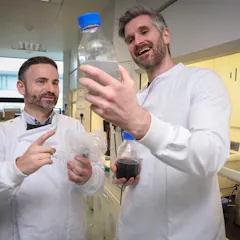
Contamination tolerance shapes the economics of recycling.
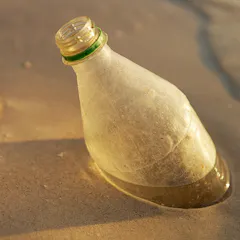
Like the bronze and iron ages, plastic is defining an archaeological era.

Using plastic waste in the Nigerian textile industry would reduce pollution, generate employment, and cut a niche in the world of sustainable fashion.

International efforts to reach agreement on reducing plastic pollution are disappointing. But we don’t need to wait for a treaty to make changes in our own lives.
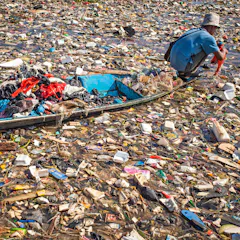
The talks in Geneva may be the world’s last chance to agree a strong treaty to tackle plastic pollution, scientists warn.
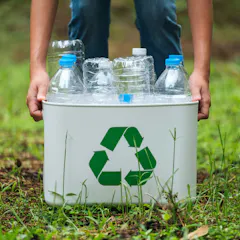
Offering people the chance to win a prize instead of only receiving their deposit back could incentivize more people to recycle more often.
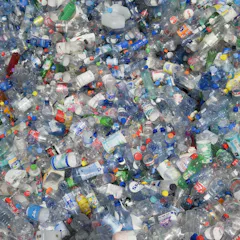
Pyrolysis breaks down plastic and generates potentially useful oil − but it’s not a silver bullet for the planet.

Bioplastics can be made out of natural fibres such as bamboo, hemp, plants or algae.

Burning plastic as fuel for cooking and heating releases toxic chemicals into the air and contaminates food. Yet this is common in many parts of the world.
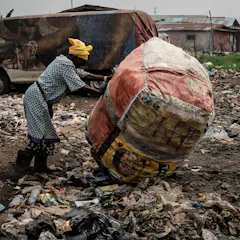
In Nigeria, informal collectors of plastic bottle waste are central to resolving the clash between its environmental costs and economic benefits.

Plastic waste expert Mark Miodowonik explains the history of plastic and why he believes manufacturers must be responsible for making sure plastic is recycled.
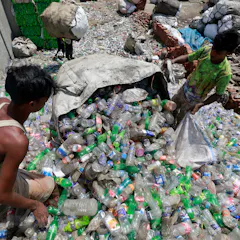
To be truly fair, a global treaty on plastic pollution must tackle the inequalities at the heart of current recycling and waste management systems.
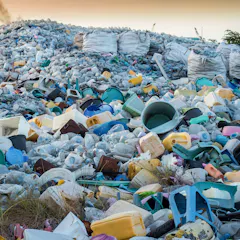
Right now, nations are negotiating the details of a treaty designed to slash plastic waste. One option on the table: tax new plastic to discourage overproduction.
Top contributors
-

Professor of Global Environmental Politics, University of California, Berkeley
-
Senior Principal Research Scientist, Environment, CSIRO
-
Research Chair, Indigenous Approaches to Environmental Management, Keele University
-
Senior Principal Research Scientist, CSIRO
-
PhD Candidate in Environmental Science, Policy, and Management, University of California, Berkeley
-
Professor of Ocean Policy and Economy, University of Portsmouth
-
Professor, Obafemi Awolowo University
-
Professor, School for Resource and Environmental Studies, Dalhousie University
-
Associate Professor in Arts and Sustainability, University of Portsmouth
-
Digital and Communications Manager
-
Associate professor, University of Portsmouth
-
Associate Professor and Research Director, Institute for Sustainable Futures, University of Technology Sydney
-
Research Principal, Institute for Sustainable Futures, University of Technology Sydney
-
Research Fellow at BehaviourWorks Australia, Monash Sustainable Development Institute, Monash University
-
Research Scientist, Stanford University