

Even South Africa’s remote sacred springs are not untouched: research found microplastics in all nine tested, including waters used for healing and drinking.
Articles on Microplastics
Displaying 1 - 20 of 174 articles
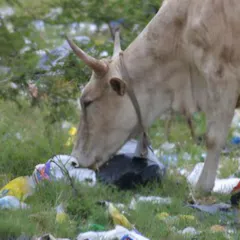
As plastic waste spreads across communal grazing land, smallholder farmers are losing livestock, income and an important source of food and security.
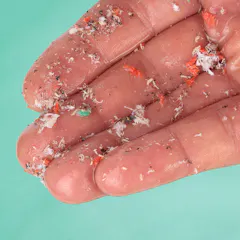
Cigarettes may act as an efficient delivery system for microplastic particles.

Estimates vary as scientists don’t have universal standards for researching microplastics.
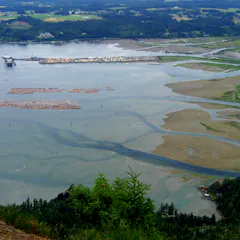
Fibreglass is denser than seawater, and it sinks quickly and accumulates in sediments where many coastal organisms live and feed.

Many hedgehogs have become reliant on human-provided food.
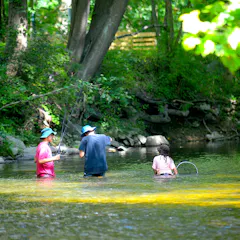
An environmental engineer who mapped microplastic pollution in three of Pennsylvania’s watersheds explains what it means for our health.
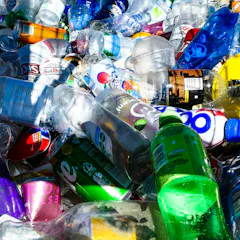
We may need to give the human digestive tract more credit for its ability to act as a barrier to microplastics.

If the gut microbiome is disturbed, it could jeopardise our gut health.
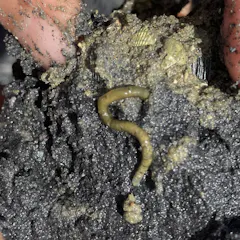
Tiny seafloor creatures play a vital role in coastal ecosystems. New research suggests microplastics may now be interfering with that balance.
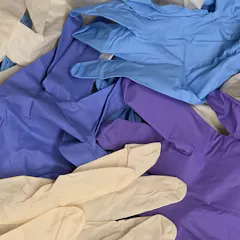
Tiny particles from certain lab gloves look like microplastics, and they can contaminate samples, new study finds.

Certain birds ingest more plastic waste, which causes them harm while transporting it to different locations.
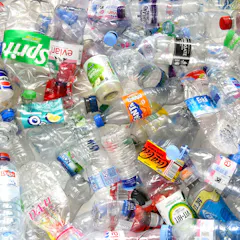
Scientists question whether alarming reports of plastic particles in human organs are accurate or the result of laboratory contamination.

The material of your coffee cup matters more than you might think.

Microwaving food in glass containers is a good idea to prevent microplastics leaching into your food.

Small plastic pellets, used in wastewater treatment facilities since the 1990s, are more than just plastic pollution – they carriy potentially dangerous bacteria.

Some plastic pollution lingers at the ocean’s surface for more than a century.

Researchers developed a new method to remove microplastics from water.

An exception for commercial ring-net fishing in some protected areas of the Hauraki Gulf means they don’t count towards the global goal of protecting 30% by 2030.

The world puts a lot of unnecessary microplastics into the environment − such as glitter in makeup. Even better filters in washing machines could help.
Top contributors
-

Lecturer in Ornithology, Charles Sturt University
-
Assistant Professor of Ecology and Evolutionary Biology, University of Toronto
-
Professor of Animal Development, Leiden University
-
Postdoctoral Researcher at Leiden University, Associate Scientist II at Stowers Institute, Developmental Biology, Molecular Biology and Nanotoxicology, Leiden University
-
Research Chair, Indigenous Approaches to Environmental Management, Keele University
-
Professor of Law and Associate Dean for International Affairs, Wake Forest University
-
Professor in Forensic and Environmental Science, University of Staffordshire
-
Associate Professor in Environmental Sciences, University of Southampton
-
Research Director, Australian Microplastic Assessment Project (AUSMAP); Honorary Senior Research Fellow, School of Natural Sciences, Macquarie University
-
Professor of Sustainable Development, Keele University
-
Associate professor, University of Portsmouth
-
Honorary Professor, School of Natural Sciences, Macquarie University
-
Associate Professor of Lake and Freshwater Science, University of Waikato
-
Senior Marine Ecosystem Services Researcher, Plymouth Marine Laboratory
-
Academic Casual, School of Natural Sciences, Macquarie University