

Right now, nations are negotiating the details of a treaty designed to slash plastic waste. One option on the table: tax new plastic to discourage overproduction.
Articles on Microplastics
Displaying 41 - 60 of 174 articles

The accumulation of micro- and nano-plastics in marine organisms, particularly fish, eventually makes its way onto our plates. What are the health risks?
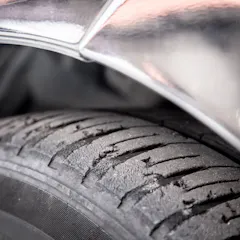
Tiny flakes of plastic, generated by the wear and tear of normal driving, eventually accumulate in the soil, in rivers and lakes, and even in our food.

8 million metric tons of plastic wind up in Earth’s oceans annually, where marine animals are exposed to this pollution and its potential health effects.

How much microplastic does a city produce? To find out, we looked at Brisbane’s Moreton Bay, where microplastics build up without being washed away

Eight out of the 15 brains studied had microplastics in their olfactory bulbs.
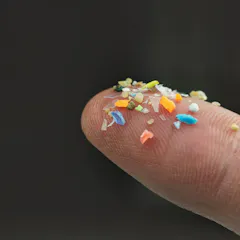
Global action is urgently needed to tackle microplastic – and the problem has never been more pressing.
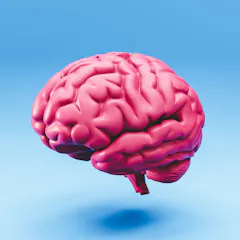
We don’t yet know the health effects of microplastics in the brain. But until we find out more, it’s best to limit our exposure to plastics where we can.
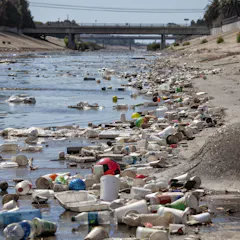
Better measuring standards, more responsibility for producers and an end to single-use products are all positive steps. But the US has not yet endorsed a cap on plastic production.

The growing environmental and health risks posed by microplastics can only be addressed by reducing the amount of plastic produced and ensuring that all of it is recycled.
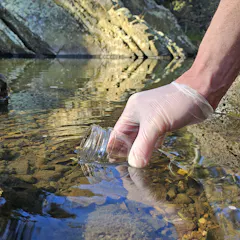
If you’re worried about pollution in the air we breathe, water we drink and food we eat, take time out to explore the evidence of harm and digest some practical advice on how to reduce your exposure.

Brewer’s spent grain, the main waste product from the brewery industry, can be used to produce microbeads, replacing plastic in personal hygiene products.

New research shows an abundance of microplastics in the St. Lawrence River and its estuary, where 45 million people live and is home home to several million animals, invertebrates and plants.

In a world dominated by fast fashion, building a slower wardrobe is the key to living more sustainably, saving money and standing out among the crowd.
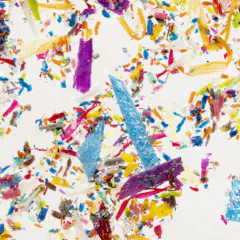
Nanoplastics have been found in the brain, lungs, arteries, semen and placenta. But the harms are still unknown.
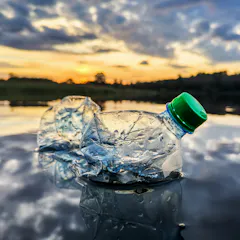
Understanding how plastic pollution moves in rivers is key to effective cleanup strategies.

A new film charts the voyage of an all-women crew who crossed oceans to sample microplastic pollution.

Since coining the term microplastics 20 years ago on May 7 2004, Richard Thompson reflects on the progress being made to halt plastic pollution.

Mountain tourism brings revenues to Nepal but leaves a mess behind. Local and international groups are offering new cleanup strategies.
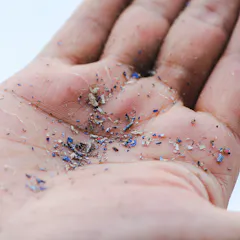
The findings of this recent study adds to a growing body of evidence linking microplastics with health harms.
Top contributors
-

Lecturer in Ornithology, Charles Sturt University
-
Assistant Professor of Ecology and Evolutionary Biology, University of Toronto
-
Professor of Animal Development, Leiden University
-
Postdoctoral Researcher at Leiden University, Associate Scientist II at Stowers Institute, Developmental Biology, Molecular Biology and Nanotoxicology, Leiden University
-
Research Chair, Indigenous Approaches to Environmental Management, Keele University
-
Professor of Law and Associate Dean for International Affairs, Wake Forest University
-
Professor in Forensic and Environmental Science, University of Staffordshire
-
Associate Professor in Environmental Sciences, University of Southampton
-
Research Director, Australian Microplastic Assessment Project (AUSMAP); Honorary Senior Research Fellow, School of Natural Sciences, Macquarie University
-
Professor of Sustainable Development, Keele University
-
Associate professor, University of Portsmouth
-
Honorary Professor, School of Natural Sciences, Macquarie University
-
Associate Professor of Lake and Freshwater Science, University of Waikato
-
Senior Marine Ecosystem Services Researcher, Plymouth Marine Laboratory
-
Academic Casual, School of Natural Sciences, Macquarie University