

Around one in three women report their birth experience as traumatic. And it’s not always related to medical emergencies.
Articles on Post-traumatic stress disorder (PTSD)
Displaying 1 - 20 of 303 articles

When a person’s story about a traumatic event seems fuzzy, they may be experiencing the nuances of how their brain processes trauma.
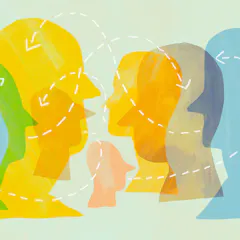
Psychosis is not a diagnosis. It’s a cluster of symptoms that affect how you think and perceive reality.

Christopher Nolan turns Homer’s legendary warrior into a case study of moral injury, a condition that often appears in war veterans who struggle to forgive themselves.

The psychiatrist used to have to stay with the patient during their entire session. Now they’ll be able to leave the room after administering the drug.
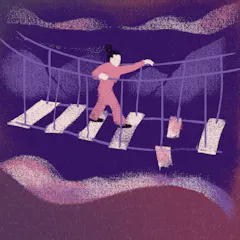
The term is everywhere, but what does it mean? Six guiding principles can help organisations provide care without causing further harm.
In the 1990s, repressed memories sparked a major scientific dispute about how trauma works. Now, the idea is back – with a twist.
Western PTSD treatments typically focus on talking to a therapist about your feelings and emotions. But this doesn’t actually help everyone.
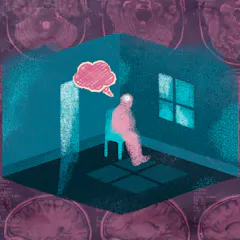
Therapies aimed at reframing negative thoughts may not work for some people with PTSD. New research shows it may be because their brains work differently after trauma.
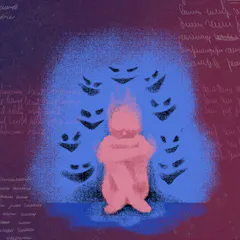
Trauma is everywhere in mainstream vocabulary and online, but its meaning has never been hazier. Has the concept been de-stigmatised or diluted? And does it matter?

Disaster recovery agencies and governments must pay more attention to survivors’ invisible losses: grief, broken communities and disrupted identities.
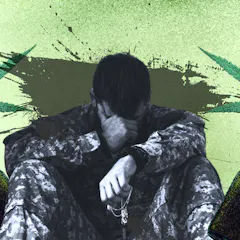
Many Australians are taking medicinal cannabis for their anxiety, depression and post-traumatic stress disorder. But does it actually work?
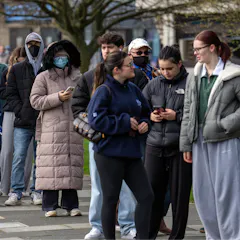
Outbreaks of bacterial meningitis at NZ and UK universities highlight a need for greater understanding and ongoing support for those who survive an infection.

Increasing numbers of Australians are using medicinal cannabis for anxiety, depression, insomnia, substance disorders and more. Is it safe? And does it work?

Trauma survivors who have used EMDR may not get their case heard in court. Here’s what the evidence actually says about this therapy and false memories.

Younger journalists are often most affected in the ‘digital frontline’.

A nurse scientist interviewed 29 formerly incarcerated Black men in Philadelphia to understand how they address their mental health needs.
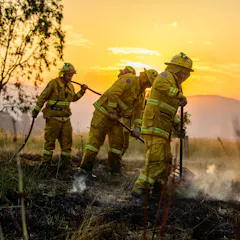
People who work in emergency services, such as firefighters, are more likely than others to develop symptoms of anxiety, depression and post-traumatic stress.
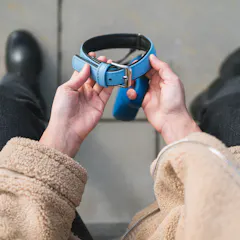
When a pet dies, your world can unravel as you lose your best friend and anchor in a shifting world.

Young people are embracing the ‘healthization’ of all aspects of their lives, from the physical to the emotional and beyond. The trick is finding the right balance.
Top contributors
-

Professor of Psychiatry, Wayne State University
-
Albert E. Kent Professor of Psychiatry, Yale University
-
Distinguished Professor of Pharmacy Practice, University of Connecticut
-
Associate Professor in Clinical Psychology, University of Oxford
-
Professor of Organisational Ethnography, Cambridge Judge Business School
-
Professor & Director, Refugee Trauma and Recovery Program, School of Psychology, UNSW
-
Chair of Clinical Psychology, The University of Melbourne
-
Associate Professor, Paramedicine and Head of Department, Rural Allied Health, La Trobe University
-
Professor & Director of Traumatic Stress Clinic, UNSW
-
Adjunct Professor, School of Psychology UNSW Sydney and Daphne Keats Chair in Cross-Cultural Psychology, University of Newcastle
-
Associate professor, Australian National University
-
Professorial Fellow, Department of Psychiatry, The University of Melbourne
-
Senior Lecturer of Addiction, Edith Cowan University
-
Research Fellow in Digital Pedagogy (Theology), Durham University
-
Professor and Homewood Research Chair in Mental Health and Trauma, Department of Psychiatry and Behavioural Neurosciences, McMaster University