

Gender-based violence responses must include energy access as a structural intervention, not an add-on.
Articles on Poverty alleviation
Displaying all articles
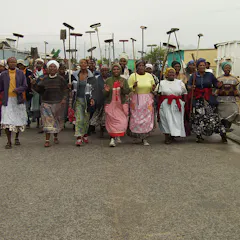
Social transfers don’t operate in a vacuum. They can strengthen trust or erode it, build cohesion or fuel resentment.

South Africa is looking for ways to use social grants to promote economic inclusion.
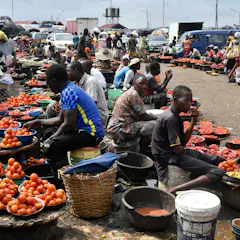
The absence of strong accountability turns anti-poverty programmes into symbolic gestures rather than vehicles of real change in Nigeria.

Insulating attics, replacing windows and adding heat pumps can save money and reduce emissions − if residents can afford the upgrades. Carbon-offset purchases by local companies could help.

South Africa needs policies that look after households that aren’t poor, but are also not financially secure.

Ghana’s housing deficit needs immediate attention.
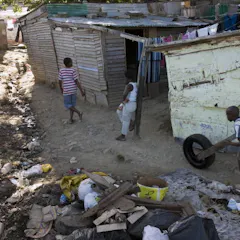
Social enterprises need to be proactive in improving their internal processes and structures. They also need to share essential information.

What’s a polycrisis? We’re in one, and greed and power are undoubtedly worsening it, but our knowledge remains poor. Experts know a lot about individual risks and crises, but not how they interact.
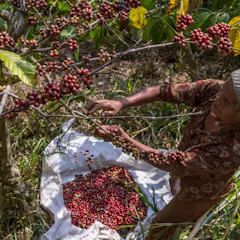
Interventions with good intentions aren’t always fruitful.
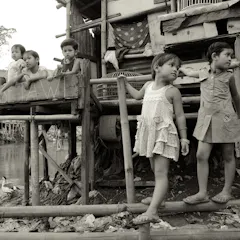
COVID19 threatens to reverse years of Indonesia’s positive trends in poverty alleviation. We highlight lessons from past policies to prevent another poverty hike during the pandemic.

Tax credit refunds are an effective means of ensuring that Canada’s poverty gap, now clearly identified, is addressed for low-income families. So what’s taking so long?

Non-Timber Forest Products don’t often feature in discussions about poverty reduction and alleviation.
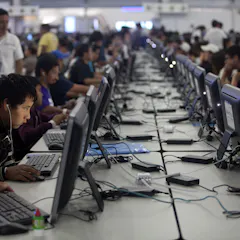
Mexico made internet connectivity a constitutional right in 2013, but most poor people still aren’t online. Research shows that internet access would give these residents more economic mobility.

Without contextual knowledge, education and adaptation, foreign or imposed practices or resources cause new sets of problems.

Continental free trade area’s potential impact includes boosting intra-Africa trade, manufacturing exports, job creation and poverty alleviation.
Top contributors
-

Postdoctoral Research Associate in Public Interest Communications, University of Florida
-
Senior Lecturer, Education, Arts, Literacies, University of Glasgow
-
Climate Finance Advisor- Fiji, Contracted through Commonwealth., University of Glasgow
-
Distinguished Fellow at Stanford University's Center for African Studies, David M. Rubenstein Fellow at the Global Economy and Development and Africa Growth Initiative at the Brookings Institution, and Young Global Leader of the World Economic Forum, Stanford University
-
Associate professor of logistics, Nelson Mandela University
-
Associate Professor of Economic Geography, School of Geosciences, University of Sydney
-
Professor, University of Fort Hare
-
Professor of Development Economics, Monash University
-
Planner at Directorate of Poverty Reduction and Social Welfare, National Development Planning Agency (BAPPENAS)
-
Senior Lecturer, University of Pretoria
-
Head of Faculty Gordon Institute of Business Science, University of Pretoria
-
Assistant Professor of Rural Sociology, Wageningen University
-
Associate professor, Institut Teknologi Bandung
-
Lecturer, Kumasi Technical University
-
Post-Doctoral Fellow and Polycrisis Lead, Cascade Institute, Royal Roads University and University of Waterloo, University of Waterloo