
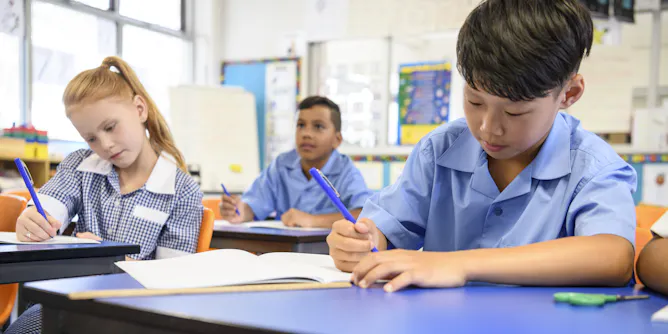
For some families, NAPLAN results will confirm what they already know. For others, they may contain surprises or raise concerns.
Articles on Primary education
Displaying 1 - 20 of 33 articles
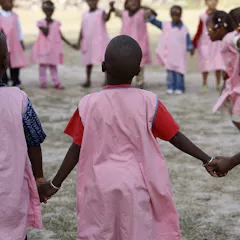
Deep-seated cultural practices – such as female genital mutilation and child marriage – prevent girls from making progress in school.
Science fiction books can inspire more children to become scientists if authors and illustrators do a better job of depicting characters from diverse backgrounds.
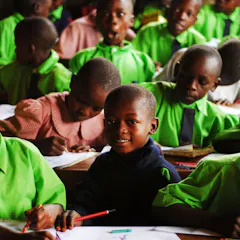
Parents are enablers, motivators and facilitators of their children’s education.

Many primary school PE lessons have been outsourced to private sports contractors, resulting in the ‘deskilling’ of a generation of teachers.
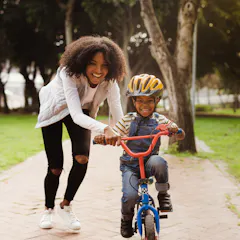
Accessing “knowledge-rich” content assumes language and literacy competencies that take time for children to develop. Childhood cannot be rushed.
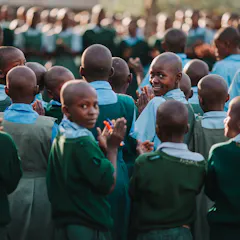
Overcrowding can have severe negative consequences for the education and safety of learners.
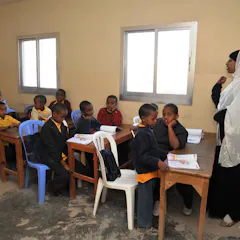
Due to its lack of international recognition and its limited financial capacity, Somaliland’s administration isn’t fully capable of supporting the education sector
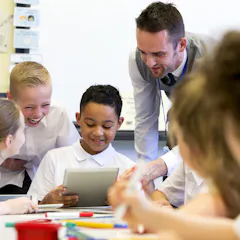
It has been predicted we will need 1,627 more classes for primary students nationally before 2025, and to respond to this demand we need to fix the gender imbalance in the teacher workforce.
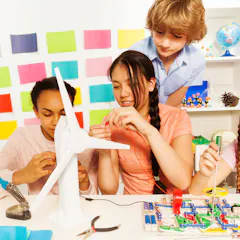
We need to address issues like access to resources, teacher professional development and ageing classrooms to get the full benefit of STEM education in primary schools.
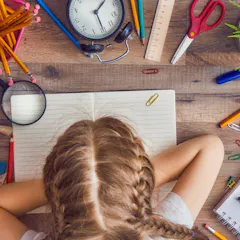
Writing is a fundamental outcome indicator of learning across subjects and grades. The latest NAPLAN results tell us we need to do more to empower children with these skills.

Advice from five education academics on what the new secretary of state should prioritise.
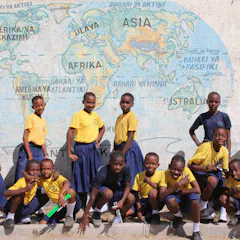
Some believe children who are first-generation learners with illiterate parents are not capable of greatness. But some of the cleverest, most committed and most creative children come from slum areas.
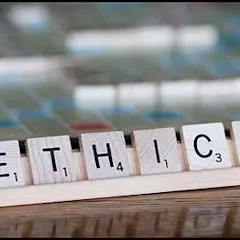
The debate about ethics classes in schools risks placing ethics in opposition to religion, whereas the classes will ultimately benefit all.
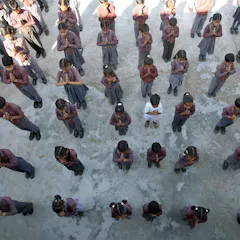
Discussions at the World Education Forum in South Korea will shape the future of millions of young people.
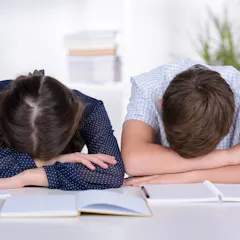
Reading capability is vital for young people to be able to access and engage with the curriculum by the end of primary school and even more so at secondary school. But the data we have indicates that a…
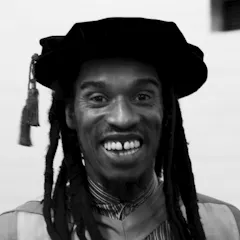
While facts and figures are useful to understand the scale of the refugee problem, for most people it’s the personal angle that they best relate to. But this personal angle, and the sympathy and understanding…
Students that go to schools that avoid gender stereotyping are more likely to accept their talents as part of their identity…
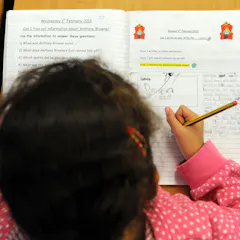
The coalition government is to introduce the testing of young children soon after they enter primary school at the age of four or five. English children are already tested far more than children in most…
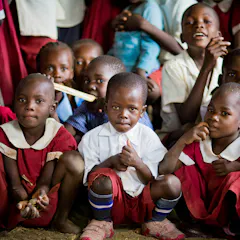
During the run up to Kenya’s 2002 general elections, presidential candidate Mwai Kibaki promised to make primary education free for all Kenyans. True to his word, when his coalition won the election and…
Top contributors
-

Research Scientist, African Population and Health Research Center
-
Professor of Education and Public Policy, Durham University
-
Postdoctoral Fellow in Economics, London School of Economics and Political Science
-
Lecturer - Scholarship of Learning and Teaching, Queensland University of Technology
-
Associate Professor, Teacher Education, University of Technology Sydney
-
Professor of Intellectual Property and Innovation Law; Director Centre for Intellectual Property Policy and Managament (CIPPM), Bournemouth University, Bournemouth University
-
Lecturer, Communication and Conflict Management, Mount Kenya University
-
Professor of Education, Durham University
-
Emeritus Professor, ARC Centre of Excellence for Gravitational Wave Discovery, OzGrav, The University of Western Australia
-
PhD student, University of Essex
-
Professor of Post Compulsory Education, UCL
-
Emeritus Professor Miraca Gross, UNSW
-
Professor, Department of Early Years and Primary Education, UCL
-
Associate Lecturer, University of Notre Dame Australia
-
Reader in Educational Improvement, Institute of Education, UCL