

New research charts how preferences have changed over the past 45 years, and where they stand now.
Articles on Psychosis
Displaying 1 - 20 of 48 articles

A new study showed that for people who were susceptible to psychosis, cannabis use in their 30s was associated with an earlier onset of psychosis by 6.3 years.
Psychosis is not a diagnosis. It’s a cluster of symptoms that affect how you think and perceive reality.

Research shows media coverage of AI chatbot use and mental health focuses on instances of user psychosis and suicide.
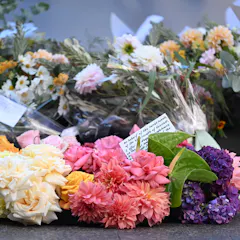
The tragedy has again exposed a system that doesn’t reach out to those who are most unwell.

Australia’s response to mental illness is still hospital-centric. Treating more patients in their homes is a step in the right direction.

The life expectancy gap is due largely to preventable health issues, not suicide.

Dopamine clues reveal a common thread in psychosis.

A new study shows that simply knowing we are being watched can unconsciously heighten our awareness of other people’s gaze.

The creation of delusions may involve a fair bit of rational thinking.

The winner of this year’s Miles Franklin Literary Award will be announced this evening. Astrid Edwards takes you through the contenders in our annual expert guide to the shortlist.

Alcohol and tobacco use carries significant health risks but they’re legalised – so why not cannabis? Despite the concerns, decriminalising cannabis could have public health benefits.

Research suggests magicians lack magical thinking.

People who developed diabetes, psychosis and congestive heart failure, in that order, experienced the largest reduction in life expectancy

The international Hearing Voices Movement has spent the past decades campaigning to destigmatise a surprisingly common phenomenon.

Some people believe their hand doesn’t belong to them. Others think bugs are crawling under their skin.

Antipsychotics can have severe side effects, there’s a lack of guidance on how to stop taking these drugs safely.

People who get COVID continue to face increased risks of developing some neurological and psychiatric conditions, like psychosis and dementia, for up to two years afterwards.

Mental health labels can be powerful and hurtful. We sat down with young patients, families and doctors to brainstorm new names for mental health conditions.

Typically, people who experience psychosis encounter it in young adulthood or alongside dementia later in life. Post-COVID psychosis can hit adults in their middle years.
Top contributors
-

Associate Professor, Brain and Mind Centre, University of Sydney; University of Canberra
-
Adjunct Research Fellow, School of Public Health, The University of Queensland
-
Professor; NHMRC Clinical Research Fellow; NICM Health Research Institute Deputy Director, Western Sydney University
-
Professor of Psychiatry, The University of Melbourne
-
Professor of Clinical Psychology, University of Liverpool
-
Reader in Psychology and CSHS Research Excellence Coordinator, Cardiff Metropolitan University
-
Clinical Professor, Cardiff University
-
Senior Research Fellow, Orygen, The University of Melbourne
-
PhD Candidate, The University of Queensland
-
PhD Researcher, Cardiff University
-
Professor of Child and Youth Psychiatry
-
Lecturer at Liverpool John Moores University, Liverpool John Moores University
-
Adjunct Professor of Education, Saint Mary’s University
-
Professor of Population Mental Health, The University of Queensland
-
Senior Clinical Research Fellow, Department of Psychiatry and Faculty of Philosophy, University of Oxford