
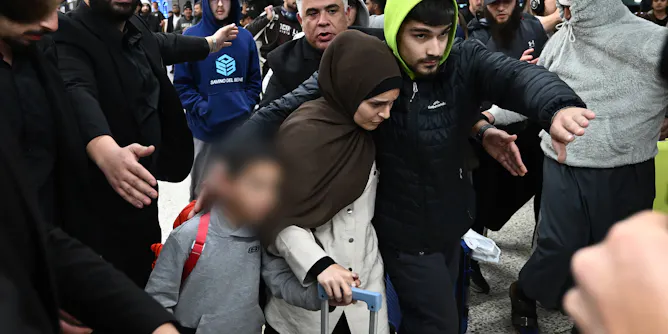
So-called ‘de-radicalisation’ programs are complex and can differ depending on the age and location of the people involved.
Articles on Radicalisation
Displaying 1 - 20 of 149 articles

Police have charged a man with throwing a homemade bomb into a protest crowd. It’s the alleged result of an increasingly complicated style of terrorism.
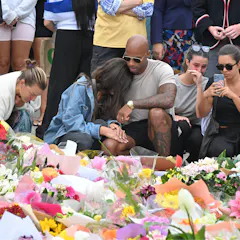
After weeks of mounting pressure, the government has called a royal commission into antisemitism and social cohesion. It must involve tackling uncomfortable issues.

The language and rhetoric of extremists helps fuel brutal, often deadly, violence. Spotting the strategies can help protect people from radicalisation.

The online radical right is turning a perennial problem into a moral panic.

Security crackdowns may miss the root cause of radicalization.
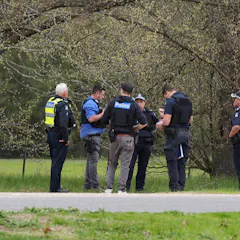
The alleged shooter in the Porepunkah police killings was reportedly a sovereign citizen - a group with often deep antagonism towards authority figures.
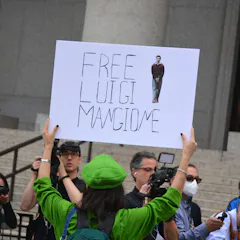
Our research found a link between burnout and support for extremist violence.

Many young people are radicalised through personal relationships, rather than online. It’s our responsibility as a society to protect them.

Ghana stands out in west Africa as a nation that hasn’t experienced terrorist attacks. Its proactive, multi-faceted strategies offer a blueprint for neighbours.

If you’re a parent worried about your child’s unfamiliar online world, a fear-based response is unlikely to work. What is needed is open communication.

At the centre of the new Netflix show is a devastating truth: the most dangerous place in the world for a teenager is alone in their bedroom.

The New Orleans attack is a reminder of the continued threat from Islamic State.
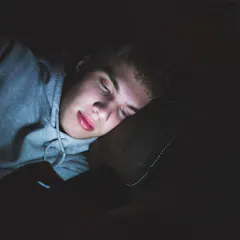
A new report from the Five Eyes nations details cases of young radicalisation across the western world. It emphasises the role parents can play in stopping it in its tracks.

The rise of misogynist attitudes among Australian boys occurs alongside an existing crisis — endemic levels of gender-based violence and murder perpetrated against women.
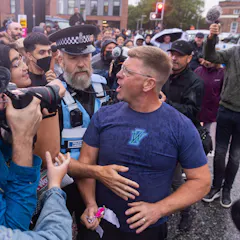
Researchers are trying to understand what makes this group so vulnerable to falling for fake news online.

People who dive into misinformation are driven to satisfy an emotional need, according to our new research.

Five years on from the attacks, a detailed investigation of the shooter’s online radicalisation shows he was openly posting about his plans. Why was it missed and what can we learn?
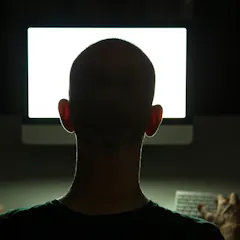
Research using the records of offenders shows a shift online but also towards less committed adherence to extremist causes among offenders.

The internet has been heralded as liberation technology and accused of undermining democracy. The available research shows it is a bit of both.
Top contributors
-

Visiting Fellow, Department of Political and Social Change, The Philippines Institute, Australian National University
-
Professor, Coventry University
-
Professorial Fellow, School of Arts and Humanities, Edith Cowan University
-
Associate Professor, Griffith Criminology Institute, Griffith University
-
Associate Professor, School of Criminology, University of Leicester
-
Lecturer in Politics, Philosophy and Religion, Lancaster University
-
PhD, PhD - researcher and analyst, Edith Cowan University
-
Associate Professor, School of Social Science, The University of Queensland
-
Professor of Contemporary European History, University of Oxford
-
PhD Researcher, International and Political Studies, School of Humanities and Social Sciences, UNSW
-
PhD Candidate in Politics and International Relations, Monash University
-
Honorary Senior Research Fellow, School of Law and Social Justice, University of Liverpool
-
Professor of Religious and Secular Studies, Lancaster University
-
Senior Lecturer, Department of Sociology and Criminology, City St George's, University of London
-
Professorial Fellow, University of Canberra