

New Zealand’s shift to community-based sentences has cut costs, helped offenders to retain work and higher earnings, with no major change to substantive reoffending.
Articles on Reintegration
Displaying all articles

Nigeria has a policy of de-radicalisation of former Boko Haram fighters, but overlooks the voices of soldiers who have to carry out the policy.
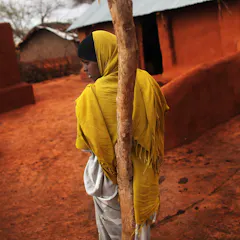
Depression can severely hinder the ability of refugees to rebuild their lives and integrate into host communities.

Community notifications are intended to be helpful, however, they can also make reintegrating back into the community challenging for released individuals.

In some OECD countries, workers suffering from depression and burn-out make up than two-thirds of those absent for mental-health reasons. Successful reintegration strategies can help them come back.

British Columbia’s proposed ban on name changes could impact people’s Charter rights and undermine the rehabilitation and reintegration of those convicted of crimes.

Individuals, the government, faith-based groups and NGOs all offer support to those who have fled the herder-farmer conflict.

For a successful reintegration of former Boko Haram combatants into society, public perceptions in Nigeria need to change.
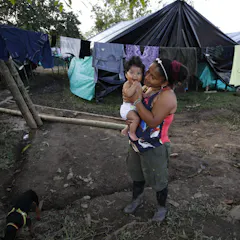
Reintegration is a gendered phenomenon — women, men and LGBTQ+ people experience it differently.
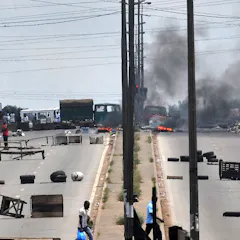
Based on the Cote d'Ivoire experience, the United Nations must reconsider its emphasis on coordinating reintegration and transitional justice irrespective of the post-war context.

The skills that former child soldiers gain in wartime can be useful as they reintegrate into society.
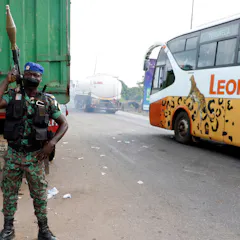
Côte d'Ivoire’s government needs to provide different incentives and opportunities to former combatants.
Top contributors
-

Research Fellow, KU Leuven
-
Assistant Professor, Criminology, Toronto Metropolitan University
-
Senior Lecturer, Political Science and International Relations, University of Canterbury
-
PhD Candidate, Criminal Justice, University of Canterbury
-
Professor, Department of Psychology, MacEwan University
-
Assistant Professor, Swedish Defence University
-
Researcher, University of Ibadan
-
Senior Lecturer in Criminology and Policing, Teesside University
-
Research associate, Department of Sociology, Rhodes University
-
Professor in occupational medicine , KU Leuven
-
Postdoctoral Researcher, Research Network on Women, Peace and Security, McGill University
-
PhD Candidate and Freelance Political Risk Analyst, King's College London
-
Postdoctoral Research Fellow, Harvard University
-
PhD candidate, University of Oxford
-
PhD candidate, Norwegian University of Life Sciences