
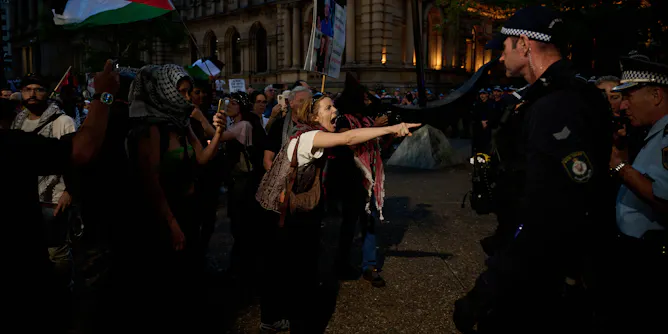
Multiple states have moved to tighten protest rules and increase police powers. But these laws aren’t adequately balancing public safety with human rights.
Articles on Right to protest
Displaying 1 - 20 of 24 articles
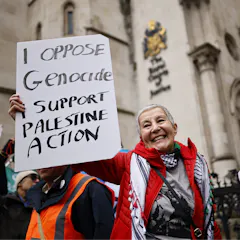
The court found Palestine Action’s activities had not yet reached the level, scale and persistence that would justify proscription.
A proposed law change would criminalise protests near private residences. But laws against disruptive or violent protest already exist, so what’s the point?
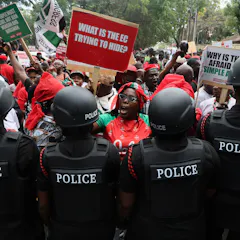
Ghanaian police and judicial practice treats the right to protest as less valuable than the restrictions that may be applied.
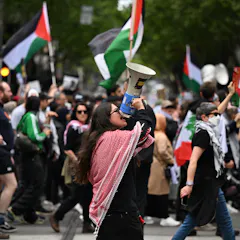
Bill Shorten made headlines by suggesting states should adopt a permit system for protests. Here’s what protest legislation looks like nationally and what international laws say about it.
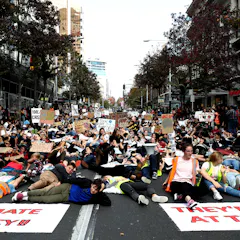
Police have warned climate protesters could face up to 14 years in jail for ‘endangering transport’ – longer than the maximum for serious crimes like ram-raiding.

Ongoing criminal proceedings in Canada and the U.S. tied to high-profile uprisings must shed light on how large protests can avoid incurring the full wrath of the state.
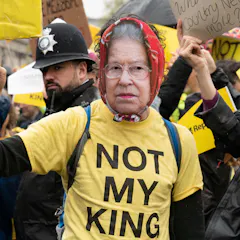
An expert on protest law explains what the arrests of anti-monarchy activists tell us.
Publisher Ernest Moret was detained under terrorism powers for taking part in protests against Emmanuel Macron’s pension reforms.
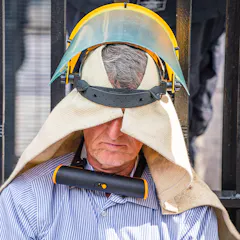
A legal expert explains how climate activists could use the government’s own legislation to their advantage.

The 1982 Franklin Dam protests were a defining moment in the history of Australia’s social movements. But such campaigns may well be impossible today.
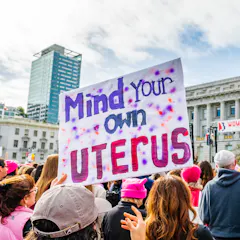
From protest marches and fundraising to parliamentary petitions and talking with friends, there are many ways to make your voice heard.
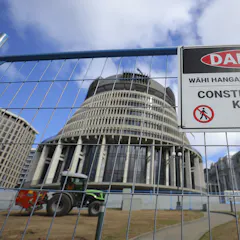
New Zealand has more laws about respecting the flag than about protecting parliament and its grounds. The 23-day occupation in Wellington showed how much needs to change.
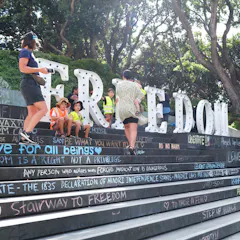
The prime minister and police have asked that children be removed from the protest at parliament – but the situation is legally and logistically complex.

There have been bigger protests in other Canadian cities, but the so-called freedom convoy against vaccine mandates could be a sign of a rise in right-wing and libertarian sentiments.
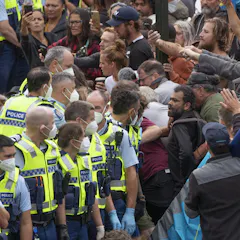
With the occupation of parliament grounds entering its second week, police walk a thin blue line between enforcing the law and not inflaming the situation.
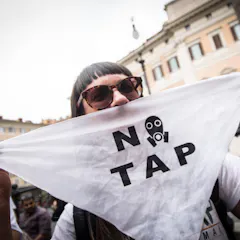
A criminologist spoke to anti-gas pipeline activists.
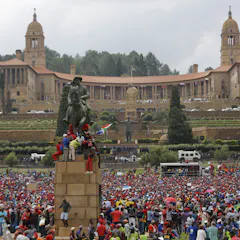
To build a political culture that supports democracy in South Africa, civic education needs to move beyond voter education.
From his positions at the United Nations, Professor Heyns made a huge impact on the protection of the right to life and the right of peaceful assembly.
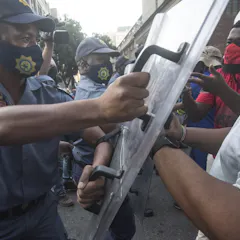
Instead of being a democratic right and legitimate form of expression, protests have increasingly been framed as threats to national security.
Top contributors
-

Professor of UK Human Rights Law, University of East Anglia
-
Associate Professor of Law, Member of Deakin Cyber and the Centre for Law as Protection, Deakin University, Deakin University
-
Professor of Law, University of Waikato
-
Professor of Law, University of Waikato
-
Professor of human rights law, University of Pretoria
-
Chief Research Specialist in Democracy and Citizenship at the Human Science Research Council and a Research Fellow Centre for African Studies, University of the Free State
-
Professor, School of Public Policy and Administration, York University, Canada
-
Professor of Sociology, University of British Columbia
-
Head of Research, Freedom from Violence, University of Pretoria
-
Senior Lecturer in Health Research, Birmingham City University
-
PhD Candidate, Murdoch University
-
Professor of Political Studies, University of Johannesburg
-
Lecturer in Criminology, Edith Cowan University
-
Senior Lecturer in Criminology, University of Essex
-
Reader in Constitutional Law and Human Rights, University of Birmingham