
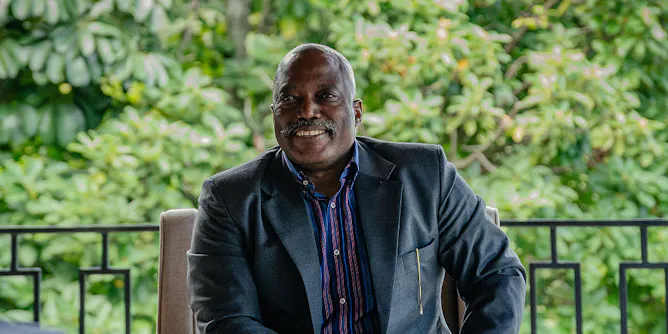
Accusations of treason against former DRC president Joseph Kabila are evidence of the fallout between him and his successor.
Articles on Rwanda-DRC conflict
Displaying 1 - 20 of 21 articles
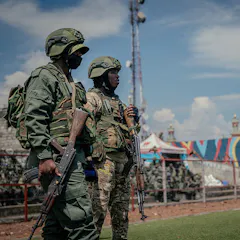
Sustained diplomacy is needed to make current peace efforts work more effectively in the DRC.
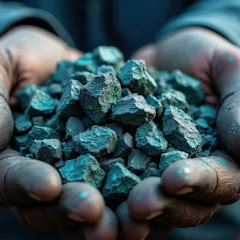
African nations need to negotiate contracts that ensure they hold on to the power their resources bring.
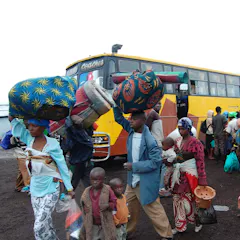
A lasting resolution should not be expected when only a few conflict parties have concluded an agreement.

The latest peace deal between the two neighbours provides concessions and demands that are perhaps easier said than done.
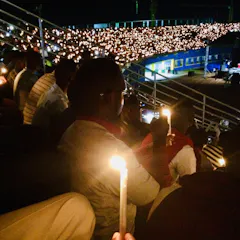
Genocide remembrance practices like Kwibuka remain meaningful to survivors.

Rwanda’s government has blamed Belgium’s colonial rule for the ethnic divisions that sparked the 1994 genocide.
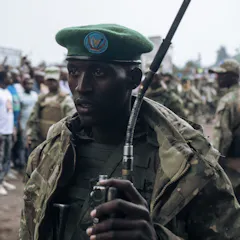
M23’s advances highlight Rwanda’s role in the Democratic Republic of Congo, and the risk of an escalating regionalised conflict.
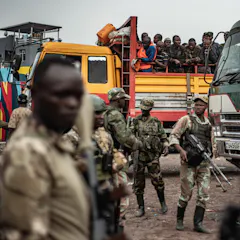
Current initiatives to bring peace in eastern DRC have been ineffective as they are routinely violated.
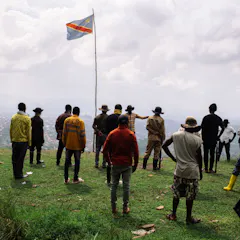
Merely absorbing armed groups into a reserve force does little to address the underlying causes of the eastern DRC crisis.
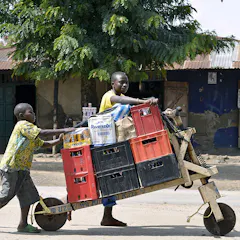
M23 strategies allow the rebel group to control local governance and to generate revenues from the local economy, including rents from North Kivu’s mineral wealth.

Temporary ceasefire should be seen more broadly as a window to further engage with all parties to find long-term solutions.
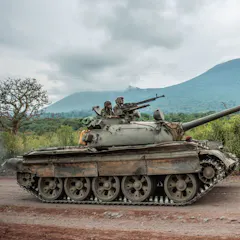
High military spending can sap resources meant for education, healthcare and infrastructure.
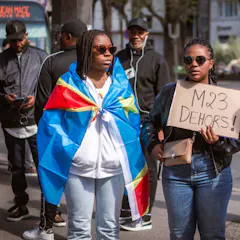
For the vulnerable millions in eastern DRC, it is not enough that international courts exist.

Regional rivalries have functioned as oxygen, allowing the rebel group to survive and grow.
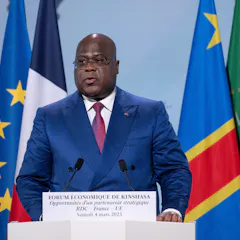
Plenty remains to be done to improve the lives of Congolese citizens.
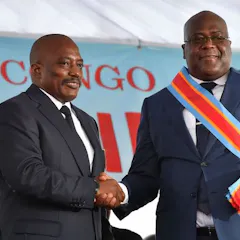
Laurent Kabila and his son Joseph were the Democratic Republic of Congo’s third and fourth presidents.

Central to the DRC’s politics is a broken relationship between the seat of government in Kinshasa and underrepresented groups in the eastern region.
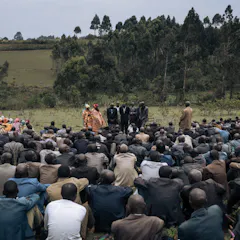
The Banyamulenge have been viewed as strangers in their own country – the violence targeting them revolves around this misconception.
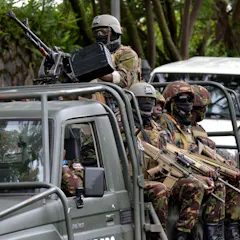
Consolidating peace efforts across the vast territory has proved difficult for close to three decades. Scholars explain why.
Top contributors
-

Postdoctoral Research Associate, King's College London
-
Visiting Researcher, University of Leeds
-
Lecturer in Political Science, Binghamton University, State University of New York
-
Professor in International Development, University of Antwerp
-
Research Director of the Insecure Livelihoods Project, Ghent University
-
Adjunct assistant professor, Roskilde University
-
Lecturer in African History, Queen Mary University of London
-
Researcher, IPIS
-
Senior Researcher and Acting Programme Director, Military Expenditure and Arms Production Programme, Stockholm International Peace Research Institute
-
Senior Program Officer, University of Basel
-
Assistant professor, Utrecht University
-
Research Affiliate, University of Pretoria
-
Lecturer, UMass Boston
-
Senior Lecturer in International Law, The University of Western Australia
-
Director of the Mandela Institute, Professor of Law, University of the Witwatersrand