

Universities and colleges won’t necessarily pay students to sleep. But they can offer other incentives that encourage them to close their eyes earlier.
Articles on Sleep research
Displaying 1 - 20 of 31 articles

It might seem like a weird thing to do, but more than two-thirds of people have talked in their sleep at some point.
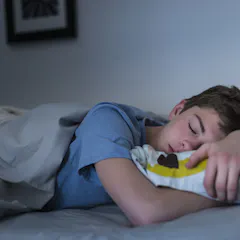
Media articles can present adolescent sleep issues as both a normal part of growing up and a sign of deeper problems. How should parents make sense of it?
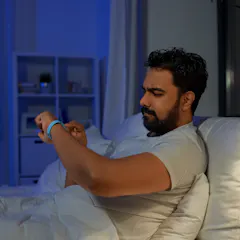
Your smartwatch or ring promises to tell you how well you slept. But how?

Even one night of inadequate sleep can shift your hunger into overdrive, setting off a chain reaction in the brain. But one or two nights of solid sleep can help reset metabolism.
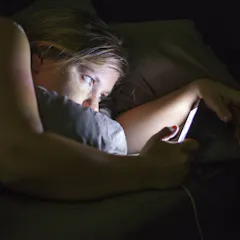
Research suggests that how often people check social media − and how emotionally engaged they are with it − can influence sleep even more than how much time they spend online.

Night matches at the Australian Open are a great spectacle, but sleep disruption is likely to wreak havoc even on professional athletes.

Most teens aren’t getting enough sleep, leading to poorer academic performance. Early school start times combined with natural changes in hormones and the circadian rhythm could be to blame.
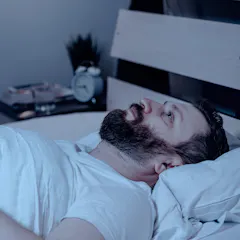
It turns out people who sleep well and those who sleep poorly have different kinds of thoughts before bed.
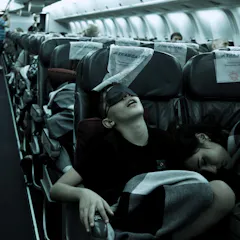
A sleep scientist explains how to maximise your chances of getting decent rest while trapped on a plane.
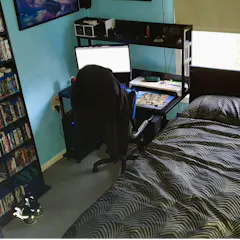
Almost half of the participants in a study of bedrooms said they have or might have a sleep problem and they would prefer not to use the room for multiple activities.
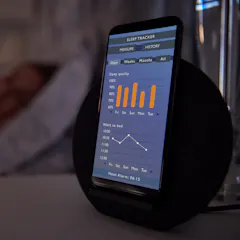
Sleep is important for health, but the heavy focus on getting enough sleep and tracking our sleeping patterns could make it more elusive.

An effective alarm is one which should minimise ‘sleep inertia’ – that stage of grogginess we feel between being asleep and becoming fully alert.

Too much time studying isn’t good for you or your grades. The challenge is to find the best balance of study, sleep and other activity to improve learning without compromising well-being.

Kids may not be able to communicate when they’re sleepy, or perhaps can’t even identify this. Then there’s always the fear of missing out on things going on in the waking world.

To keep our health care providers healthy, we need to help them sleep.

One in four children will experience sleep problems before their 10th birthday. Here are the top factors, plus steps parents can take to give their kids (and themselves) a good night’s sleep.
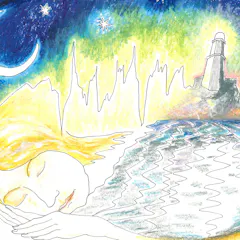
Listening to other people’s dreams can help to improve your empathy levels.

Our body knows how it is moving and where it is because of a sense called proprioception, a ‘sixth sense’ that helps your body know where it is in the world. And it works even while you’re asleep.

The most interesting part of our body that changes during sleep is our brain.
Top contributors
-

Professor of Sleep and Physiology and Director of Surrey Sleep Research Centre, University of Surrey
-
Associate Professor of Neurology, University of Pittsburgh
-
Professor in Fatigue Management and Sleep Health/Associate Dean, Research, Te Kunenga ki Pūrehuroa – Massey University
-
Professor, Monash University
-
Consultant Paediatrician and Conjoint Lecturer, UNSW
-
Associate Professor, Department of Physiology, Monash University
-
Emeritus Professor of Psychology, University of Florida
-
Professional Research Fellow, Victoria University
-
Conjoint Senior Lecturer, School of Medicine and Public Health, University of Newcastle
-
Sleep Psychologist and Researcher, The University of Melbourne
-
Research Professor and Director of the Behaviour-Brain-Body Research Centre, Adelaide University
-
Senior Lecturer in Industrial Design, UNSW
-
Professor of Psychology, Swansea University
-
Director, Appleton Institute, CQUniversity Australia
-
Associate Professor at Turner Institute for Brain and Mental Health, School of Psychological Sciences, Monash University