

A statistic from a 2010 study is doing the rounds again. But is it helpful?
Articles on Smoking
Displaying 61 - 80 of 341 articles

University students are particularly at high risk of depression. One global study suggests 21% of students have major depressive disorder.

If we are to reduce the numbers of Aboriginal and Torres Strait Islander people smoking we need to consider a whole suite or approaches.

Many people who vape saying they are trying to quit or to cut down on cigarettes.

A pipe in the hand could end or save a life.

A growing body of evidence shows vaping is not without harms.

It’s often said if cigarettes were invented tomorrow, and we knew now what we didn’t know then, they would be banned outright. But vaping is showing us we’re repeating the same mistakes.

In the 1980s and 90s, legal action and awareness helped shift attitudes to tobacco smoking. We have laws against vaping in smoke-free places but the attitude shift is lagging.

Companies selling e-cigarettes are marketing their products to teenagers and young adults.

How providing information on the health risks of vaping through expert advice and personal testimonies can help steer students away from using e-cigarettes.

While lung cancer rates have decreased by 43% in men, they have risen by 79% in women. New screening guidelines and recognizing early symptoms can help address the changing face of lung cancer.

Here are some simple things you can do everyday to help your immune system fight off infections.

Big Tobacco’s efforts to rehabilitate its image should not go unchallenged because the tobacco industry’s goal remains advancing corporate profit at the expense of public health.
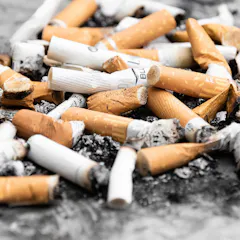
Australia’s approach is welcome but doesn’t go far enough. New Zealand’s plans are much bolder. Here’s how they compare.

Health guidelines can feel contradictory and hard to interpret. But a new star rating system should help consumers and policymakers better parse the evidence behind health risks and outcomes.

South Africa was once a leader in tobacco use control but has since fallen behind, and smoking prevalence has steadily increased.

Most teens got their vape from their friends. But of those who bought their own, one-third bought it at the servo, tobacconist or convenience store.

In places around the world that lack restrictions to combat the problem, tobacco companies are using marketing strategies aimed at children, like displaying tobacco products at kids’ eye level.
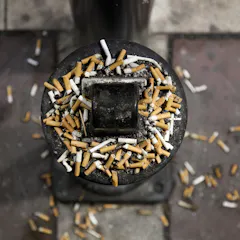
The proposed standard would lower the nicotine content in cigarettes and cigars by 95% – a public health proposal that could prevent millions from becoming smokers in the first place.

Legislation now entering parliament aims to make Aotearoa New Zealand smokefree by 2025. Forecast effects show huge potential health gains, especially for Māori.
Top contributors
-

Emeritus Professor in Public Health, University of Sydney
-
Professor in Public Health, University of Sydney
-
Adjunct Senior Lecturer, Centre for Primary Health Care and Equity, University of New South Wales, UNSW
-
Associate Professor of Health Promotion and Policy, UMass Amherst
-
Director, NHMRC Centre of Research Excellence on Achieving the Tobacco Endgame and ARC Future Fellow, The University of Queensland
-
Research Officer, Research Unit on the Economics of Excisable Products, University of Cape Town
-
Adjunct researcher, University of Tasmania
-
Research Fellow at The Daffodil Centre, University of Sydney
-
Professor in Public Health, University of Otago
-
Associate Professor in Public Health, University of Otago
-
Professor of Public Health, University of Otago
-
Reader in Social Sciences and Health, Cardiff University
-
Associate Professor, Nuffield Department of Primary Care Health Sciences, University of Oxford
-
Professor of Public Health/Director, Tobacco Control Research Group, University of Bath
-
Honorary Fellow, Department of Health Sciences, University of York