
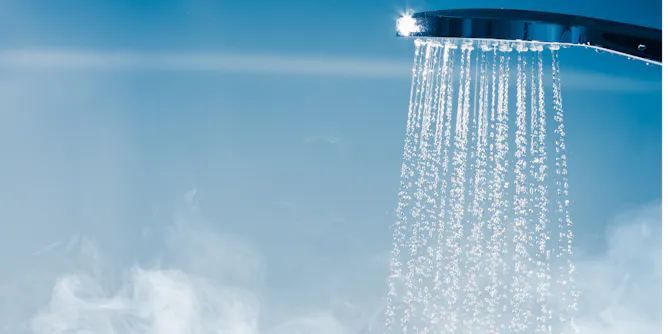
Your electric water heater uses a lot of electricity overnight. Shifting it to soak up solar could be a win-win.
Articles on Solar power
Displaying 61 - 80 of 390 articles
While he hasn’t released an official plan, Trump’s playbook the last time he was in office and his frequent complaints about clean energy offer clues to what’s ahead.

Personal action on climate still has a place – but it works far better with institutional backing
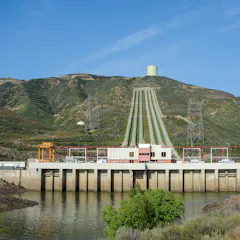
Pumped hydro and batteries can easily provide all the storage needed for 100% renewable electricity generation, eliminating the need for polluting gas power plants.
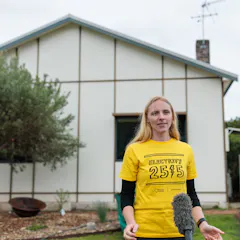
Getting off gas at home is healthier, cheaper and better for the planet. Now the Electrify 2515 community pilot project promises to demonstrate household electrification at scale.
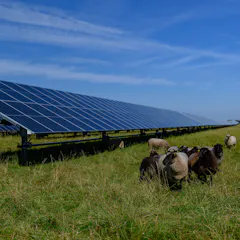
Agrivoltaics, which pairs solar panels with farming, offers a path to decarbonise agriculture. But how do we make it work for crops and energy? A new tool may hold the answer.
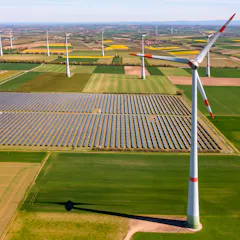
Choosing speed above all else gets clean energy built. But it comes with risks. Which path should Australia take?

Seeing solar around your neighbourhood is a surprisingly large reason you might choose to do the same.
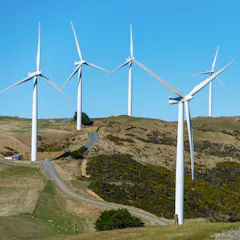
The good news is that New Zealand is on track to meet electricity demand with renewable generation by 2030. The less good news is that winter price spikes are still likely.
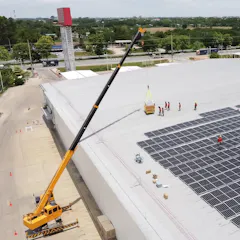
Cities have a large and mostly untapped power source: the rooftops of commercial buildings.

The scale of the challenge of hitting Australia’s renewable energy target points to the need for a more standardised and inclusive approach to sharing the benefits than we have seen so far.
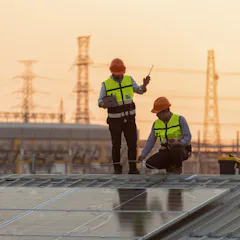
The only way to make nuclear power work in Australia is to unplug cheap renewables. Stop exporting electricity from rooftop solar system. Forget feed-in tarrifs. Everyone use baseload nuclear first.
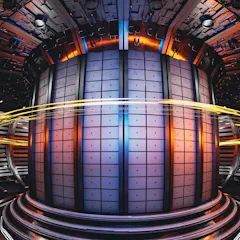
Some processes that support fusion energy fuel climate change and may harm the environment.
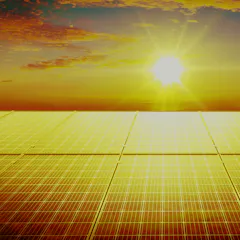
Energy experts – and even Greenpeace – underestimated solar power’s rapid global growth. As this chart shows, solar’s now set to become the world’s biggest power source within the next decade.
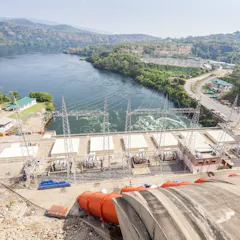
As renewable energy becomes cheaper and climate change affects water availability, the contribution of hydropower will decline.

South Africa’s roadmap to renewable energy has to make sure that electricity will be durable and equitable for all its residents.
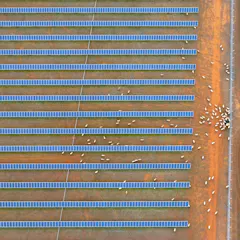
Yes we need land for solar panels, wind farms, batteries, pumped hydro, transmission lines and so on. But the amount of land is surprisingly small, when you do the sums. Here’s why.
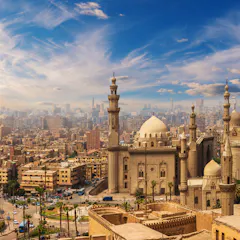
African cities with over 10 million residents are getting hotter fast. Millions face disaster in these urban heat islands unless the cities start greening and adapting to climate change soon.
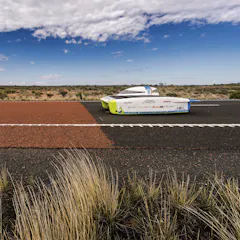
It’s common to see solar panels on rooftops and fields, but they aren’t widespread on cars − yet.

South Africa’s national electricity plan is being finalised. A scientist argues that an energy mix of nuclear, clean coal, renewable energy and gas is urgently needed to end 15 years of power cuts.
Top contributors
-

Professor of Engineering, Australian National University
-
Professor Emeritus, Macquarie Business School, Macquarie University
-
Senior Research Associate, Renewable Energy & Energy Systems Analyst, UNSW
-
Honorary Associate Professor, UNSW
-
Professor of Physics, University of Johannesburg
-
University of Southern Queensland
-
John M. Thompson Chair in Information Technology and Innovation and Professor, Western University
-
Senior Industry Fellow, Environment and Planning, RMIT University
-
Professor of Sustainability, Curtin University
-
Emeritus professor, Australian National University
-
Lecturer in Energy Storage Systems Dynamics, Lancaster University
-
Research Fellow, Stephenson Institute for Renewable Energy, University of Liverpool
-
Professor in International Relations / International Political Economy, UNSW
-
Research Scientist, The University of Texas at Austin
-
Associate Professor, Renewable Energy, Monash University