
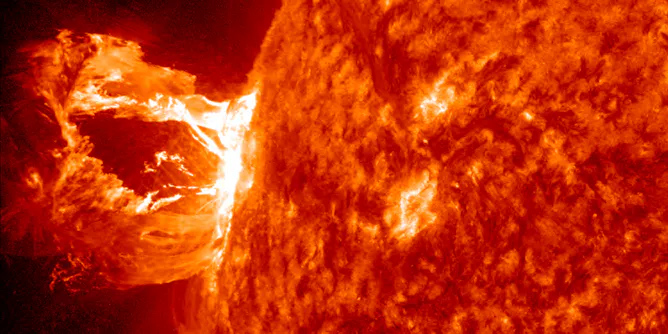
At the end of the day, the problem is that no-one on Earth wants nuclear waste stored near them, and it’s not safe or cost-effective to blast it into space.
Articles on Space Law
Displaying 41 - 60 of 60 articles
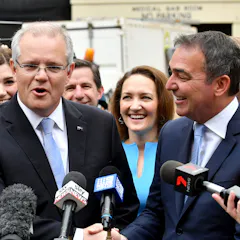
The headquarters of the Australian Space Agency will be in Adelaide. So how did we get to this point? Here are ten essential reads to fill you in.
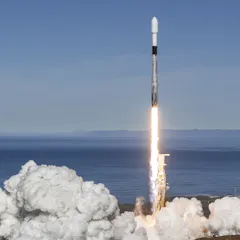
If the Australian space industry is to grow and create thousands of jobs then we need new policy around satellites to meet the challenges involved.
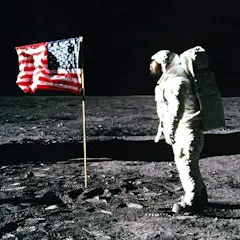
No country can lay claim to sovereignty over a planet, moon or rocky body. But in the absence of clear laws regulating mining in space, it’s a case of first in, best dressed for resource extraction.

A new name on a few military badges doesn’t imply an escalating arms race.

If Ghana is to fully harness the benefits of space technology, it will need space legislation and regulations.
Those who speak of the inevitability of war in space will fuel a race to the bottom, and see even more energy towards an arms race in space.
Trunp’s new policy could lead to the militarisation of outer space and the beginning of a new space arms race.
The Outer Space Treaty has guided global exploration and use of outer space since 1967. Trump’s ‘Space Force’ may not be a good fit.
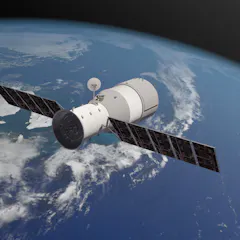
China’s space station Tiangong-1 is about to crash back to Earth any day now. It’s out of control too so no one really knows where it will land. So what if it hits you or your house?
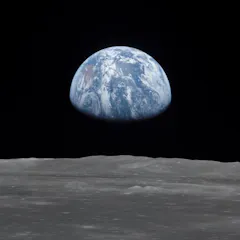
No human has been to the moon since 1972. But India, China and Russia would like to change that, and soon.
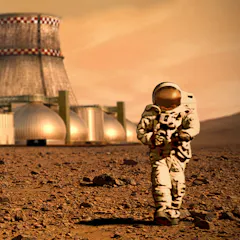
Future Mars colonists may want to form their own legal system. What would stop them?
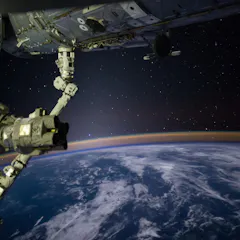
Who is responsible for space debris? What laws should apply to humans living on another planet? Who has rights to mine asteroids? The Outer Space Treaty needs an update to address such questions.
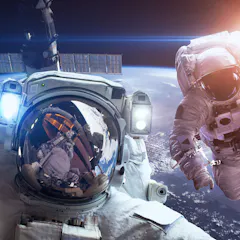
The Outer Space Treaty, now 50 years old, has so far never been violated. But things could be about to change.
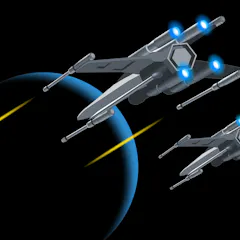
The rules on armed conflict on Earth are a major source of restraint on military operations. But the rules on the use of weapons in outer space are far from clear. We need to change that.
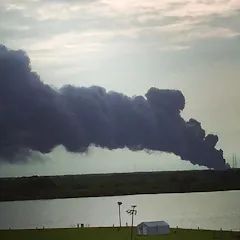
It is unclear how regulated space activities by private companies really are.
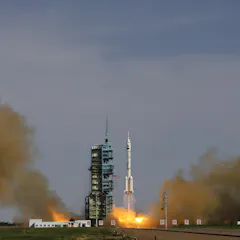
We should welcome the fact that amateur astronomers are increasingly keeping tabs on what’s going on up above.
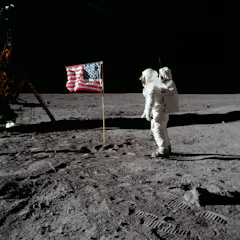
The US has been beaming up free-market principles to outer space for decades. But the new Space Act is a step too far.
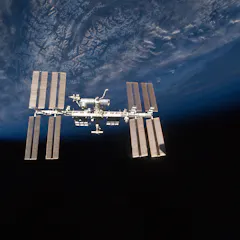
In our efforts to keep peace in space we could learn much from the US-Russian relationship on the International Space Station.
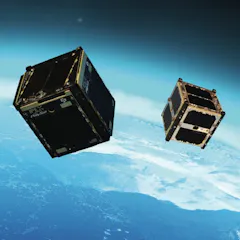
We’re already building satellites that can sit in the palm of your hand. But getting them into orbit can be a challneg, and not only for technical reasons.
Top contributors
-

Emeritus Professor of International Law, Western Sydney University
-
Professor of Air and Space Law, University of Mississippi
-
Professor, Adelaide University
-
Senior Lecturer in Law, University of Waikato
-
Professor of Law, University of Bradford
-
Full Professor, Former Director, Institute of Air and Space Law, McGill University
-
Researcher, Air and Space Law, McGill University; Bond University
-
Assistant Professor of Space and Society, Arizona State University
-
Lecturer in space and military law and strategy, UNSW
-
Professor of Business Law and Ethics, Indiana University
-
Assistant Professor of Space and International Relations, Johns Hopkins University
-
PhD candidate, School of History and Philosophy of Science, University of Sydney
-
Professor of Law, Adelaide University
-
Associate Science Editor & Co-Host of The Conversation Weekly Podcast, The Conversation
-
Podcast host, The Conversation
