

Extreme storm surges can be predicted much faster with high accuracy thanks to a new AI model that helps researchers and practitioners improve coastal flood risk assessment and adaptation planning.
Articles on storm
Displaying all articles

More than 800 lives were lost in the Royal Charter storm but it also led to improvements in weather forecasting.
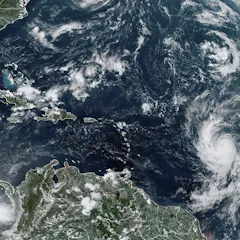
Can Hurricane Fiona give us a hint about what future climate change might bring to Eastern Canada? Unravelling this question could lie in understanding ancient storm records.
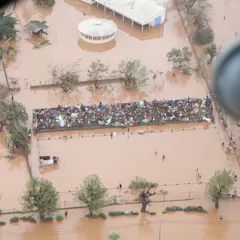
Rising populations and a warming climate mean storm surges from super cyclones are likely to affect increasing numbers of vulnerable people.
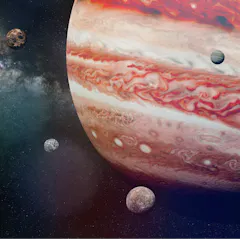
The biggest storm on Jupiter is so big it could swallow all of Earth. But it’s now shrinking, and we’re not sure what that means.
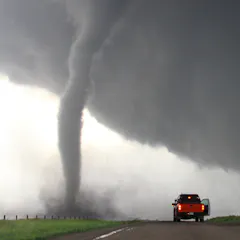
Studies show tornadoes are getting more common and more intense, and they’re shifting eastward to a new tornado hot spot.
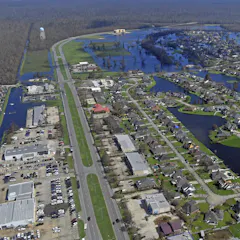
Sixteen years after Hurricane Katrina made landfall, the Category 4 storm Hurricane Ida reached Louisiana. Planning for future hurricanes must include the need to build resiliency to climate change.

In 1887 Queensland’s chief weatherman Clement Wragge began naming tropical cyclones, using names from the Greek alphabet, fabulous beasts and politicians who annoyed him.

It’s hard to believe, but big storms and hurricanes are caused by tiny particles moving around in the atmosphere.
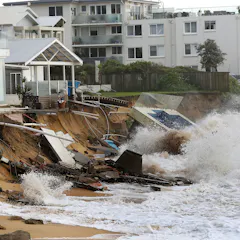
Eastern Australia’s massive storms will likely become rarer in a warmer world, but probably more intense.
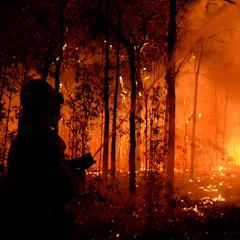
When disaster strikes, more people than ever are turning to social media to find out if they’re in danger. But Australian emergency services need to work together more to learn what works to save lives.

Ten years after Katrina, recovery in New Orleans is mixed – divided in familiar patterns between white and black, rich and poor. The same groups that suffered the brunt of the storm still struggle.
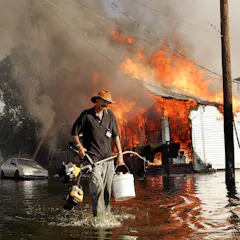
The resurrection of New Orleans is a tale of resiliency, but other American cities must heed lessons learned by the storm or face disaster in the decades ahead.
Top contributors
-

Professor of Law and Justice John J Francis Scholar, Rutgers University - Newark
-
Professor of Public Management and Policy, Georgia State University
-
Assistant Professor of Law, Georgia State University
-
Professor of Digital Communications and Culture, The University of Sydney, University of Sydney
-
Research Scientist, Australian Bureau of Meteorology
-
Assistant Professor of Law and Associate Director of Georgia State’s Center for the Comparative Study of Metropolitan Growth, Georgia State University
-
Professor, Digital Media Research Centre, Queensland University of Technology
-
Professor of Climate Science, University of Bristol
-
Professor Emeritus of Atmospheric Science, Purdue University
-
Senior Research Associate in Geography, University of Bristol
-
Postdoctoral Researcher in Climate Risk Analytics, University of Bristol
-
Honorary Research Associate in Climate Science, University of Bristol
-
Weather Services Manager, Queensland, Australian Bureau of Meteorology
-
Associate Professor of Disaster and Emergency Management, York University, Canada
-
PhD student, Department of Geography, Planning and Environment, Concordia University