
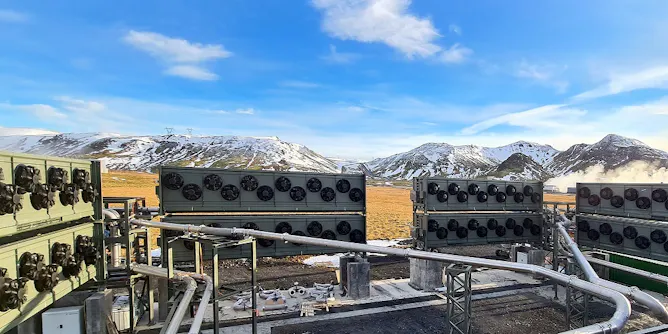
A climate scientist looks at what works and some popular ideas that aren’t as cheap or effective as people hope.
Articles on Wind power
Displaying 81 - 100 of 227 articles
Sometimes wind and solar power produce more electricity than the local grid can handle. Better energy storage and transmission could move extra energy to where it’s needed instead of shutting it off.
The road map for a more sustainable future starts with clean energy and fossil-fuel-free transportation.
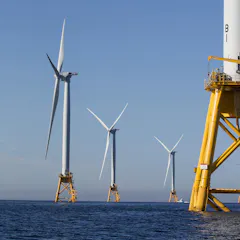
The regionalism that fuels the Red Sox-Yankees rivalry is also found in U.S. attitudes about energy production, a new study shows. That could have repercussions for the renewable energy transition.
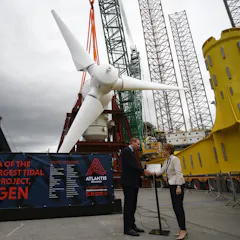
A tidal energy expert explains why tidal power hasn’t delivered on its potential yet - and why that’s soon to change.
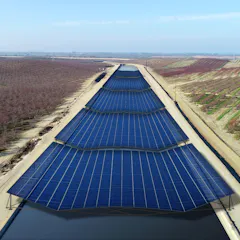
From pulling carbon dioxide out of the air to turning water into fuel, innovators are developing new technologies and pairing existing ones to help slow global warming.
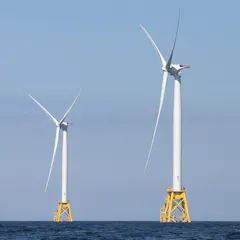
Wind turbines often can produce more power than is needed for electricity onshore. That extra energy could be put to work capturing and storing carbon.
Providing government subsidies for emerging clean technologies could unlock their transformative potential.
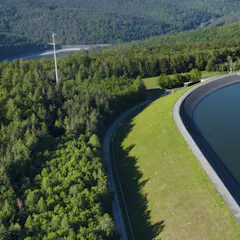
A team of researchers found 35,000 pairs of existing reservoirs, lakes and old mines in the US that could be turned into long-term energy storage – and they don’t need dams on rivers.
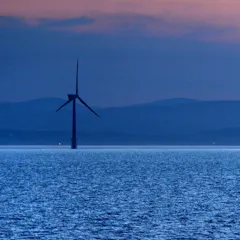
The coming year will reveal if the country is serious about developing its wind energy.
Calm and cloudy days led to a resurgence in fossil fuel use.
Millions of years of on-off ice ages have left behind a mix of different sediments.

Subsidies could help kickstart cost cutting and innovation in this prohibitively expensive industry.
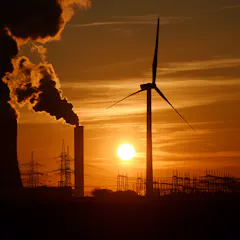
Clean energy innovation, giving up coal, cutting methane and getting China and India on board for net-zero can deliver progress at COP26.
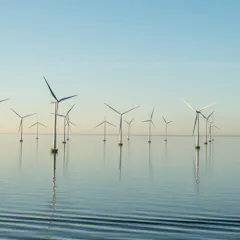
‘Wind droughts’ are extreme weather events too – and we need to plan for them.

The UK prime minister has been setting out ambitions to be a world leader in the coming hydrogen economy.

Offshore renewable energy installations could provide so much more than just clean electricity.
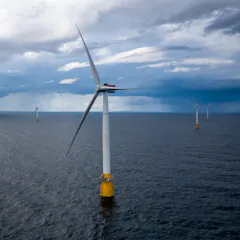
Some of the most powerful offshore wind is over water too deep for a standard wind turbine. Engineers found a way around the problem.
More than six in ten Australians – 63% – support a ban on new coal mines opening in Australia, according to the Lowy Institute’s Climate Poll 2021.

Ethiopia, Sudan, Egypt and their neighbours could deploy large-scale solar and wind farms, connected by a regionally integrated power grid.
Top contributors
-

Professor of Engineering, Australian National University
-
Emeritus Professor in Public Health, University of Sydney
-
Research Fellow, ANU College of Engineering and Computer Science, Australian National University
-
Senior Research Associate, Renewable Energy & Energy Systems Analyst, UNSW
-
Distinguished Professor of Industrial Engineering and Faculty Director of The Energy Transition Institute, UMass Amherst
-
Professor of Mechanical Engineering, UMass Amherst
-
Professor of Physics, University of Johannesburg
-
Honorary Associate Professor, UNSW
-
Professor of Civil and Environmental Engineering, Rice University
-
Senior Research Fellow in Renewable Energy, Australian National University
-
Professor Emeritus, Macquarie Business School, Macquarie University
-
Senior Fellow in Energy and Climate Change, Grattan Institute
-
University of Southern Queensland
-
PhD candidate in psychological medicine, University of Auckland, Waipapa Taumata Rau
-
Professor of Sustainability, Rochester Institute of Technology