
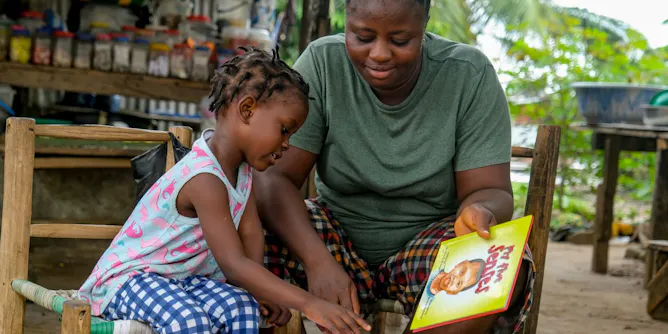
Reading together and taking an interest in homework makes a difference to young children’s learning.
Articles on Women and children
Displaying all articles
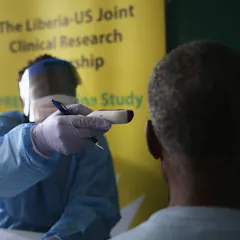
10 years after official end of the Ebola pandemic, very few people know that survivors have struggled to continue with their lives.
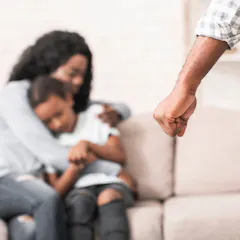
Women were often imprisoned with their abusers, making it nearly impossible to escape.
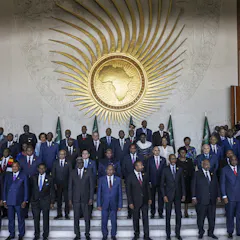
Some African nations are strengthening their democracy, while most are stuck in a dangerously authoritarian spiral.

Women already facing structural inequalities are most affected by a lack of child support.

In Women and Children, Tony Birch is unequivocal about domestic violence: when everyone knows someone is in trouble, there is a collective duty to do something about it.

One in three women has experienced physical violence since age 15; the figure for sexual violence is one in five. A woman is killed by a current or former intimate partner every ten days
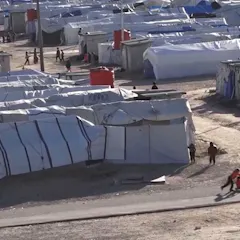
It has taken Australia far too long to return its citizens from hellish refugee camps in Syria – and treating people well will create far less risk to the country than leaving them there.

The Nigerian military needs a systemic approach to solving family disruptions and strains often caused by personnel deployment away from home.

The health and wellbeing effects will go beyond the direct impact of war-related fatalities, and are likely to last for years after peace is fully restored.

To support precarious households that can’t access existing relief during lockdown and its aftermath, the government should implement a temporary increase in the value of the child support grant.
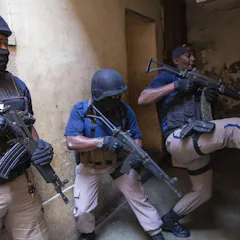
President Ramaphosa’s emphasis on fighting crime is well placed. Most categories of violent crimes have risen dramatically over the past eight years.

Research shows that abuse, violence and poor relationships in families may have dire consequences for society, and specifically children.

Book adds a great deal to our understanding of how children were ensnared into the Indian Ocean slave trade.
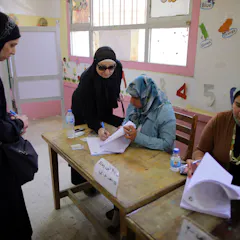
Opening up positions of political power to women will lead to effective and better implemented development policies.

If women don’t have access to quality emergency surgery, they can develop dibilitating complications such as fistula.
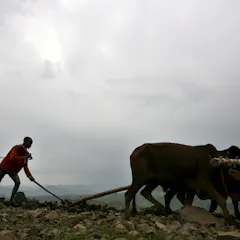
Despite all Ethiopia’s Abiy Ahmed’s inspirational reforms, there can be no progress without the rural majority.
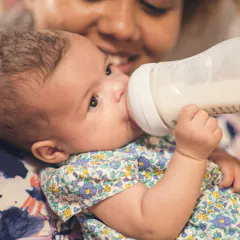
Health workers promote exclusive breastfeeding to HIV positive mothers more than they do to mothers who are negative.
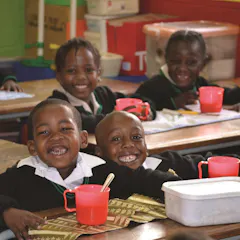
South African learners receiving two meals, despite being from arguably poorer backgrounds, had statistically significantly lower stunting levels than children receiving only one meal.
Top contributors
-

DSTI/NRF Research Chair in Welfare and Social Development, University of Johannesburg
-
Director, Centre for Human Rights Education, Curtin University
-
Research Fellow at the International Development Department, University of Birmingham
-
Researcher in Social Development, University of Johannesburg
-
Senior Lecturer, University of the Witwatersrand
-
Chair in Global Islamic Politics, Alfred Deakin Institute for Citizenship and Globalisation, Deakin University
-
UCT Chair in Poverty and Inequality Research; Director of ARUA's African Centre of Excellence for Inequality Resaearch with the Southern Africa Labour and Development Research Unit., University of Cape Town
-
Professor of Sociology (Criminology, Victimology and Security Studies), University of Ibadan
-
Professor, University of Cape Town
-
Lecturer in World Literature (including Australian literature), The University of Melbourne
-
Professorial Fellow, University of Canberra
-
Postdoctoral Fellow Global Health, University of California Global Health Institute (UCGHI), Makerere University
-
Assistant Professor of Public Health, Mekelle University; Scientia PhD scholar, George Institute for Global Health, UNSW
-
Senior lecturer, University of Ghana
-
DPhil candidate, International Development, University of Oxford