
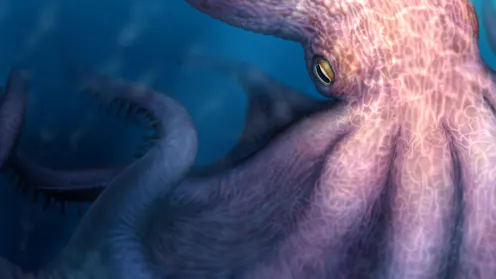
A newly discovered fossil suggests octopuses up to 19 metres long may have hunted in Cretaceous seas.
Science + Tech – Articles, Analysis, Comment
Displaying 326 - 350 of 7006 articles
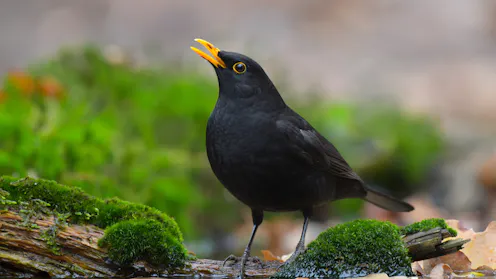
And what it reveals about local ecosystems.

The robot, called Ace, held its own against elite players of the sport.
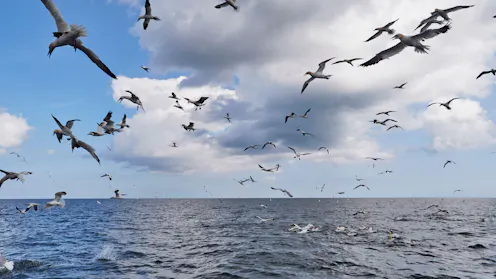
Birds didn’t just evolve from dinosaurs. They are dinosaurs.
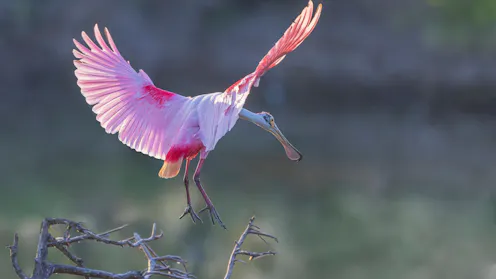
Dinosaur wings seem to have originally been used not to fly but to attract a mate.
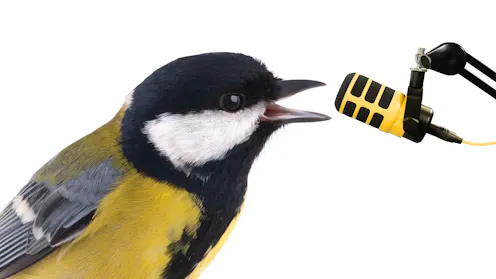
Do the birds singing in your garden or local park remind you of a musician?

Research suggests there may be ways to reduce the climate impact of flights by addressing the white trails they leave behind.
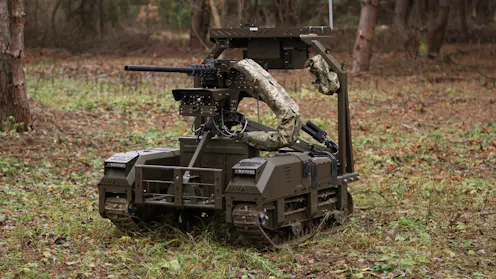
The recent capture of a Russian position using ground robots is a milestone for the use of machines in warfare.

Your brain doesn’t run out of space – it runs out of attention. The science of why two people can live the same moment and remember it very differently.
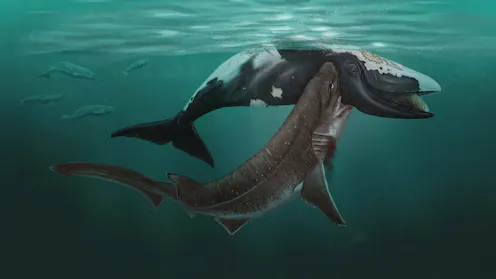
Could new populations of seals and porpoises attract the descendants of some of the large shark species that were thriving in this region 4-5 million years ago?

Independent tests suggest Mythos Preview is a major leap forward in the ability of AI to act as a truly autonomous agent.

We have probably all had the experience of lying awake in bed, our mind turning, unable to sleep.

Consumers in some countries are already being offered free electricity when renewables bring in extra power.

Working on human pus in a medieval castle, Miescher discovered a substance that would eventually unlock our understanding of how life works.

The first piece of ransomware was sent it out on 20,0000 floppy discs in 1989, to raise awareness of health- rather than cyber-hygiene.
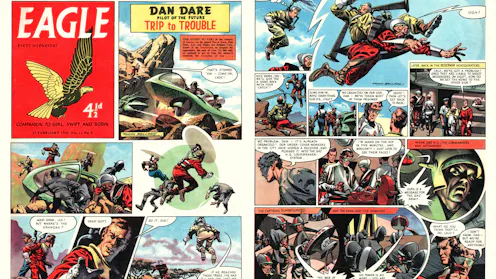
The comic’s accuracy has inspired fans like Stephen Hawking to pursue a career in science.

Endangered species are making their home in a massive wild zone around the derelict Chernobyl nuclear plant.
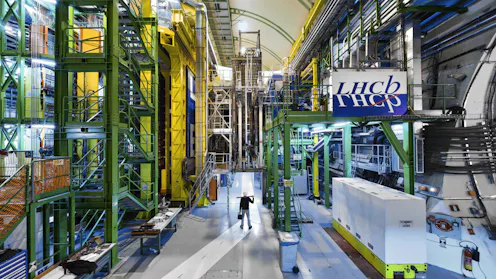
The behaviour of sub-atomic particles in the LHC seems to disagree with the Standard Model.
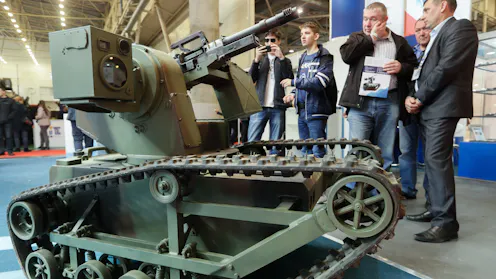
Robots have a growing role on the battlefield – but for the immediate future, they are more likely to support the fight than lead it.
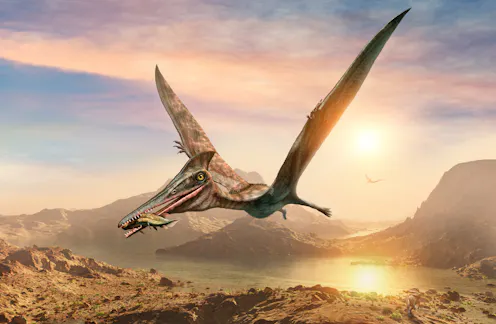
The case of a ‘fishy pterosaur’ is the latest example of mistaken identity involving these extraordinary flying reptiles.

Research has shown that children who are emotionally stable, motivated and capable of controlling their impulses do better at school.

Iran is drawing on a characteristic of money that has been around since at least the bronze age: enabling trade between strangers and across political boundaries.

Apps, computer games and digital cameras are helping people discover more special space occasions.

Animals won’t always express pain in the way we expect.
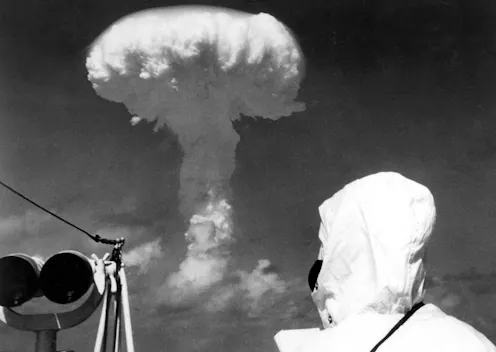
Communities and servicemen have long argued they were harmed by fallout from above-ground nuclear weapons tests – but the UK government has always denied this.