
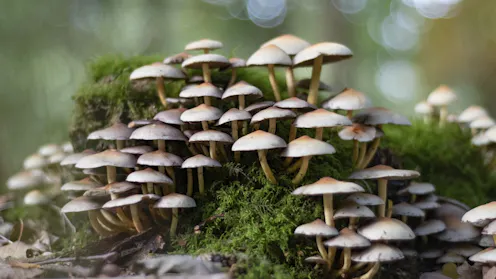
Some fungi are having an abundant year, but other types are struggling because of dry summer weather.
Science + Tech – Articles, Analysis, Comment
Displaying 26 - 50 of 7009 articles

The hackers compromised a laptop belonging to an IT engineer, according to Binance.
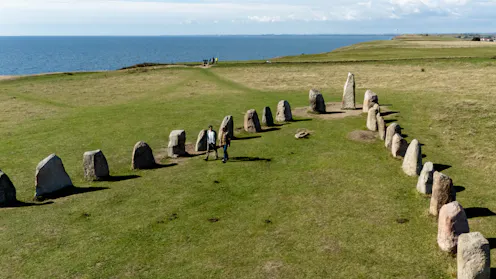
The findings are based on analysis of DNA from thousands of prehistoric human remains from Europe.

In an age where AI can create an image of everything and anything, verifying the truth is becoming much harder.

The AI agents do not truly experience friendship, but their exchanges are coherent and resemble the way humans correspond.

On Gulliver’s third travel he meets the Projectors who have come up with a device that is surprisingly similar to our modern large language models.

The small size of some stone-age arrow heads from Denmark suggest they were used together with poisons.

Binance now says it has restored about 95% of the stolen assets using various funds.
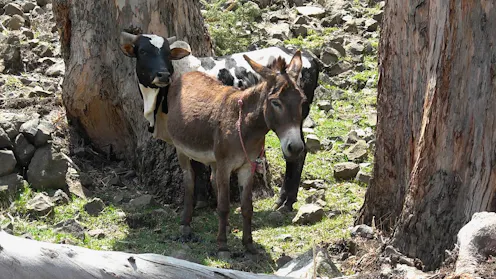
Same-sex behaviour is common in animals, but a bull and a male donkey in Ethiopia are an unusual pair. What might they tell us about sex in nature?
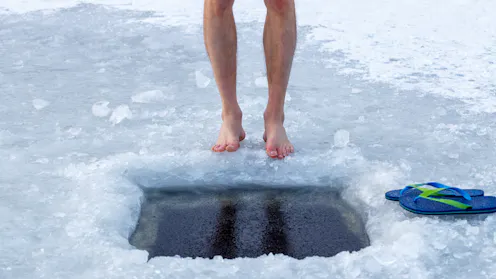
Pain feels immediate, but our brains draw on past experiences to interpret bodily signals. This may help explain why pain can persist after an injury heals.
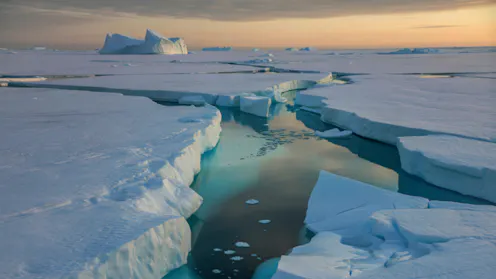
It looks as though Antarctica’s conditions have allowed unique microbial communities to develop.

Medieval writings show that monks were early ecologists, caring for the land, and using plants for food and medicines.

Different types of light are used to switch the tattoos on and off.
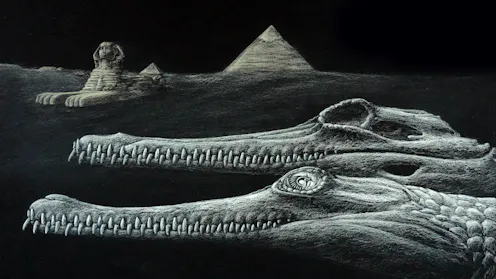
New technology is helping to identify extinct fossil species.

Someone with narcissistic traits will react strongly to content that matches their self-image.
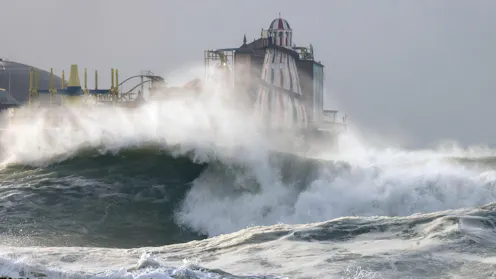
A dry winter could have a huge impact on England’s ability to recover from drought.
Recent reports have highlighted the risks of relying on foreign suppliers.
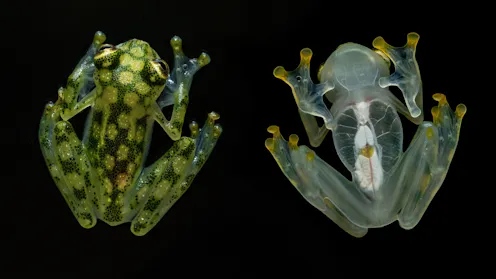
They have creepy tendencies but these animals are real not fictional.

A new method reveals the skewed shape of a distant planet’s atmosphere.
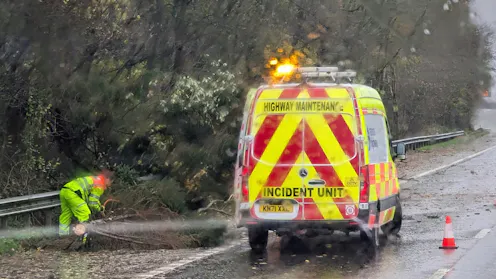
New types of drones are being tested that can collect air pressure data more often.
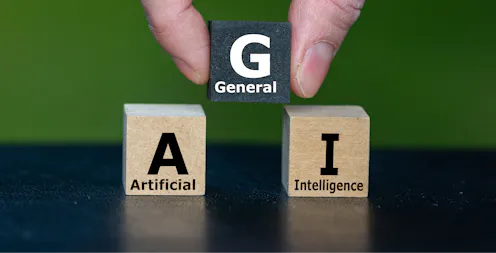
There has been a vigorous debate over how to recognise the threshold when it is reached.
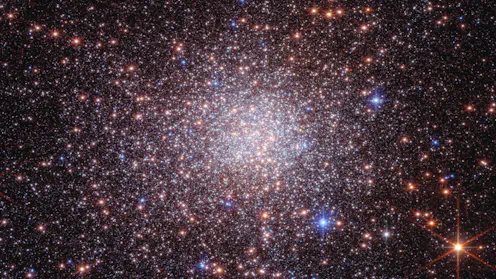
The hydrogen atom: the universe built almost everything with it. Synthetic chemists are only just learning to use it in the lab.
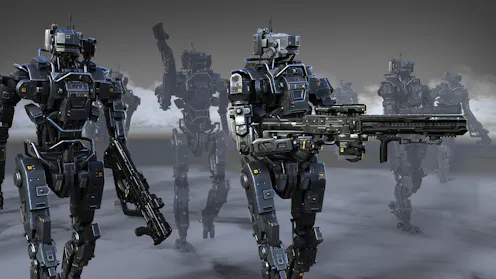
Militaries around the world are testing the newest generation of machines.
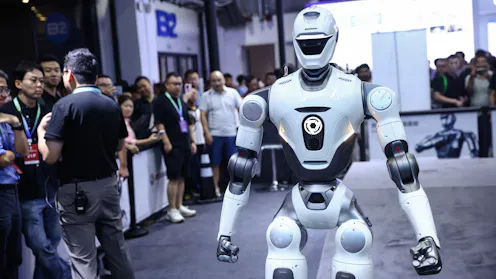
A key threat is the loss of control by AI developers over their creations.

By simply doing less, we can promote habitat complexity and help increase species diversity.