

You might be surprised by how many researchers who went on to make important contributions considered whether animals could have telepathy.
Science + Tech – Articles, Analysis, Comment
Displaying 151 - 175 of 7006 articles
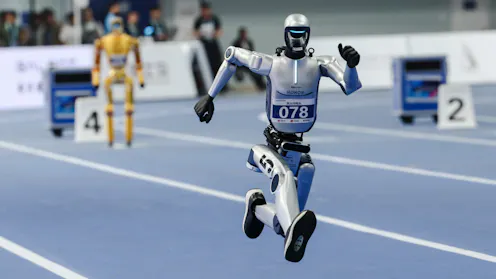
A robot may resemble a person, but it does not experience sport in the way humans
do.

We treat tech overuse like drug addiction, but smartphones – like sugar – are everywhere, making complete avoidance unrealistic.

There is not only one way to learn to read, as people who are deaf, blind or dyslexic demonstrate.

Around 20% of adults procrastinate regularly. Yet a lot of what we hear about this common behaviour is wrong.

The development could allow research teams with limited resources to manufacture graphene.

AI could speed up some police work, but trusting it with evidence raises difficult questions about accuracy, accountability and justice.

Connected devices could expose more data than parents expect.

The 1986 science fiction thriller features everything from robotic exoskeletons to terraforming.

More northern Europeans are thinking about adding air conditioning. But there’s a lot to consider before making a decision.

Two Denisovan leg bones from Taiwan came from tall individuals. But we can’t generalise to a whole species just yet.
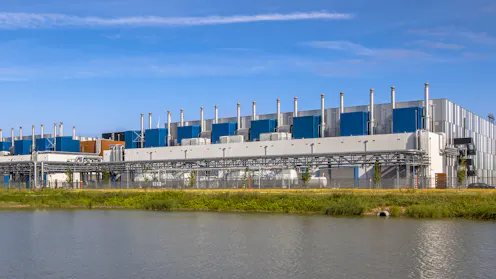
Piping water into the server halls could be a much more efficient way to remove waste heat.

The new machine works in a different way to many other quantum devices.
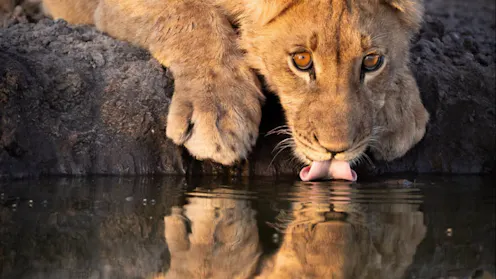
The species most at risk may not always be the ones we expect.

In 1838, a London estate agent began advertising its ‘cosmorama’ to rich clients seeking expensive estates.

Biological sex isn’t always simple.
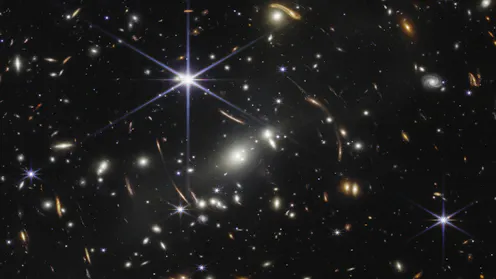
A recent paper claimed that dark energy might not exist. But new research suggests this conclusion was premature.
How my understanding of the night sky was transformed by observing stars with a hi-tech telescope.
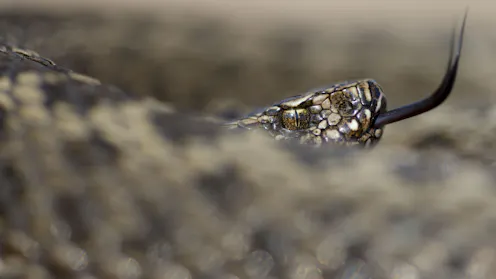
A new study of European vipers challenges the idea that snakes use venom to inflict pain on predators.

Due to its location at the foothills of the Theban mountain, the monuments in this necropolis are extremely vulnerable to flash flooding.
From AI models to synthetic DNA screening and outbreak surveillance, there are several points where emerging biological risks could be reduced.
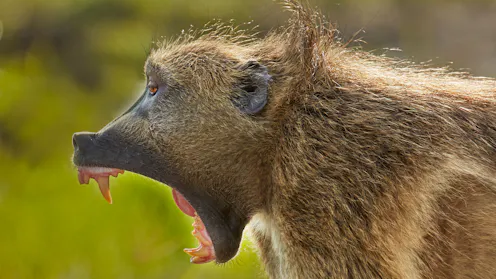
Humans aren’t the only ones to preempt conflict.
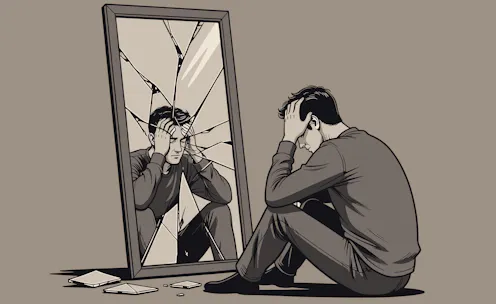
New research shows experiences of adversity are linked with stronger perceptions of injustice – and a greater tendency to believe in conspiracy theories.
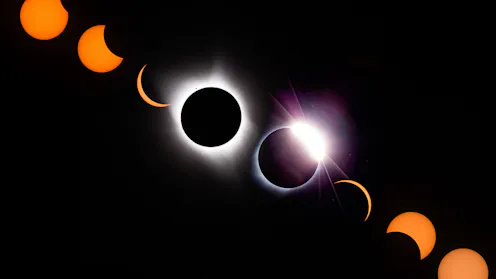
A solar eclipse’s appearance is wrapped up in the geometry of the bodies involved.
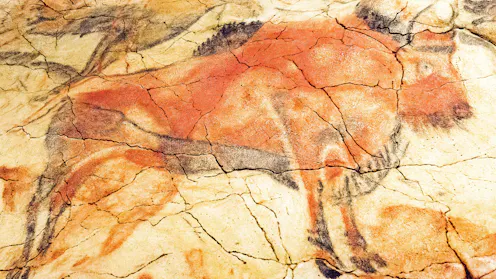
A new study has retrieved human genetic material from the walls of caves with ancient rock art.