

This year, decisions from the courts, FDA or DOJ could all shut down telehealth for medication abortion, which is how most people in states with bans get care.
Articles on Reproductive health care
Displaying all articles

Sometimes, women who want a freebirth are aware of the risks. But some feel this is their only option.

First Choice, the crisis pregnancy center chain that brought the case, argued that merely issuing a subpoena can deter donors from making a gift.

The ruling limits the rights of Medicaid patients to choose their own health care provider. It could have consequences far beyond South Carolina.

Women’s stories of seeking abortions later in pregnancy highlight what’s missing from the current conversation about abortion policies in the US.
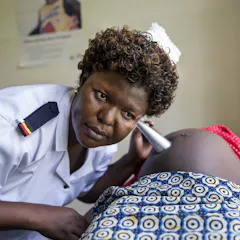
Research indicates that pre-eclampsia has a genetic basis. African women are at greater risk than other population groups.

The court’s decision on whether Medicaid patients can choose their own health care provider could have consequences far beyond South Carolina.

Black and Hispanic women are less likely to receive an endometriosis diagnosis, reflecting a possible systemic bias or disparity in health care access.

Many are living with the burden of endometriosis and not receiving treatments that could improve their quality of life. So what might pelvic health physio involve?

The 2022 Dobbs decision that overturned 50 years of abortion rights is affecting where young people choose to go to college, to work and to live, as well as the way they vote.

The opinion did not take on the substance of the plaintiffs’ claims against mifepristone, and the abortion pill is already facing other challenges.

The implications of restrictive laws or near-total bans go well beyond abortions, reducing overall access to prenatal care, birthing services, routine reproductive health care and more.

In the past, when courts considered disputes over what to do with no-longer-wanted embryos, they typically considered them property. The Alabama ruling challenges this legal precedent.

New federal pharmacare legislation is an important opportunity to give all Canadian women access to effective contraception and realize the right to reproductive health.

With the approval of the first over-the-counter oral contraceptive, pharmacists stand to play an ever-increasing role in helping expand access to reproductive health care in the post-Roe era.

By offering abortion care benefits and policies, employers can serve as a “firewall” to protect against harmful legislation — but only if these benefits are easily accessible and de-stigmatized.

A parliamentary inquiry recommends all Australian public hospitals provide abortions or timely and affordable pathways to other local providers. Why don’t hospitals already do this?

Some states already allow pharmacists to provide birth control to patients with a prescription. But FDA approval of an over-the-counter birth control pill could greatly expand access.

25 states aren’t expected to ban abortion if the Supreme Court overturns Roe v. Wade. But limits on abortion in these places, too, make it an uncertain refuge for people seeking abortions elsewhere.
Top contributors
-

Professor of Law, University of Virginia
-
Professor of Law, George Washington University
-
Associate Professor of Health Policy and Management, University of Pittsburgh
-
Associate Professor of Pharmacy and Therapeutics, University of Pittsburgh
-
PhD Student, Organizational Behaviour and Human Resource Management, Telfer School of Management, L’Université d’Ottawa/University of Ottawa
-
Associate Professor of Nursing, University of Colorado Anschutz
-
Clinical Associate Professor in Health Policy, Arizona State University
-
Professor of Law, Penn State
-
Director, SPHERE NHMRC Centre of Research Excellence in Women's Sexual and Reproductive Health in Primary Care and Professor and Head of the Department of General Practice, Monash University
-
Associate Professor, Organizational Behaviour and Human Resource Management, L’Université d’Ottawa/University of Ottawa
-
Assistant Professor of Organizational Management, Cape Breton University
-
Associate Professor of Health Behavior and Biological Sciences, University of Michigan
-
Associate Professor in Physiotherapy, University of Technology Sydney
-
Visiting Professor of Physiotherapy, University of Technology Sydney
-
Researcher in Women’s Health, Yale University